Best Estate Hotel Options: An Authoritative Guide to Heritage & Modern Estates
The contemporary hospitality landscape has seen a marked pivot away from standardized luxury towers toward the sprawling, narrative-rich environment of the managed estate. An estate hotel is not merely a lodging facility set upon large acreage; it is a complex intersection of historic preservation, agricultural management, and high-utility hospitality infrastructure. As travelers increasingly seek “disconnection through immersion,” the estate model provides a proprietary sense of place that urban or resort-style developments cannot replicate. This evolution reflects a broader cultural desire for permanence and stewardship over the transient nature of modern commercial travel.
To analyze these properties requires a sophisticated understanding of spatial hierarchy and land-use economics. Unlike a traditional hotel, where the guest experience is contained within a singular building envelope, the estate model distributes the guest journey across a varied landscape. This might include a primary manor house, converted agrarian structures, and purpose-built modernist villas. The logistical challenge lies in maintaining a seamless “service ribbon” across these disparate points while ensuring the natural or historic character of the land remains undisturbed.
This article serves as a definitive reference for understanding the structural and operational frameworks that define the highest tier of these properties. By examining the systemic evolution of the estate model—from its origins as a private seat of power to its current status as a diverse hospitality asset—we can identify the markers of true topical authority. Whether exploring a vineyard in the rolling hills of the Piedmont or a forested retreat in the American West, the underlying principles of estate management remain consistent: privacy, utility, and a profound respect for the “genius loci,” or the spirit of the place.
Understanding best estate hotel options
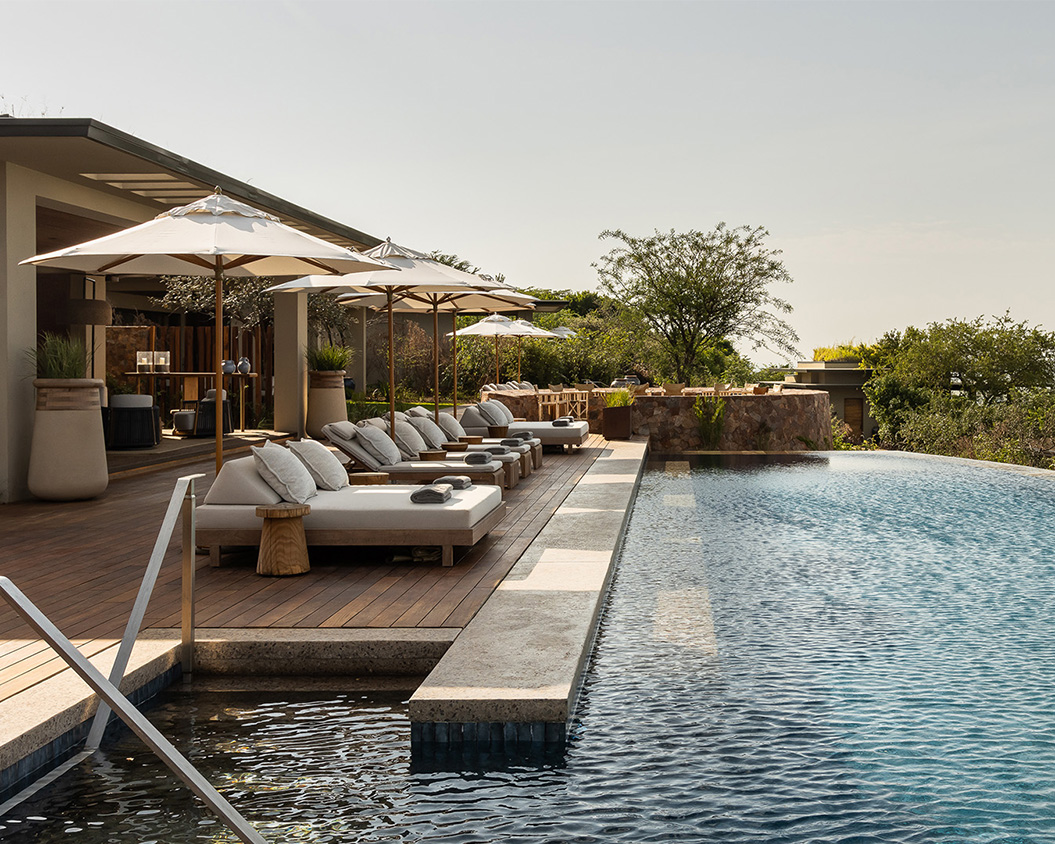
When evaluating the best estate hotel options, one must move beyond the superficial metrics of star ratings and room counts. A “best” designation in this niche is reserved for properties that master the “spatial paradox”: providing the guest with a sense of total isolation while simultaneously offering the high-frequency service of a metropolitan five-star hotel. This involves a rigorous commitment to “Low Density, High Utility” design, where the infrastructure is expansive enough to feel private but efficient enough to be managed by a localized staff.
A common misunderstanding in this sector is the conflation of an “estate” with a “resort.” A resort is an enclosed ecosystem designed for high-throughput recreation; an estate is a managed landscape where hospitality is often secondary to the land’s primary function, such as viticulture, forestry, or equine management. Oversimplification risks arise when travelers expect the rigid, scheduled environment of a resort within the more fluid, organic operations of an estate. The “best” options are those that manage this friction invisibly, ensuring that the working aspects of the land enhance rather than disrupt the guest’s stay.
From a multi-perspective explanation, an estate hotel is a “living archive.” For the architect, it is a challenge of adaptive reuse. the operator, it is a logistical puzzle of movement and timing. For the guest, it is a psychological sanctuary. A flagship property succeeds by aligning these perspectives, ensuring that the historical narrative of the primary residence informs the modern amenities of the guest villas. It is the architectural equivalent of a deep-tissue massage—structured, intense, but ultimately restorative.
Deep Contextual Background: The Systemic Evolution
The estate hotel model originates from the European tradition of the “Great House,” where the nobility hosted guests as an act of political and social currency. These properties were never intended to be commercial; they were self-sustaining engines of production where hospitality was a byproduct of wealth. The American adaptation of this model began in the late 19th century with the “Gilded Age” cottages of Newport and the “Great Camps” of the Adirondacks, which introduced the concept of the “seasonal retreat” to the industrial elite.
The systemic shift toward the modern commercial estate began in the post-war era of the 20th century. As the costs of maintaining 10,000-square-foot manors and 500-acre landscapes became prohibitive for private families, many were sold to hospitality groups. The early iterations of these hotels were often flawed, attempting to fit modern commercial kitchens and fire-suppression systems into historic envelopes that were never designed for them. This led to a period of “compromised luxury,” where guests tolerated squeaky floors and inconsistent heating in exchange for the “prestige” of the setting.
Today, we are in the era of the “Integrated Landscape.” Modern engineering and modular construction allow developers to build high-performance lodging that “touches the earth lightly.” We see a movement toward “re-wilding,” where estates that were once monoculture farms are being returned to native forests or wetlands, with hospitality serving as the financial engine for this ecological restoration. The “best” options now prioritize this “regenerative luxury,” where the guest’s presence actively contributes to the health of the ecosystem.
Conceptual Frameworks and Mental Models
To understand the mechanics of a high-tier estate, we utilize several mental models:
-
The Hub-and-Spoke Service Model: This framework places the “Back-of-House” operations in a central, invisible hub, with “service spokes” reaching out to remote villas. The challenge is the “time-to-guest” variable—ensuring that a request for a bottle of wine doesn’t take 20 minutes to travel across a 40-acre orchard.
-
The Narrative Anchor: Every estate must have an “anchor”—a historic building, a specific grove of trees, or a unique geological feature—that dictates the architectural vernacular of all other structures. If the anchor is a 17th-century stone barn, the new spa must utilize materials that speak to that stone, even if the design is modernist.
-
The Atmospheric Boundary Layer: This model measures the psychological distance between the public world and the guest’s private zone. A successful estate uses topography (hills, valleys) and flora (hedgerows, forests) to create “sound and sight shadows,” ensuring that a guest never sees or hears another party unless they choose to enter a communal space.
Key Categories and Strategic Trade-offs
The diversity of geography and history creates several distinct categories of estate hotels, each requiring a different operational logic.
| Category | Primary Asset | Strategic Trade-off | Ideal Landscape |
| The Viticultural Estate | Working vineyard/winery. | Seasonal noise (harvest); pesticide/machinery management. | Napa, Tuscany, Piedmont. |
| The Forest/Wilderness Estate | Deep canopy immersion. | High fire risk; logistical difficulty (remote access). | PNW, Catskills, Rockies. |
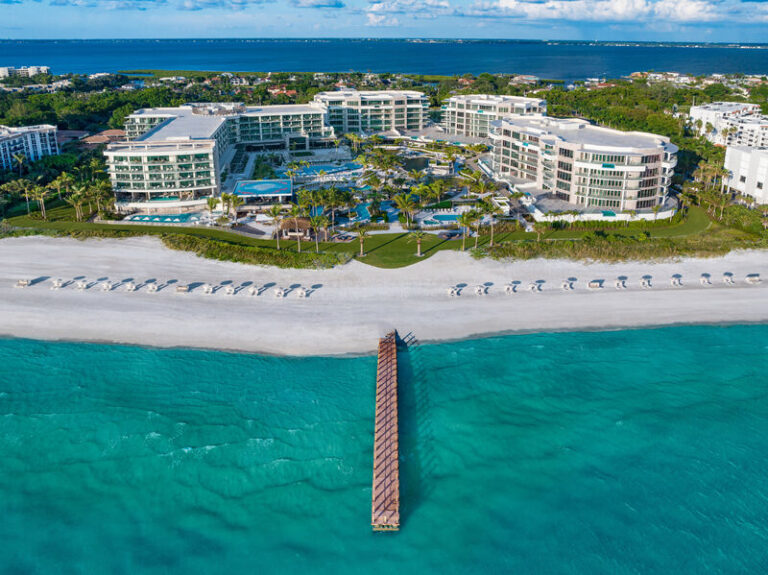
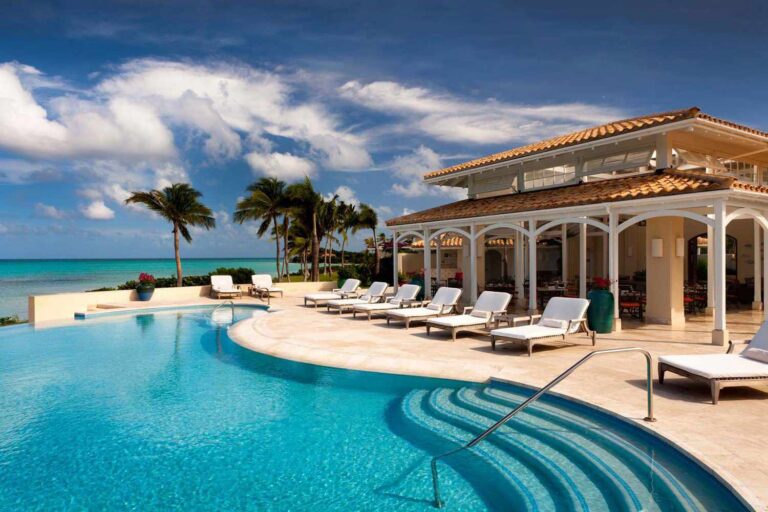
| The Coastal/Maritime Estate | Waterfront/private beach. | High salt-air maintenance; seasonal storm vulnerability. | Amalfi Coast, New England. |
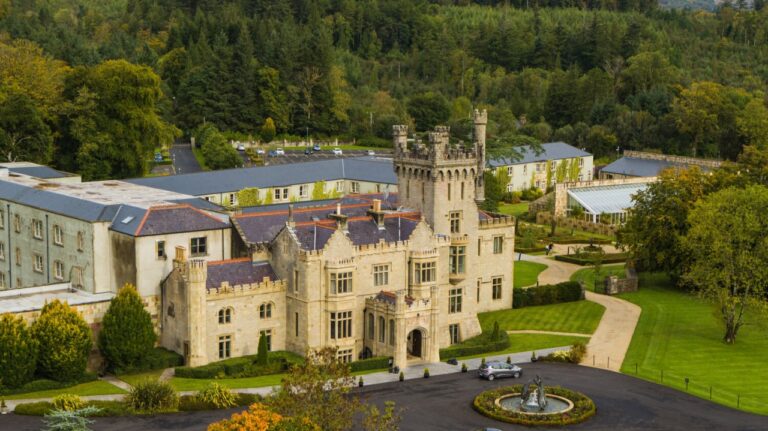
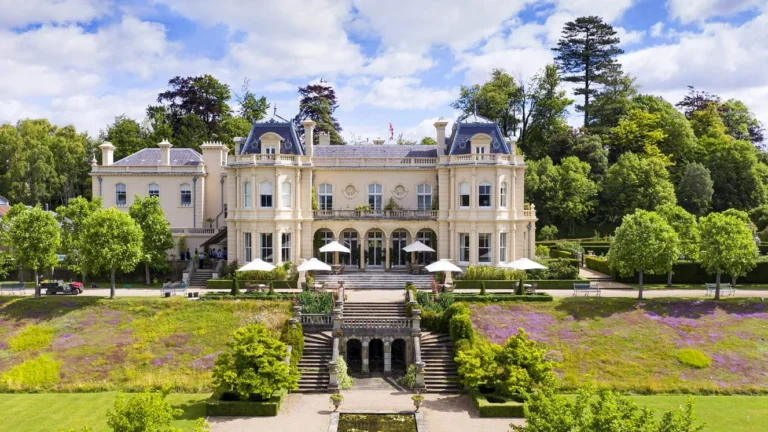
| The Heritage Manor | Single historic Great House. | Rigid layout; limited modern plumbing/accessibility. | UK, Ireland, France. |
| The Equine Estate | Stables and riding trails. | Odor management; high liability/insurance costs. | Kentucky, Virginia, Argentina. |
The decision logic for a guest choosing among the best estate hotel options hinges on the “Level of Engagement.” Does the guest want to participate in the working life of the estate (e.g., helping with the harvest), or do they want the landscape to serve merely as a silent, aesthetic backdrop?
Detailed Real-World Scenarios and Operational Constraints
Scenario A: The “Invisible” Infrastructure Upgrade
A 19th-century estate in Virginia decides to add a high-end spa.
-
Constraint: The local historic commission forbids any new structures that are visible from the main driveway.
-
Decision Point: Does the developer build a subterranean facility or utilize a “ruin-style” design that mimics an old garden wall?
-
Failure Mode: Building a modern glass box that clashes with the Federal-style manor, leading to a loss of “narrative authority” and guest complaints about the lack of aesthetic cohesion.
Scenario B: The Harvest Conflict
A luxury vineyard estate in California is at peak occupancy during the harvest season.
-
Constraint: Harvesters must operate at 3:00 AM when temperatures are low to preserve grape quality.
-
Second-Order Effect: The sound of tractors and floodlights wakes up guests who paid $2,500 a night for “tranquility.”
-
Resolution: The plan must include “Buffer Planting” and specialized glazing for guest suites, or a tiered pricing model that acknowledges the “living farm” reality of the season.
Planning, Cost, and Resource Dynamics
The financial profile of an estate hotel is dominated by the “Landscape Maintenance Burden.” Unlike a city hotel where the costs are mostly labor and utilities, an estate must fund the constant care of acreage that does not directly produce revenue.
| Cost Component | Range (Annual/Est.) | Drivers |
| Landscape/Forestry | $250k – $1M+ | Acreage, invasive species, irrigation needs. |
| Heritage Maintenance | $100k – $500k | Specialist masonry, historic roofing materials. |
| Security & Privacy | $150k – $400k | Perimeter tech, night-watch staff, gate management. |
| Logistical Fleet | $50k – $150k | Electric buggies, heavy farm equipment, maintenance vans. |
The opportunity cost here is “Alternative Land Use.” By dedicating land to a “buffer zone” for guest privacy, the estate loses out on potential agricultural yield or the ability to build more rooms. This is why the “best” options have such high nightly rates—you are paying for the absence of development.
Tools, Strategies, and Support Systems
Operating at this level requires a specialized “Estate Technical Stack”:
-
Acoustic Mapping: Using software to identify how sound travels across the valley, allowing for the placement of noisy equipment (generators, laundry) in “dead zones.”
-
Subterranean Utilities: Running all power, water, and fiber-optic lines underground to avoid the “visual noise” of poles and wires.
-
Low-Impact Lighting: Utilizing warm-spectrum, downward-facing LEDs that preserve “Dark Sky” status, allowing guests to see the stars as they would have 200 years ago.
-
Biodiversity Monitoring: Tracking local flora and fauna to ensure the “managed landscape” remains a functional ecosystem.
-
Smart Irrigation: Leveraging soil-moisture sensors to maintain the “luxury lawn” without wasting water in drought-prone regions.
-
Localized Staff Housing: Providing high-tier on-site housing for the “core” team, ensuring that in remote estates, the service level doesn’t drop due to commute fatigue.
Risk Landscape and Failure Modes
The primary risk for an estate is “Narrative Dilution.” This happens when a property tries to be too many things at once—a wedding venue, a working farm, a quiet retreat, and a family resort.
-
The Taxonomy of Failure:
-
The “Country Club” Drift: When the property starts to prioritize “memberships” over hotel guests, leading to a crowded, exclusionary atmosphere.
-
The Deferred Maintenance Trap: Ignoring the roof of a barn or the health of a forest for three years, leading to a catastrophic cost later that forces a sale.
-
The Security Breach: In a sprawling estate, a lack of perimeter control can lead to “urban explorers” or hikers wandering into a guest’s private villa, instantly destroying the illusion of isolation.
-
Governance, Maintenance, and Long-Term Adaptation
A flagship estate requires a “Generational Governance” model. This means the management team isn’t looking at the next quarter; they are looking at the next decade.
-
Quarterly Aesthetic Audits: A senior editor or curator walks the grounds to identify “visual rot”—rusty signs, mismatched furniture, or overgrown sightlines that disrupt the “estate feel.”
-
The 72-Hour “Reset”: After a major event (like a wedding), the estate must have a protocol to remove all evidence of the event within 72 hours, returning the property to its “pastoral quiet.”
-
Layered Checklist:
-
Arborist review of “hazard trees” near guest paths.
-
Historic masonry inspection for moisture ingress.
-
Testing of the “Silent Logistics” (ensuring electric buggies are squeak-free).
-
Measurement, Tracking, and Evaluation
How do we measure the success of an estate hotel beyond the P&L statement?
-
Qualitative Signal: “The Sightline Purity Index”—how many degrees of a 360-degree view are free of modern, non-estate structures?
-
Leading Indicator: The “Returning Guest Narrative”—do guests mention the land or the room in their reviews? If they only mention the room, the estate has failed to utilize its primary asset.
-
Quantitative Signal: “Direct-to-Consumer (DTC) Land Revenue”—the percentage of income derived from the land itself (wine, honey, wool) sold to guests.
Common Misconceptions and Oversimplifications
-
Myth: “Older is always better.”
-
Correction: A 19th-century manor with poor soundproofing is a luxury failure. The “best” options often involve modern “invisible” interventions.
-
-
Myth: “You need 1,000 acres for a true estate.”
-
Correction: 20 acres with perfect topography can feel larger and more private than 200 acres of flat, open field.
-
-
Myth: “Working farms are messy and shouldn’t be near guests.”
-
Correction: The “mess” is the authenticity. Guests at high-tier estates want to see the tractor; they just don’t want to hear it at midnight.
-
-
Myth: “Luxury means a manicured lawn.”
-
Correction: In the modern “re-wilding” movement, a native meadow is often considered higher luxury than a chemical-heavy golf green.
-
Ethical and Practical Considerations
The most profound challenge for the best estate hotel options is “Labor Integration.” Many of these estates are located in rural areas where the “back-of-house” staff live in vastly different economic realities than the guests. A flagship estate must ensure it is a “good neighbor,” providing fair wages, local community support, and environmental stewardship that benefits the entire region. This “Social License to Operate” is the ultimate insurance policy for a remote, high-value asset.
Conclusion
The estate hotel is the ultimate expression of hospitality as stewardship. By moving away from the “transactional” nature of a standard hotel stay and toward a “relational” experience with the land, these properties offer a form of luxury that is resilient to trends. The success of an estate lies in its ability to be both a fortress of privacy and a porch to the world. As we move further into a digital, urbanized age, the value of these managed landscapes will only increase—not as relics of the past, but as blueprints for a more grounded, integrated future of travel.