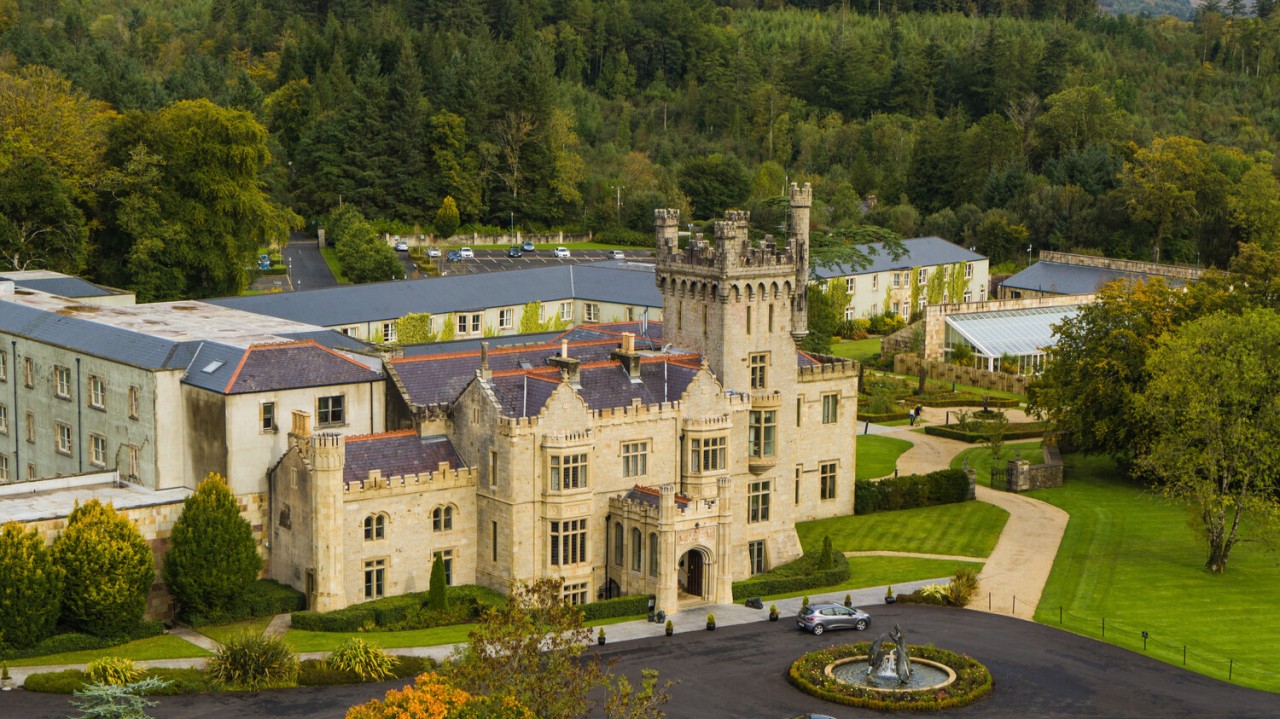
Best Estate Hotels for Retreats: The Complete Infrastructure Guide
The demand for high-tier group assemblies—whether structured corporate strategy sessions, intensive wellness immersions, or multi-generational family gatherings—has fundamentally outgrown the capabilities of conventional commercial hotels. Standard urban hospitality structures emphasize high-density guest turnover, vertical spatial configurations, and standardized, non-exclusive amenities. When an organization or family requires deep focus, prolonged psychological safety, and absolute operational discretion, these high-density models introduce persistent friction.
To identify the most effective properties, corporate planners, family offices, and retreat facilitators must evaluate venues through an infrastructural lens rather than relying on standard consumer marketing metrics. An exceptional estate property operates as an interconnected ecosystem, seamlessly blending historic architecture, specialized land-use zoning, and private utility systems. When these assets are poorly integrated, the group experience breaks down, resulting in acoustic bleed between spaces, logistical bottlenecks across large distances, and a lack of authentic privacy.
Managing a high-impact retreat within an estate setting requires balancing physical geography with operational limitations. Sprawling layouts offer unparalleled natural beauty and peace, but they also complicate internal transport logistics, decentralize food and beverage operations, and restrict real-time support from engineering teams. Finding the right balance requires a deep understanding of how a property’s physical footprint interacts with its service model and long-term capital allocation.
This comprehensive guide establishes a definitive framework for assessing and comparing premium estate venues. By analyzing spatial distributions, historical developments, resource allocation strategies, and risk-mitigation frameworks, this guide provides the clarity needed to identify properties capable of hosting flawless, high-stakes group assemblies.
Understanding “Best Estate Hotels for Retreats”
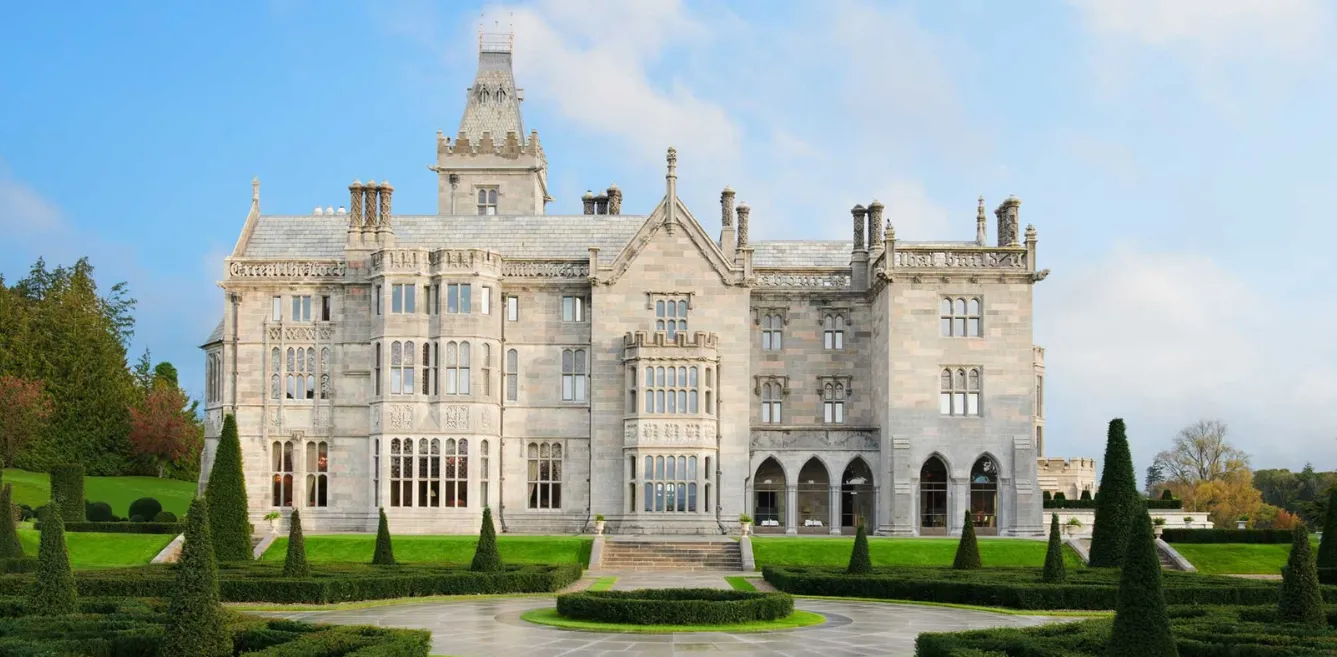
Evaluating high-end venues for group events requires a fundamental shift in perspective, moving away from consumer travel reviews and toward structural and systemic assessments. A persistent issue in retreat planning is treating estate accommodations as a collection of standalone guest rooms scattered across a picturesque property. Looking at a venue this way overlooks how its physical layout impacts group dynamics and operational efficiency.
A frequent error is assuming that scale or room count translates directly to group suitability. For instance, comparing a 200-room resort with a massive, multi-acre golf course to a 30-room restored historical estate in a remote valley often yields misleading conclusions if evaluated on numbers alone. The massive resort may offer extensive amenities, but it forces retreat attendees to share common spaces with transient tourists, breaking down the sense of privacy and isolation essential for group cohesion.
Oversimplifying this analysis often leads planners to choose venues based on aesthetic marketing materials rather than operational depth. A property featuring beautiful gardens or remote woodland cabins can look ideal on a website, but it may present hidden logistical challenges. If the paths connecting guest villas to the primary meeting spaces are unpaved and exposed to sudden weather changes, or if the estate’s mesh network cannot handle high-bandwidth secure data transmissions during a corporate strategy session, the venue becomes an operational liability.
True comparative analysis looks beyond surface-level aesthetic appeal to evaluate how seamlessly an estate’s infrastructure supports the group’s specific programmatic goals. It assesses how effectively a venue minimizes travel friction across its grounds, isolates meeting spaces from peripheral staff activity, and uses its natural setting to promote mental clarity and collaboration without sacrificing modern operational efficiency.
Historical Context and Systemic Evolution
The modern estate hotel developed from the private rural domains of the global elite, including European manor houses, hunting lodges, and agrarian plantations. Historically, these expansive properties were designed as self-contained economic and social ecosystems, built to host extended gatherings for ruling classes, diplomats, and extended families. The hunting seasons, political weekends, and artistic salons of the eighteenth and nineteenth centuries established the early rules of estate hospitality, where long stays required independent food production, specialized recreational programming, and highly stratified staff workflows hidden behind architectural barriers.
During the mid-twentieth century, the decline of private wealth and the introduction of strict inheritance taxes forced many families to transition these historic estates into commercial properties. Early iterations focused on classic leisure tourism, attempting to apply urban hotel management models to properties with decentralized layouts. These early operators quickly ran into structural bottlenecks, discovering that standard hotel procedures failed to manage the unique maintenance challenges of historic buildings, extensive private roads, and independent water and waste systems.
The rise of the information economy in the late twentieth and early twenty-first centuries created a new demand for venues capable of hosting intensive, focused offsite gatherings. Corporate organizations realized that open-plan offices and connected digital environments left teams little space for deep strategic thinking. Similarly, wellness facilitators and family offices began seeking environments that offered physical separation from urban distractions.
Today, this evolution faces new pressures from shifting environmental regulations, extreme weather patterns, and the demand for absolute data security. Modern estate venues must navigate strict environmental protections, managed water allocations, and the need for comprehensive digital security across remote properties. As a result, the industry has shifted away from resource-heavy, generalized resorts toward highly secure, self-sufficient estates.
Analytical Frameworks and Spatial Mental Models
To systematically evaluate estate hotel infrastructure across various architectural styles and geographic regions, planners can use several established spatial and organizational models. These frameworks help break down complex properties into predictable, manageable systems.
1. The Acoustic and Visual Separation Model
This model evaluates an estate’s capacity to host distinct, high-impact group activities simultaneously without creating cross-departmental friction or compromising privacy.
-
The Focal Zone: The primary gathering space (e.g., a restored barn, a historic library, or a dedicated pavilion). This space requires high-fidelity acoustic isolation, dedicated secure networking infrastructure, and direct access to catering support without relying on main guest thoroughfares.
-
The Transitional Buffer: The intermediate landscape (e.g., formal walled gardens, covered colonnades, or private estate paths). These areas provide physical and mental separation between intense work sessions and private downtime, allowing attendees to reset without leaving the estate’s secure boundaries.
-
The Private Sanctuary: The accommodation zones (e.g., decentralized stone cottages, carriage houses, or individual wings). These spaces must be visually and acoustically isolated from both the focal zone and general property maintenance routes, ensuring undisturbed rest.
Using this model helps planners choose layouts where back-of-house operations—such as early-morning landscaping or catering deliveries—remain completely invisible and inaudible to retreat attendees.
2. The Socio-Spatial Density Matrix
This framework measures the psychological impact of a property’s layout by analyzing the ratio of private square footage to shared group spaces across the estate.
Properties with high shared density (e.g., all guest rooms located within a single historic manor house) naturally foster intense, continuous group connection, making them ideal for alignment sessions. Properties with low shared density (e.g., guest accommodations spread across a wide valley in separate cabins) prioritize individual reflection and psychological recovery, which are essential for creative deep-dives or intensive wellness retreats.
3. The Operational Resource Horizon
This framework assesses an estate’s operational independence by mapping its internal service capabilities against its distance from urban supply centers. For a remote estate venue, planners must evaluate local power grid reliability, private backup generator capacity, on-site water filtration systems, and the availability of specialized culinary and technical staff nearby. This assessment ensures that a high-profile corporate retreat or private assembly will not be disrupted by local utility failures or regional supply shortages.
Core Structural Categories and Operational Variations
Estate hotels generally fall into six major categories, each presenting distinct architectural profiles, operational trade-offs, and distinct advantages for specific group dynamics.
1. Agrarian and Viticultural Estates
These venues integrate luxury hospitality with active, working agricultural lands, including vineyards, olive groves, and organic farms. They provide an authentic setting for culinary-focused retreats and wellness groups seeking a deep connection to the land. However, planners must navigate seasonal agricultural workflows, including heavy machinery operation during harvests and scheduled organic land treatments, which can create noise and olfactory disruptions if not carefully coordinated around the event schedule.
2. Historic Manor and Castle Estates
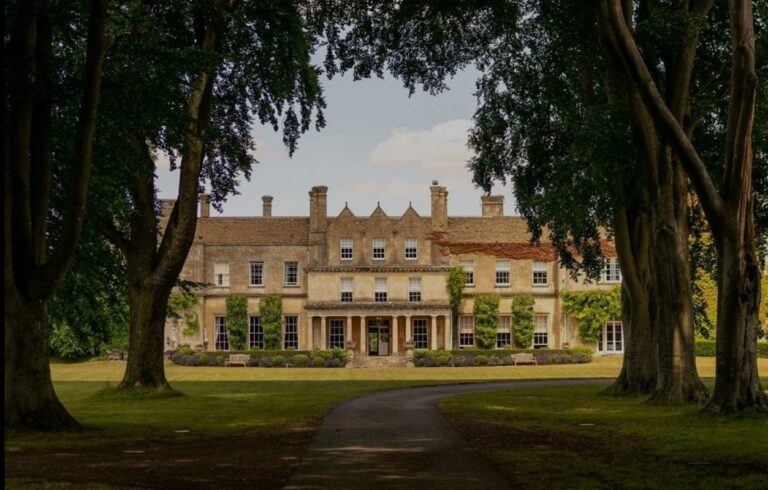
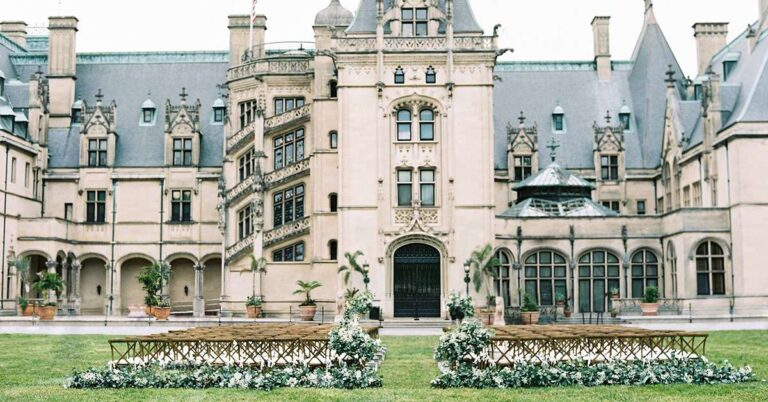
Characterized by landmark-protected architecture, formal gardens, and deep historical context, these properties offer unmatched prestige and historical gravity for board-level strategy sessions and private family assemblies. The structural trade-offs include rigid interior layouts, strict limitations on modern accessibility modifications, and complex climate control dynamics within thick historic masonry walls, which require specialized engineering support to maintain consistent comfort.
3. Wilderness and Eco-Conservation Lodges
Situated within or adjacent to protected national parks, wildlife reserves, or private conservation lands, these estates prioritize low-impact operations, self-contained utility loops, and nature-driven programming. They excel at hosting leadership retreats focused on sustainability or personal renewal. On the operational side, they demand strict environmental compliance, comprehensive wildlife management protocols, and specialized transport logistics to move guests safely across rugged terrain.
4. Coastal and Private Island Estates
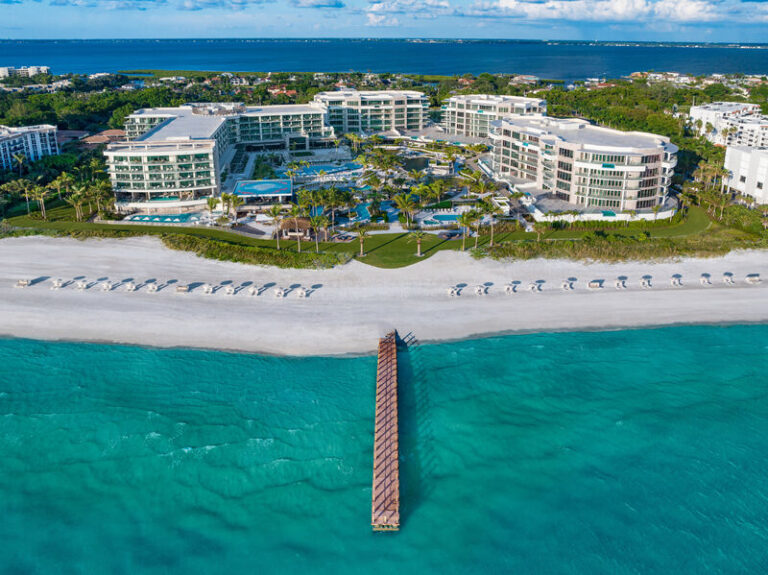
Properties facing marine environments, private beaches, and private docks offer absolute geographic isolation and complete control over the property’s perimeter. These venues are highly valued by high-net-worth families and high-security corporate sessions. The operational challenges include managing constant salt-spray corrosion on electronic and structural assets, maintaining strict maritime safety compliance, and executing complex weather-dependent evacuation plans.
5. Alpine and High-Altitude Mountain Estates
Located in remote valleys or elevated ridges, these estates offer dramatic natural backdrops and winter programming, making them excellent choices for team-building and high-end incentive retreats. Operating these properties requires extensive snow removal equipment, specialized heating systems with redundant backups, and careful logistical planning to manage sudden transport access limits caused by alpine winter storms.
6. Desert and Arid Oasis Estates
Set within expansive desert landscapes, these properties leverage open space, unique desert architecture, and thermal dynamics to create stark, minimal environments that promote deep focus and creative problem-solving. The core operational constraints center on strict local water allocations, intense cooling and heating loads within a single 24-hour cycle, and specialized landscape management to prevent sand encroachment on outdoor gathering spaces.
| Estate Category | Fixed Infrastructure Complexity | Variable Operational Premium | Privacy Isolation Potential | Primary Environmental Risk |
| Agrarian & Viticultural | Medium | High | Medium-High | Crop disease and seasonal farm noise |
| Historic Manor & Castle | Extreme | Medium | High | Structural moisture and heating failures |
| Wilderness & Conservation | High | Extreme | Extreme | Wildlife conflicts and off-grid power loss |
| Coastal & Private Island | High | Extreme | Absolute | Severe storms and marine corrosion |
| Alpine & Mountain | Extreme | High | High | Blizzards and road access closures |
| Desert & Arid Oasis | Medium | High | High | Water shortages and sand encroachment |
Decision Logic for Venue Selection
When selecting an estate category, planners must analyze the primary goals of the gathering against the physical constraints of the property. If a corporate assembly requires absolute confidentiality and high-bandwidth, secure data connections for global communication, a coastal private island or a highly secure historic manor with dedicated fiber infrastructure is preferred over an off-the-grid wilderness lodge.
This decision logic ensures that the physical assets of the estate support the group’s operational requirements, preventing situations where natural beauty comes at the expense of necessary technical or logistical infrastructure.
Detailed Real-World Operational Scenarios
Analyzing how estate venues handle real-world operational challenges helps highlight the underlying infrastructure and governance systems needed to support flawless group events.
Scenario 1: Executing a High-Security Corporate Strategy Offsite During an Alpine Winter Storm
A global financial organization books a 30-room alpine estate for an exclusive strategic retreat, coinciding with an unseasonal winter storm that drops four feet of snow over 48 hours.
-
The Constraints: The primary mountain pass leading to the property is closed by local authorities. The regional electrical grid fails due to ice accumulation on power lines, and the group requires uninterrupted, high-bandwidth satellite communications for sensitive international market assessments.
-
The Decision Points: The estate’s management must decide whether to transition operations to on-site backup generators immediately or implement energy-conservation measures that limit heating and lighting in guest rooms to protect fuel reserves.
-
Failure Modes: Without a clear operational plan, the property’s backup generators could fail due to gelled diesel fuel, causing the estate to lose heat, power, and communications simultaneously, which forces an emergency evacuation under hazardous conditions.
-
Second-Order Effects: A failure in the main heating network can cause water pipes to freeze and burst inside the historic masonry walls, causing permanent structural damage and rendering the venue unusable for the rest of the winter season.
Scenario 2: Managing an Intensive Wellness Retreat on a Coastal Working Farm Estate
A wellness organization hosts a 7-day mindfulness and detoxification retreat for 25 attendees on an agrarian estate, while the farm team must execute time-sensitive organic crop treatments across adjacent fields.
-
The Constraints: The retreat relies on silence and outdoor meditation spaces scattered throughout the estate’s formal gardens and orchards. The farm team must apply organic fertilizers and use tractors to turn soil before an impending rainstorm, a process that generates high noise levels and strong odors.
-
The Decision Points: The estate coordinator must decide whether to delay critical agricultural work—risking crop loss—or adjust the retreat’s schedule, moving outdoor meditation sessions to interior spaces.
-
Failure Modes: Lacking clear departmental communication, a tractor crew could begin spreading organic fertilizer upwind of an outdoor meditation session, disrupting the guest experience and causing immediate complaints from the retreat planners.
-
Second-Order Effects: This breakdown forces the retreat organizers to demand financial compensation, straining the estate’s revenue and creating long-term operational friction between the property’s hospitality and agricultural teams.
Planning, Financial Dynamics, and Resource Allocation
Hosting a successful group retreat at an estate property requires an understanding of both direct financial costs and long-term asset management dynamics. Operators and planners often focus on upfront booking fees, overlooking the hidden operational costs that come with managing decentralized properties.
Direct, Indirect, and Opportunity Capital Vectors
Direct expenses are straightforward, covering full-property buyout premiums, dedicated culinary teams, custom tech setups, and specialized transport fleets. Indirect costs are more subtle but have a significant impact on profitability. These include the labor hours lost when service staff travel long distances across a large layout, the accelerated wear and tear on utility vehicles driven over unpaved paths, and the administrative hours spent securing special event permits from local historic or environmental boards.
Opportunity costs must also be factored into the estate’s business model. For example, clearing a historic barn of its traditional agricultural equipment to create a unique meeting space means pausing working land revenue during that setup window. A balanced financial strategy tracks these cross-departmental dynamics, ensuring that retreat revenues offset the operational trade-offs required across the wider property.
| Resource Allocation Pool | Baseline Capital Input | Premium Scaling Factor | Core Financial Risk | Optimization Strategy |
| Full Estate Buyout | High | Variable Seasonal | Forgone transient room revenue | Multi-year booking agreements |
| Decentralized Catering | Medium | High Travel Cost | Food temperature drop and waste | Localized satellite kitchens |
| Secure Networking | High | Specialized Labor | Data breaches and connectivity drops | Redundant satellite/fiber links |
| Internal Transport Fleets | Medium | Continuous Use | Vehicle breakdowns and fuel costs | Right-sized electric utility fleets |
Operational Infrastructure, Logistics, and Tools
Managing a diverse portfolio of estate amenities during a high-stakes group retreat requires a mix of specialized technology, custom hardware, and clear communication workflows.
-
Geographic Information Systems: Rather than relying on simple property maps, advanced estate venues use digital asset mapping to log every underground utility line, fiber optic junction, emergency access lane, and private water valve. This system prevents facilities teams from accidentally disrupting critical connections during event setups.
-
Property-Wide Wireless Mesh Networks: Expansive estates often face cellular dead zones. Implementing a property-wide mesh network ensures that guest services, facilities maintenance, and security teams remain connected via real-time tracking and communication apps across all remote areas.
-
Automated Weather Monitoring Stations: Placing IoT microclimate sensors across the estate allows operations teams to track real-time changes in wind speed, temperature, and moisture. This data helps teams adjust outdoor dining setups and protect historic structures before severe weather hits.
-
Decentralized Housekeeping Supply Hubs: To reduce the time staff spend traveling across large properties, estates set up hidden supply stations within individual accommodation zones. This keeps housekeeping teams close to guest rooms and speeds up turn times without disrupting group activities.
-
Cross-Departmental Logistical Calendars: A shared scheduling platform helps coordinate hospitality, landscaping, and farming workflows. This system automatically flags potential conflicts, such as scheduling loud lawn maintenance near a private outdoor meeting space.
-
Specialized Low-Impact Utility Vehicles: Utilizing custom electric utility carts equipped with enclosed, temperature-controlled catering units ensures food arrives hot to remote dining locations while minimizing noise along guest walkways.
Risk Taxonomies and Interconnected Failure Modes
The primary challenge of managing an estate hotel during a group assembly is that operational risks are deeply interconnected. A minor issue in land management can quickly cascade into an infrastructure crisis that impacts multiple guest areas.
Compounding Risk Taxonomy
-
Siloed Planning Breakdowns: This occurs when independent departments make operational decisions without consulting the central property schedule. A common example is the landscaping team shutting down a primary water line for routine pump maintenance without notifying the culinary team, leaving the kitchen without water during a critical dinner service.
-
Cascading Infrastructure Failures: On large, remote estates, utility networks are often interdependent. A failure in a remote wastewater lift pump can back up through the system, causing plumbing failures in luxury guest villas far down the line and forcing a partial shutdown of the property.
-
Regulatory Compliance Breaches: Operating a commercial hospitality venue on historic or protected conservation land requires navigating strict local laws. Failing to follow environmental guidelines during trail maintenance can lead to heavy municipal fines, stopped development projects, and public relations issues.
To prevent these compounding risks from disrupting group retreats, estate hotels must establish clear communication and escalation protocols. Frontline staff must have a direct, non-hierarchical path to report anomalies—such as a drop in water pressure or unusual sounds from mechanical systems—allowing engineering teams to intervene before a minor issue causes widespread disruption.
Governance Frameworks, Adaptability, and Maintenance
An estate’s operational plan cannot be a static document. It must function as a living management system that evolves alongside the property’s physical landscape, regulatory environment, and long-term event calendar.
The Management Lifecycle
To maintain operational alignment, management must commit to a structured review process. This cycle combines quick weekly adjustments with deep annual audits to ensure all offerings remain viable, secure, and ready for high-stakes assemblies.
-
Weekly Operational Lookaheads: A cross-departmental meeting where teams review the upcoming week’s guest profiles, scheduled events, and major maintenance projects to flag and resolve potential conflicts early.
-
Seasonal Adjustment Audits: Held four times a year, these reviews adjust operational plans for upcoming weather shifts, agricultural harvests, and seasonal staffing changes.
-
Annual Strategic Reviews: A comprehensive audit where leadership updates the core plan to reflect regulatory changes, major capital improvements, and long-term land management goals.
Layered Operational Quality Checklist
1: Daily Frontline Operational Tasks
-
Verify backup generator fuel levels and test emergency automated transfer switches.
-
Confirm that all wireless mesh network nodes are online and operating at full bandwidth.
-
Inspect primary guest thoroughfares for debris, loose gravel, or lighting failures.
2: Seasonal System Alignments
-
Inspect and clean all estate drainage channels and culverts ahead of rainy season shifts.
-
Update agricultural chemical application plans with farm and hospitality coordinators.
-
Service and winterize the estate’s vehicle fleet, ensuring all emergency gear is updated.
3: Annual Capital & Regulatory Compliance
-
Complete comprehensive structural and safety audits for all landmark-protected structures.
-
Renew water extraction rights, environmental discharge permits, and local safety certifications.
-
Conduct joint emergency response drills with local fire, medical, and municipal authorities.
Performance Indicators and Evaluation Systems
Evaluating the long-term success of an estate venue requires looking beyond traditional hospitality metrics. True operational health is measured by tracking a balanced mix of leading and lagging indicators across all departments.
Leading vs. Lagging Operational Metrics
Leading indicators act as early warning signals, helping teams spot potential issues before they disrupt operations. For example, tracking the completion rate of preventative maintenance tasks on remote utility networks can predict and prevent system failures during peak season. Similarly, monitoring staff turnover in specialized roles, like estate drivers or trail guides, can highlight underlying issues with training or scheduling balance.
Lagging indicators measure the final results of the coordination efforts. These include tracking total capital losses from infrastructure failures, monitoring year-over-year changes in landscape restoration costs, and analyzing guest complaints related to estate logistics, such as noise from agricultural machinery or delays in room shuttle services.
Core Management Logbooks
To maintain clear records and ensure consistent execution across teams, properties should rely on three core operational documents:
-
The Spatial Conflict Register: A shared database where departments log upcoming projects. The system flags instances where multiple teams try to use the same area simultaneously, such as scheduling masonry repairs in a courtyard during a premium booking window.
-
The Structural Asset Index: A comprehensive ledger that tracks the physical health of every building, roadway, bridge, and utility system across the property. This index dictates how capital improvement funds are allocated each year.
-
The Microclimate Trend Map: A live dataset that tracks temperature, wind, and soil moisture variations across different zones of the estate. This information helps teams adjust HVAC settings in historic buildings, fine-tune irrigation schedules, and plan comfortable outdoor setups for guest events.
Common Misconceptions and Industry Oversimplifications
Myth 1: Any luxury resort can host an exclusive retreat
The Reality: High-density resorts often mix corporate groups with general tourists in common areas. This layout breaks down the privacy, security, and quiet focus required for high-stakes alignment sessions and executive retreats.
Myth 2: Off-the-grid venues are inherently better for deep focus
The Reality: Properties that lack reliable power, secure backup generators, and modern digital infrastructure introduce technical friction. This can frustrate attendees and disrupt global communication requirements during a retreat.
Myth 3: Landscaping and agricultural work can run on standard commercial timelines
The Reality: Commercial farming schedules prioritize yield and efficiency, which often creates noise, dust, and odors. On an estate, these agricultural workflows must be adjusted around the group’s event schedule to preserve the guest experience.
Myth 4: Adding more transport vehicles solves estate travel delays
The Reality: Flooding an estate with extra service vehicles often leads to traffic bottlenecks on narrow, unpaved roads. It also increases dust, noise, and environmental wear. True efficiency comes from smart routing and scheduled dispatching.
Myth 5: Historic spaces can be converted into high-tech meeting rooms without operational trade-offs
The Reality: Installing modern digital gear, heavy power infrastructure, and advanced HVAC systems into historic masonry walls requires careful engineering. Without specialized installation, it can cause moisture issues and structural damage over time.
Myth 6: Guest experience teams don’t need to understand estate utility layouts
The Reality: When front-of-house staff understand the property’s physical layout and infrastructure constraints, they can manage bookings smarter, set realistic expectations for guests, and help catch infrastructure issues before they escalate.
Ethical, Environmental, and Regional Considerations
Operating a large estate hotel brings significant responsibilities that extend far beyond the property lines. Because these properties often dominate local rural economies, management decisions can deeply impact surrounding communities, ecosystems, and historical narratives.
Water Stewardship and Resource Balance
Large estates often draw heavily on local water tables, rivers, or municipal supplies to maintain pristine lawns, fill swimming pools, and support agricultural operations. In arid regions or areas facing drought, this consumption can strain relations with neighboring communities and local farmers.
Resilient coordination plans must prioritize water conservation. This means installing greywater recycling loops, prioritizing native plants in landscaping, and using smart drip-irrigation networks. Managing water responsibly protects both the local ecosystem and the estate’s long-term operational viability.
Labor Integration in Rural Communities
Estate hotels are often the primary employer in rural areas. While they bring steady jobs, they can also warp local labor markets by pulling workers away from traditional agriculture and community services. Furthermore, the split between the affluent guests visiting the property and the local workforce running it can create social friction if not managed thoughtfully.
Ethical estate management requires investing in the local workforce through fair wages, professional development, and cross-training programs. By training staff in specialized skills—like historic building preservation, sustainable agriculture, and advanced facility engineering—the estate helps build a resilient local workforce, turning operational costs into long-term investments in the community.
Navigating Historical Narratives
When an estate hotel occupies a site with a complex history, such as a colonial-era plantation, a converted monastery, or a historic manor, the property must handle its past with care and transparency. Glossing over difficult history to create a simplified, romanticized experience for guests risks alienating local communities and drawing public criticism.
Coordination plans should guide how the property’s history is shared through architecture, guest materials, and staff training. Working alongside local historians and community leaders ensures the property presents an authentic, respectful narrative. This approach honors the site’s heritage while enriching the guest experience through genuine cultural preservation.
Conclusion
Selecting and operating an estate hotel for an exclusive group assembly requires a deep understanding of the property’s physical and operational systems. Traditional hospitality metrics fall short when applied to these expansive, decentralized properties. Instead, long-term success relies on evaluating how effectively a venue’s spatial layout, utility infrastructure, and communication tools support the group’s programmatic goals.
By assessing estates through structured frameworks like the Acoustic and Visual Separation Model, organizers can identify venues that offer genuine privacy and isolation without sacrificing modern technical capabilities. Success requires breaking down operational silos, using advanced digital management tools, and maintaining an ongoing dialog between the property’s hospitality, facility, and land management teams.
Ultimately, a well-coordinated estate venue serves as an active tool for group alignment and focus. When a property’s natural landscape, historic architecture, and operational systems are properly balanced, they create an exceptional environment that protects confidentiality, minimizes operational friction, and ensures the long-term success of high-stakes retreats.