Top Estate Hotel Packages: A Guide to Luxury Estate Programs
The global luxury hospitality sector has shifted from transactional room-and-board models to highly complex, structured guest experiences. At the center of this evolution is the estate hotel—a property defined by vast acreage, historical or architectural significance, and decentralized operational structures. Unlike traditional high-end urban properties, which rely on proximity to external municipal attractions, an estate hotel must function as a self-contained ecosystem. The procurement, structuring, and execution of travel within these properties require an analytical understanding of programmatic hospitality design.
Selecting and evaluating luxury travel packages within these expansive properties involves navigating an intricate layer of bundled services. These programs are frequently misunderstood as simple marketing bundles that pair a room with a baseline dining credit or a superficial spa coupon. For corporate planners, high-net-worth individuals, and asset managers, evaluating these offerings requires looking past promotional imagery to analyze the underlying operational frameworks.
Sustaining the value of a high-end estate itinerary relies on understanding regional micro-economies, staffing ratios, seasonal resource availability, and localized governance constraints. This structural reality means that a program executed in a historic English manor demands a vastly different operational and financial analysis than an ultra-luxury ranch program in the American West or a private island estate in the South Pacific. Failing to look closely at these operational details often leads to poor alignment between the buyer’s strategic goals and the estate’s actual service capacity.
Understanding “Top Estate Hotel Packages”
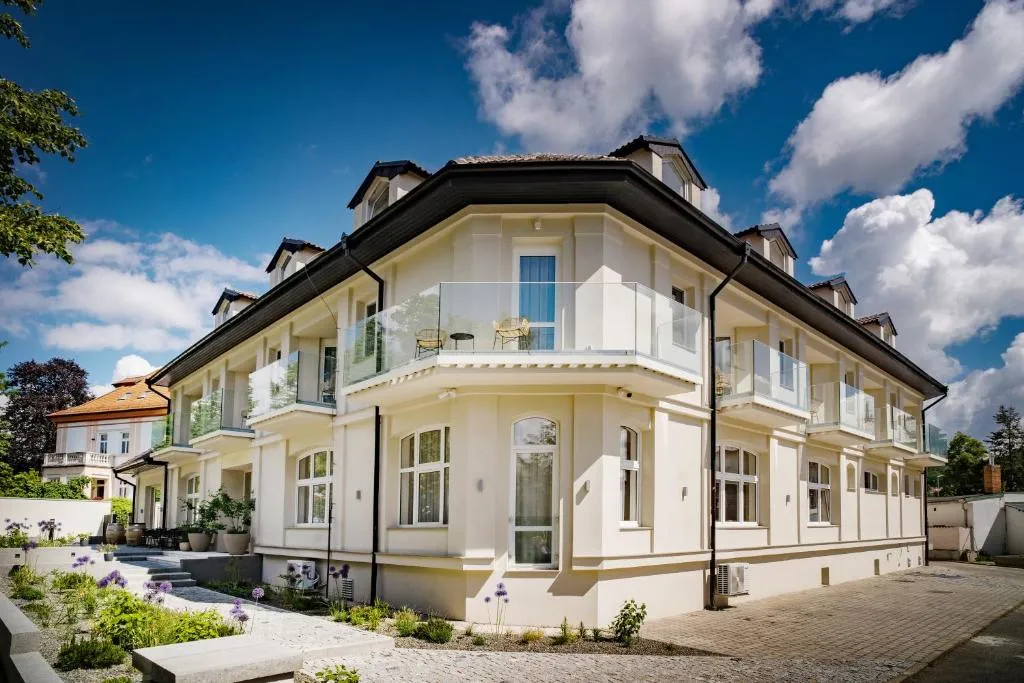
The phrase top estate hotel packages represents a complex architectural matrix of land management, labor allocation, and localized programming, rather than a mere selection of high-end hotel amenities. At its core, the concept refers to fully integrated, multi-day itineraries within self-contained properties that exceed 50 acres and possess dedicated agricultural, ecological, or historical infrastructure. These programs consolidate lodging, specialized food and beverage programs, privatized asset access, and dedicated labor resources into unified commercial agreements.
A common analytical error is treating these packages as standard luxury hotel reservations with added-on activities. This oversimplification ignores the deep operational dependencies that distinguish a genuine estate program from a conventional resort stay.
Evaluating these offerings requires assessing how effectively an estate manages its spatial autonomy. The value of a premium estate package does not come from the sheer volume of amenities provided, but from how seamlessly those elements are coordinated. This integration depends on a highly specialized labor force, including estate managers, sommeliers, head wranglers, and conservationists, who operate outside the traditional scope of frontline hospitality staff.
The Structural Evolution of Estate Hospitality
The modern estate hotel developed from deep historical shifts in land tenure, wealth distribution, and aristocratic infrastructure. Historically, the large estate functioned as a private center of political and economic power, supported by agricultural production and tenant labor. Throughout the twentieth century, shifting tax structures, inheritance levies, and changing agricultural economics made maintaining these large land holdings privately unsustainable in both Europe and North America.
To preserve these architectural and environmental assets, many ancestral estates transitioned into commercial hospitality enterprises. This shift required retrofitting historical structures with modern utilities, expanding service capacities, and repurposing agricultural land for recreational use. The initial phase of this evolution focused primarily on preserving heritage aesthetics, appealing to a niche demographic of travelers seeking traditional elite environments.
| Era | Primary Land Use Model | Operational Funding Mechanism | Demographics & Access |
| Pre-1950 | Private Aristocratic Land Holdings | Agrarian tenant income, inherited wealth capital | Restricted entirely to family lines and private guests |
| 1970–1990 | Early Heritage Preservation Hotels | Low-yield rooms, basic venue rentals, historical tours | Emerging affluent leisure class seeking heritage aesthetics |
| 2000–Present | Self-Contained Experiential Ecosystems | Multi-tiered, highly structured programmatic experiential packages | Global corporate executives, high-net-worth investors, asset managers |
In the current landscape, the expansion of the global knowledge economy and the rise of decentralized corporate leadership have created a demand for highly secure, isolated, and presentation-ready environments. Modern estate hotels have evolved beyond basic hospitality providers to become sophisticated platforms for corporate retreats, high-level negotiations, and multi-generational family gatherings. This structural shift has changed how these properties operate financially, moving them toward comprehensive, all-inclusive packages designed to maximize privacy, control, and efficiency.
Analytical Frameworks for Programmatic Hospitality Evaluation
To objectively assess the viability of various top estate hotel packages, corporate planners and asset managers cannot rely on marketing narratives or subjective reviews. They require structured mental models that quantify the operational capacities and hidden liabilities of complex property ecosystems.
The Labor-to-Guest Spatial Index (LGSI)
The Labor-to-Guest Spatial Index measures the density of dedicated, specialized labor relative to the physical acreage and guest capacity of an estate. This framework calculates the property’s ability to deliver seamless, unhurried service across distributed terrain:
Where $L_{\text{specialist}}$ represents the number of full-time equivalent (FTE) asset specialists on-site, $A_{\text{operational}}$ represents the total active acreage designated for package utilization, $G_{\text{capacity}}$ represents the maximum guest occupancy under peak operations, and $D_{\text{dispersion}}$ represents the average transit time in minutes between major on-site amenities.
A low LGSI score indicates a property that may be physically beautiful but lacks the specialized staff necessary to manage distributed experiences without service delays. High-performing programs maintain a high index score, ensuring that specialized staff are always available to manage private assets without relying on outsourced or temporary labor.
The Hyper-Local Supply Chain Resilience Model
This model evaluates an estate’s culinary and physical supply chains, looking past superficial “farm-to-table” marketing to measure true operational self-sufficiency through three distinct phases:
First, the model analyzes Agricultural Infrastructure by quantifying the active square footage of managed greenhouses, rotational cropland, and livestock fields owned directly by the estate. Second, it assesses Processing Capabilities, evaluating on-site facilities such as butcheries, curing cellars, olive mills, or wine fermentation facilities. Finally, it measures Menu Integration, quantifying how dynamically the culinary team adjusts offerings based on real-time microclimate shifts and daily harvests, reducing reliance on distant regional distributors.
The Asset Exclusivity Decay Curve
This framework tracks the decline in package value that occurs when an estate overbooks its private assets or opens its grounds to non-package guests or day visitors. The decay curve moves from Absolute Asset Sovereignty (characterized by 100% package exclusivity and zero external foot traffic) down to Shared Operational Utility (where asset scheduling conflicts and partial public access emerge). The final stage is the Commoditized Public Resort, marked by high wait times, loss of privacy, and visible structural decay.
When an estate reaches shared or commoditized utility levels, the structural value of its premium packaging drops significantly. This decay undermines the core reason high-net-worth clients choose these properties: the guarantee of absolute privacy and unhurried access to land and amenities.
Typologies of High-End Estate Programs
Evaluating top estate hotel packages requires organizing properties into clear, functional categories. Each type is defined by specific land management needs, service focuses, and operational considerations.
Heritage European Working Estates
Located across regions like Tuscany, Andalusia, and the Scottish Highlands, these properties combine historical architecture with active, commercial-grade agriculture, forestry, or viticulture.
-
Advantages: Deep cultural history, mature wine cellars, classic architecture, and highly refined, traditional service standards.
-
Trade-offs: Strict structural preservation laws can limit modern room configurations; layout restrictions may complicate ADA compliance; historic plumbing systems can be vulnerable to peak load demands.
High-Altitude Alpine Wilderness Compounds
These estates, common in the Rocky Mountains, Swiss Alps, and Southern Alps of New Zealand, focus on conservation land management and outdoor expeditions.
-
Advantages: Direct access to private trail networks, high-security perimeters, advanced heli-pads, and specialized mountain gear rooms.
-
Trade-offs: High weather dependency, extreme seasonal staff turnover, and elevated logistics costs for high-altitude transport.
Maritime Coastal and Island Domains
Found along the Mediterranean coast, the Caribbean, and private archipelagos in French Polynesia, these properties integrate marine biology, deep-water docking, and private coastline access.
-
Advantages: Absolute isolation, private beach assets, dedicated yacht fleets, and custom marine itineraries.
-
Trade-offs: High salt-air corrosion risks for infrastructure; vulnerability to severe tropical storms; complex water desalination and waste management requirements.
Agrarian Ranch and Eco-Conservation Reserves
Spanning large tracts of land in East Africa, Argentina, and the American West, these properties center their guest programs on wildlife conservation, livestock management, and eco-restoration.
-
Advantages: Unmatched physical scale, private wildlife viewing, low regional light pollution, and large-scale facilities for multi-day outdoor expeditions.
-
Trade-offs: Long distances to level-1 trauma centers; high dust and environmental exposure; complex safety protocols for close proximity to working livestock or apex predators.
Estate Program Typology Matrix
| Typology | Primary Asset Risk | Staffing Density Ratio (FTE:Guest) | Capital Expenditure Focus | Logistics Complexity |
| Heritage European | Structural Degradation | 2.5 : 1 | HVAC & Preservation Retrofitting | Moderate (Established Roads) |
| Alpine Wilderness | Weather Interruptions | 4.0 : 1 | Fleet & Aviation Upkeep | High (Mountain Transport) |
| Maritime Coastal | Marine Corrosion | 3.5 : 1 | Desalination & Hull Assets | Critical (Supply Ships Needed) |
| Agrarian Ranch | Environmental Hazards | 3.0 : 1 | Fencing & Security Systems | High (Remote Off-Grid Needs) |
Decision Logic: Aligning Program Structure with Intent
Selecting the appropriate estate typology requires matching a group’s specific goals with the property’s operational strengths. For example, a corporate board focused on strategic planning sessions should avoid remote agrarian ranches where long trail rides and outdoor hazards can disrupt meeting schedules. Conversely, groups seeking complete disconnection and team-building challenges will find little value in heritage European estates, which excel at structured, indoor cultural programs rather than rugged outdoor expeditions.
Operational Realities: Scenario-Based Analysis
The practical value of top estate hotel packages is best understood by evaluating specific operational scenarios. These case studies highlight the logistics, service redundancies, and management challenges that define high-end estate management.
Scenario A: The High-Level Corporate Governance Retreat in an Alpine Domain
A global financial firm books a 4-day exclusive buyout package at a 3,000-acre private mountain estate in Montana for 25 executive board members.
-
The Operational Reality: The estate must provide high-bandwidth, secure communication lines alongside wilderness expeditions. This requires running independent fiber-optic networks alongside satellite backups across the property’s remote meeting cabins.
-
Systemic Failure Mode: An unseasonal autumn blizzard drops three feet of snow, knocking out the regional power grid and blocking the main mountain pass road. Because the estate maintains an industrial-grade dual-fuel generator array and holds clear easement rights for private snow-clearing equipment, the indoor climate and communications remain unaffected.
-
Second-Order Effects: The road closure prevents regional gourmet food distributors from reaching the property. However, because the package includes a fully stocked, on-site winter storage facility and relies on vacuum-sealed, estate-raised proteins, the culinary team executes the full menu without modification.
Scenario B: The Multi-Generational Heritage Buyout in Tuscany
An international family office books a 14-day buyout package at a historic 12th-century agricultural estate for three generations of family members, ranging in age from infant to eighty-five.
-
The Operational Reality: The itinerary requires balancing daily vineyard tours and culinary workshops with pediatric care and mobility assistance across uneven, historic terrain.
-
Demographic Breakdown: For elderly members, the estate configures smooth walking paths, specialized golf carts, and low-step transit vehicles. For the primary adult demographic, operations open steep vineyard terraces and deep wine cellars. For infants, the layout focuses on level terrain access and proximity to emergency medical support.
-
Systemic Failure Mode: During a private dinner in a historic cellar, the estate’s antiquated electrical grid trips under the load of temporary lighting and catering equipment, cutting power to the wing housing the family’s elderly members.
-
Second-Order Effects: The lack of automated, zone-specific sub-panels means resetting the system requires a certified technician to access a secured outbuilding. The lack of clear communication between the kitchen and the facilities team delays the reset by two hours, disrupting medical devices and creating a safety risk on the historic stone staircases.
Scenario C: The Conservation Expedition on a Maritime Private Island
A group of private investors buys a premium conservation package on a 500-acre private island estate in the Caribbean, focused on marine research and reef restoration.
-
The Operational Reality: The package guarantees daily deep-sea diving excursions led by resident marine biologists using the estate’s private research vessels.
-
Systemic Failure Mode: A mechanical failure damages the main compressor used to refill scuba tanks, while a sudden marine algae bloom limits underwater visibility near the primary reef site.
-
Second-Order Effects: Because the property lacks an on-site mechanical engineer capable of servicing the specialized compressor, the diving program is halted. Without alternative, land-based cultural or scientific programming built into the package design, the guests are left with no activities for four days, destroying the value of the itinerary.
Economic Dynamics, Capital Allocation, and Resource Management
The financial structure of an estate hotel package is fundamentally different from standard, consumption-based hotel billing. In a conventional resort, costs are calculated based on individual transactions, such as room rates, menu prices, and spa fees. Premium estate packages, however, operate on a capital allocation model where costs are structured around fixed asset utilization and dedicated labor commitments.
Direct vs. Indirect Cost Vectors
When analyzing the price of an integrated estate program, buyers must separate baseline operational costs from indirect asset management expenses:
-
Dedicated Labor Allocations: The cost of keeping highly specialized professionals (e.g., estate managers, private chefs, expedition guides) assigned exclusively to one group for their entire stay.
-
Asset Readiness Fees: The behind-the-scenes cost of keeping specialized equipment, vehicles, horses, watercraft, and private trails prepared for immediate use, regardless of how often they are actually used.
-
Supply Chain Premiums: The added cost of sourcing hyper-local, artisan, or estate-grown ingredients, which bypass commercial food networks but require significant manual labor and storage infrastructure.
-
Regulatory Compliance Fees: The cost of maintaining specialized permits, commercial land-use allowances, marine safety certificates, and aviation insurance required to run complex activities on-site.
The True Cost of Bespoke Menu Customization
A common point of friction in premium packages is the demand for complete menu customization. In a standard hotel, this simply involves switching ingredients within an established supply chain. In an estate context, where menus are designed around seasonal harvest cycles and on-site production, major last-minute changes can break local supply chains. Chefs must then source alternative ingredients from distant distributors at short notice, which introduces high transport fees and underpaces the quality of the estate’s own produce.
Structural Financial Variances in Program Packages
| Program Framework | Baseline Price Range (Per Night) | Included Labor Overhead | Hidden Capital Risks | Primary Value Driver |
| Exclusive Estate Buyout | $25,000 – $85,000 | Full Estate Staff (FTE 3.0+) | Shared infrastructure failures, emergency grid repairs | Absolute privacy, total control over layout and schedules |
| Tiered Pavilion Package | $4,000 – $12,000 | Shared Specialists (FTE 1.0) | Asset scheduling conflicts, public space overlap | Access to world-class land assets at a lower entry cost |
| Conservation Expedition | $8,000 – $20,000 | Scientific Guides (FTE 2.0) | Gear failure, unexpected weather blocks | Access to restricted research areas and rare wildlife |
Strategic Support Systems and Operational Infrastructure
Successfully executing top estate hotel packages requires moving past standard front-desk property management software to employ robust, heavy-duty operational systems. The list below outlines the core systems required to maintain a complex estate property.
-
Industrial Reverse-Osmosis Water Treatment Array: Ensures consistent water pressure and mineral filtration across historic or remote buildings. Limitation: Requires regular filter replacement and constant monitoring to prevent bio-fouling in storage tanks.
-
Decentralized Multi-Node Smart Grid and Inverter Array: Manages power distribution between solar fields, commercial generators, and battery storage. Limitation: Highly vulnerable to direct lightning strikes; requires specialized industrial technicians to repair.
-
On-Site Cold-Storage and Dry-Aging Vaults: Allows the culinary team to store whole animals, harvest yields, and artisanal products for long periods, reducing reliance on external deliveries. Limitation: Requires backup cooling systems to prevent inventory loss during power outages.
-
All-Terrain Utility and Medical Response Fleet: Includes four-wheel-drive utility vehicles, enclosed rough-terrain golf carts, and dedicated rescue trailers. Limitation: High maintenance costs from dust, mud, and heavy use on rugged trails.
-
Satellite-Linked Mesh Communication Network: Provides encrypted, high-speed radio and data connectivity across remote areas and valleys where cellular coverage fails. Limitation: Requires line-of-sight repeaters on high ridges, which can be damaged by high winds or winter ice.
-
Equestrian and Livestock Management Infrastructure: Includes automated watering stations, climate-controlled barns, and veterinary isolation stalls. Limitation: High fixed operating costs; requires round-the-clock livestock management regardless of guest occupancy.
-
Automated Fire-Suppression Pump and Hydrant Array: Delivers high-pressure water from estate lakes or ponds to protect outlying structures from wildfires. Limitation: Requires regular pressure testing and winterization to prevent line freezes.
Risk Landscape and Systemic Failure Modes
The isolated nature of country estates introduces distinct, compounding operational risks that rarely disrupt traditional urban hotels. Because these properties function as self-contained systems, a failure in one area can quickly cause a cascade of problems across the entire operation.
-
Primary Infrastructure Failure: For example, a central desalination pump or water filtration plant fails due to a sudden mechanical breakdown.
-
Secondary Service Breakdown: Main line water pressure drops instantly across the property, forcing the immediate closure of kitchens, guest suites, and spa pavilions.
-
Tertiary Experience Degradation: Gourmet dining programs are canceled, the packaged itinerary drops to basic emergency catering, and guests are functionally isolated from core activities.
-
Quaternary Financial Liability: Total package refunds are required to address the operational failure, creating severe reputation damage that compromises future high-value group bookings.
This chain of dependencies shows why top estate hotel packages cannot afford single points of failure in their mechanical or logistical systems. Mitigating these risks requires properties to invest heavily in parallel backup equipment, on-site spare parts inventories, and cross-trained staff who can step into different operational roles immediately during an emergency.
Governance, Maintenance, and Quality Audits
Unlike conventional hotels that run on simple room-cleaning schedules, large estate properties require rigid, proactive maintenance programs. These systems ensure that both historical structures and natural environments remain in pristine condition without disrupting guest experiences.
The Layered Quality Audit Routine
Weekly Operational Vectors
-
Run full diagnostic cycles on backup generator arrays and automatic power transfer switches.
-
Inspect trail perimeters for fallen trees, erosion, or wildlife damage near guest cabins.
-
Check water clarity, chemical balance, and pressure differentials across all filtration nodes.
Monthly Structural Vectors
-
Check grease traps, venting networks, and cold-storage seals in high-volume kitchens.
-
Test battery reserves, signal strength, and emergency channel overrides on the satellite mesh network.
-
Inspect fleet vehicles, trail machinery, and safety equipment for mechanical wear and tear.
Bi-Annual Environmental Vectors
-
Clear brush, dry wood, and low branches within a 100-foot safety buffer around all guest structures.
-
Flush main septic systems and inspect leach fields to ensure proper drainage.
-
Run full pressure and flow tests on fire pumps, hydrants, and emergency water storage systems.
Annual Governance Vectors
-
Conduct deep structural integrity audits of historic foundations, roofs, and masonry joints.
-
Secure updated commercial land-use permits, wildlife management certifications, and aviation clearance records.
-
Review hyper-local supply chains, assessing farm productivity, livestock health, and vintage wine storage conditions.
Measurement, Tracking, and Evaluation
Evaluating the performance of complex estate programs requires looking beyond basic guest satisfaction scores. Management teams must track specific, quantifiable operational data to catch underlying service and infrastructure issues before they impact the guest experience.
Quantifiable Operational Indicators
-
Asset Availability Rate: This metric tracks the percentage of time specialized assets (e.g., private yachts, helicopters, trail networks, spa pavilions) are fully operational during a guest’s stay. Any drop below 98% indicates mechanical or staffing problems that undermine the package’s value.
-
Hyper-Local Ingredient Percentage: Measures the ratio of estate-grown or locally sourced ingredients to total kitchen purchases. A declining percentage reveals an over-reliance on commercial food distributors, which dilutes the authentic farm-to-table experience promised in the package.
-
Specialist Labor Retention Rate: Tracks the turnover of key, non-hospitality staff like head wranglers, sommeliers, and conservation guides. High turnover in these roles leads to a noticeable loss of deep property knowledge and diminishes service quality.
-
Peak-Load Power Stability: Monitors voltage fluctuations and automatic generator engagement times during high-demand periods. Frequent voltage drops or slow generator cut-ins indicate an aging electrical grid that risks damaging guest equipment and property systems.
Qualitative Integrity Signals
-
Trail and Landscape Maintenance: Catching minor erosion, invasive plant growth, or faded signage early prevents trail washouts and keeps the estate’s natural assets looking immaculate.
-
Consistency of Culinary Execution: Monitoring how smoothly the kitchen adapts to unexpected harvest changes or dietary requests ensures the dining experience remains elite without causing long service delays.
-
Natural Soundscape Protection: Tracking mechanical noise from generators, UTVs, or staff operations in guest areas helps preserve the absolute quiet and privacy that high-end travelers expect.
Deconstructing Prevalent Luxury Hospitality Myths
The growing interest in top estate hotel packages has fueled several oversimplified assumptions about what defines a true luxury estate experience. Debunking these common misconceptions is essential for establishing realistic expectations.
1: Any high-end resort with substantial land can deliver an authentic estate package.
-
Correction: True estate programs require the property to hold direct ownership and operational control over its agricultural, ecological, or historical assets. Properties that simply buy access to nearby golf courses or outsource their excursions are running standard resorts, not self-contained estate ecosystems.
2: All-inclusive estate packages mean every guest request can be fulfilled instantly.
-
Correction: Because genuine estates rely on hyper-local supply chains and structured land-use plans, major last-minute changes can disrupt local systems. Elite properties prioritize carefully planned itineraries over chaotic, on-demand requests to maintain consistent quality.
3: Historical estate buildings offer the same acoustic and climate control as modern luxury hotels.
-
Correction: Preserving the architectural integrity of 16th-century manors or historic stone lodges often limits the installation of modern insulation and central HVAC ductwork. Guests choose these properties for their authentic historic character, which requires accepting minor structural variations.
4: Premium estate programs are insulated from local seasonal and environmental disruptions.
-
Correction: Estates are deeply tied to their local environments. A drought will affect an estate’s vineyards, and an early freeze alters its trail access, regardless of the package price. High-end programs focus on smart adaptation and seamless backup plans rather than pretending environmental realities do not exist.
5: The highest-priced packages automatically provide the best experience for every group type.
-
Correction: Value comes from aligning a group’s specific goals with the property’s operational focus. Paying for an ultra-luxury equestrian buyout is a wasted investment if the group is primarily focused on indoor corporate strategy sessions and technical presentations.
6: High staff-to-guest ratios guarantee flawless service across the entire property.
-
Correction: A high headcount is useless if the staff is concentrated entirely in traditional front-of-house roles. True estate excellence requires a smart balance of specialized labor—like land managers, mechanical technicians, and conservationists—who keep the broader ecosystem running smoothly behind the scenes.
Ethical, Ecological, and Community Considerations
Operating a high-end estate hotel requires balancing premium guest services with a strong commitment to environmental and community stewardship. Because these properties control large pieces of land and deep financial resources, their choices have a significant impact on their surrounding regions:
-
Resource Allocation Friction: During regional droughts or energy shortages, estates must manage their water use for vineyards, pools, and lawns carefully to avoid straining shared local aquifers and municipal power grids.
-
Local Labor Dynamics: Estates often draw heavily on local workforces. Sustainable properties invest in long-term staff housing, year-round employment stability, and professional development rather than relying on low-wage seasonal labor.
-
Landscape and Wildlife Conservation: Splitting vast landscapes into manicured lawns or fenced recreational zones can disrupt local wildlife habitats. Responsible estates prioritize native landscaping, wildlife corridors, and active conservation management over purely decorative alterations.
True operational excellence means aligning luxury service with environmental responsibility, ensuring the estate remains a positive, resilient asset for its region for decades to come.
Conclusion
The value of top estate hotel packages lies in their ability to provide complete privacy, exceptional land access, and highly coordinated service within a single, secure property ecosystem. However, executing these complex itineraries successfully requires moving past superficial luxury marketing to focus on rigorous infrastructure management and specialized labor coordination.
Long-term success depends on a property’s commitment to proactive maintenance, resilient local supply chains, and strong connections within its local community. The estates that stand out as true luxury benchmarks are those that view their land not merely as a scenic backdrop, but as a living, working asset that requires careful, continuous stewardship.
As high-end travel continues to shift toward deeper experiential depth and physical isolation, well-managed estate properties will remain essential anchors of the global hospitality market. Navigating this premium sector requires clear research, realistic planning, and an ongoing appreciation for the operational discipline that makes luxury travel possible.