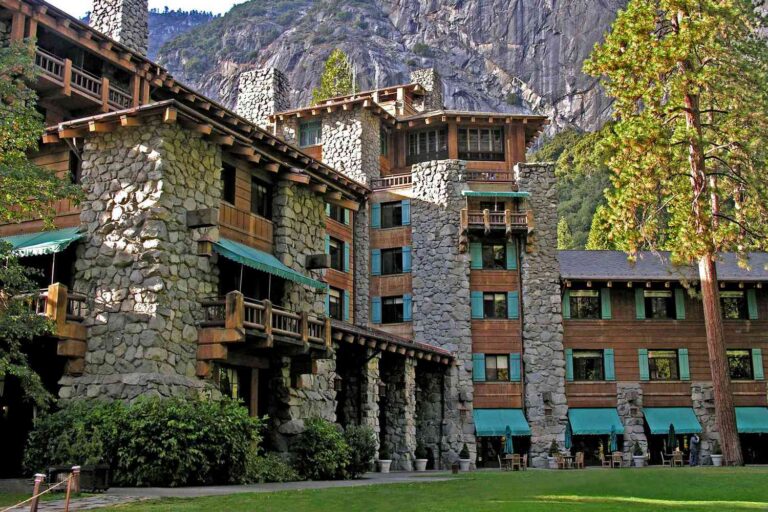
Best Secluded Estate Hotels United States: Operational Infrastructure
The management and structural planning of low-density, high-acreage hospitality properties in isolated geographic locations require a unique set of skills. This work stands completely apart from the economics of traditional luxury resort development. Across the deep valley pockets of the American West, the protected coastal islands of the Atlantic, and the densely forested ridges of the Appalachian chain, developing isolated luxury real estate is exceptionally complex. Consequently, evaluating these multi-acre architectural footprints cannot be approached through the lens of visual aesthetics or basic premium service checklists. Instead, these remote sanctuaries feature a challenging mix of fragile topographical placement and completely decentralized infrastructure setups.
When investment funds, family offices, or premium hospitality management groups review isolated luxury assets, they frequently misjudge hidden operational friction. This friction remains deeply embedded within remote microclimates. A traditional urban luxury hotel or a well-connected suburban resort relies on stable, predictable soil structures. Furthermore, these mainstream properties benefit from immediate connections to public city utility networks and highly scalable local supply lines. Conversely, an isolated wilderness asset functions on a model of geographic separation and strict physical resource limits.
True structural and commercial stability within this elite property niche cannot be achieved through typical residential construction practices. Similarly, standard building templates completely fail when applied to steep, isolated terrain. These basic methodologies consistently miscalculate the hidden, long-term operational drag of variable weather patterns, high wind speeds, and remote labor scarcity. Consequently, they lower real property values while exposing the physical structure to premature material decay. Instead, long-term asset protection relies on a structured, unbundled approach to site planning and mechanical design.
Understanding “best secluded estate hotels united states”

To construct an objective methodology for identifying and evaluating the best secluded estate hotels united states, asset managers must look past standard luxury lifestyle marketing. In the premium hospitality and real estate investment sectors, an elite remote property operates as a highly specialized, self-contained utility system. This system grants a designated group comprehensive, time-delimited spatial rights over specific isolated terrains, critical wildlife buffers, and fragile ecosystems. Therefore, it requires an analytical approach. This perspective clearly separates basic high-end residential comfort from the rigorous technical, legal, and structural engineering coordination of an estate’s physical capacities.
Common design errors occur when developers apply traditional, flat-land construction templates to complex, isolated terrain. A typical city-center property features uniform foundation footprints and direct, highly reliable connections to public municipal utility grids. Conversely, an isolated-grade asset operates on an asset-scarcity and high-environmental-strain model. In this environment, a resilient operational plan must track and manage hidden background operational elements. For instance, management must continuously audit the structural weight capacities of heavy timber roofs under deep snow loads. Additionally, they must monitor local avalanche paths, decentralized sub-surface drainage lines, and the logistical travel times of maintenance crews across remote mountain passes during winter weather events.
Evaluating these comprehensive packages demands an in-depth review of advanced property management databases, civil engineering surveys, and local land conservation easements. Standard consumer real estate evaluations focus almost entirely on frontend visual elements. These typically include panoramic wilderness views, custom interior woodwork, and premium kitchen finishes. However, an institutional assessment requires measuring the underlying engineering and financial logic of the entire build. Specifically, it tests the estate’s ability to handle extreme temperature fluctuations without pipe fractures. It also monitors its capacity to isolate private off-grid power banks, manage automated snow-melting driveway grids, and enforce strict wildfire mitigation defensible zones around the main building envelope. Analyzing an isolated compound without calculating these baseline boundaries leads to broken financial models and sudden, catastrophic structural disruptions.
Deep Contextual Background
The economic and structural models governing isolated luxury estate design in the United States have transitioned through several distinct development phases over the past century. During the late nineteenth and early twentieth centuries, premium mountain and coastal retreats operated as primitive, seasonal wilderness camps for concentrated industrial wealth. Within these properties, such as the Great Camps of the Adirondacks or early logging manors in the Pacific Northwest, logistically complex access was controlled by private private rail lines and basic dirt carriage roads. The concept of an all-inclusive, climate-controlled winter compound did not exist. Instead, these properties functioned strictly as summer hunting lodges and rustic social gathering spots, where physical comfort relied entirely on simple wood-burning fireplaces, local spring water, and high-intensity manual labor.
By the mid-twentieth century, the rapid expansion of civil engineering capabilities and the post-war construction of the Interstate Highway System transformed remote land access. This shift introduced formal civil engineering and structured subdivision layouts to sensitive wilderness zones for the first time. Early developers tried to build large mountain and coastal homes using standard suburban framing techniques and basic municipal utility configurations. Resort operators quickly learned that these early modern builds struggled with severe structural design limitations. They relied on standard metal fasteners that suffered from massive rust failures under coastal salt-spray conditions. Furthermore, they used basic shallow foundations that cracked quickly when subjected to the intense frost-heaving forces of high-altitude soils.
In the modern era, this sector is defined by total digital automation, advanced structural engineering, and strict regional environmental regulations. The modern isolated compound can no longer function as an unmonitored cabin in the woods. The rise of extreme weather volatility, widespread wildfire threats across the Western United States, and the growth of remote executive work require these properties to incorporate advanced cybersecurity firewalls, off-grid power microgrids, and space-age fire-suppression systems. This transformation has turned isolated estate management into a highly technical, data-driven discipline. Consequently, operators now use advanced structural insulation panels, automated building management systems, and non-combustible architectural materials to guarantee absolute operational control and long-term asset survival.
Conceptual Frameworks and Mental Models
Successfully managing and evaluating structural operations across an expansive isolated estate footprint requires specialized cognitive frameworks. Standard suburban residential models fail because they do not account for the complex interactions between preservation limits, environmental regulations, and modern luxury operations.
The Spatial Interface Isolation Paradox
This model analyzes the structural tension that occurs when a high-occupancy guest booking accidentally restricts access to secondary revenue spaces across the estate. For example, booking a large family gathering into a central manor house wing can inadvertently block access to adjacent historic wine cellars. Consequently, it might also close off private tasting rooms or formal gardens for other independent guests. Therefore, this framework helps reservation managers identify and avoid these hidden layout conflicts. As a result, it ensures that high room occupancy in one zone does not cause a revenue drop in neighboring parts of the property.
The Ecosystem Load Satiation Threshold
This framework measures the physical and operational strain that a specific reservation structure places on an estate’s decentralized infrastructure. Unlike modern commercial hotels with scalable municipal utility connections, an isolated estate features fixed utility limits. The Asset Load Satiation Threshold calculates the exact utility and labor draw of any booking pattern. Consequently, this helps operators prevent system overloads across three critical baselines:
-
Hydrological Capacity: This tracks the real-time drawdown and recovery rates of private deep-well aquifers during peak residential use periods.
-
Geotechnical Friction Coefficient: This measures the structural stress placed on retaining wall anchoring systems during rapid snowmelt or tidal shift events.
-
Thermal Dissipation Rate: This monitors the energy efficiency of closed-loop geothermal fields under continuous, sub-zero heating or high-humidity cooling loads.
The High-Altitude Margin Preservation Index
Elite estate hotels face unique financial vulnerabilities that scale with geographic isolation, regional weather patterns, and the long-term maintenance needs of historic architecture. This mathematical mental model balances upfront contractual deposits against real operational costs to predict revenue stability during peak booking periods, calculated as follows:
Key Infrastructure Tiers and Spatial Asset Variations
The physical design of an elite isolated estate hotel is organized across several distinct technical and architectural categories. Each area presents unique challenges, specialized maintenance needs, and specific financial trade-offs.
High-Performance Enterprise Data Infrastructure
This sector governs the estate’s digital capabilities, including symmetric gigabit fiber lines, property-wide cat-6e wiring, outdoor Wi-Fi cell arrays, and dedicated server rooms. Network setups require strict isolation protocols, automated failover links, and encrypted signal paths. However, the primary challenge is installing modern high-speed data lines through thick historic stone walls or over rugged terrain without disrupting local wildlife habitats or violating mountain preservation codes.
Isolated Physical Security and Perimeter Integrity
This category covers the physical security measures protecting the estate’s boundaries, load-in zones, and executive accommodations. Systems rely on thermal cameras, electronic gate locks, and private security monitoring stations. Therefore, the main operational challenge is maintaining a high-security perimeter that shields executive guests from public view without making the property feel restrictive or compromising its tranquil natural atmosphere.
Advanced Climate Control and Acoustic Isolation
This field manages the indoor environments of historic boardrooms, banquet spaces, and presentation halls. Systems utilize quiet, variable refrigerant flow climate units, active air-filtration layers, and secondary acoustic glazing. The main challenge is providing constant fresh-air exchange and blocking outside noise, which is particularly difficult in old timber-framed or masonry structures that were originally built without modern climate or sound insulation.
Isolated Property Infrastructure Capability Comparison
| Infrastructure Category | Core Technical Threat | Primary Deployment Tool | Regulatory Exposure | Risk of Operational Interruption |
| Data Networks | Signal drops & unencrypted intercepts | Symmetric fiber with satellite failover | High; Global Data Privacy Laws | Extreme; Disrupted video conferences & data leaks |
| Physical Security | Public intrusions & unvetted access | Thermal camera loops & electronic gates | Advanced; Local Privacy Codes | High; Security breaches during private summits |
| Climate & Acoustics | Overheating & outside sound bleeds | Quiet VRF units & acoustic glazing | Moderate; Local Building Codes | Moderate; Poor presentation quality & guest discomfort |
| Power Distribution | Breaker trips & power fluctuations | Isolated clean-power backup loops | High; Regional Electrical Codes | Extreme; Audio-visual failures during live sessions |
Decision Logic for Venue Selection
Corporate procurement teams and private asset managers use strict decision trees when analyzing properties for intimate events. If an isolated estate lacks dedicated backup power systems, symmetric data connections, or verified physical boundary controls, the selection logic changes immediately. The system flags the property as an unacceptable risk and eliminates it from the pool of the best secluded estate hotels united states.
Conversely, if a property meets all technical, security, and utility criteria while offering a distinct natural setting, the logic approves it. The system then moves the property to the final vetting stage. This structured evaluation ensures that aesthetic preferences never compromise the core security, connectivity, or operational success of the small-group gathering.
Detailed Real-World Scenarios
Scenario 1: The Executive Boardroom Power Failure (Wiltshire, UK)
A multinational technology company hosts its annual partner summit at a historic country estate hotel without auditing the venue’s electrical distribution network.
-
Operational Constraints: The estate features a converted eighteenth-century barn used as the main presentation hall, running on a legacy electrical grid with no dedicated backup generator.
-
Decision Points: The production crew sets up heavy LED displays, studio lighting arrays, and high-draw catering kitchens on the same circuit loop, skipping an on-site engineering review. During the opening executive presentation, the total power draw surges 35% above the circuit’s capacity.
-
Failure Modes & Second-Order Effects: The main circuit breaker trips repeatedly, damaging the production team’s video encoding gear and cutting power to the venue’s main data routers. Consequently, the meeting is delayed by six hours. This delay forces executives to cancel critical strategic sessions and causes a major breach of the venue’s operational service level agreement.
Scenario 2: The Unsecured Wireless Data Leak (Silicon Valley, CA)
An independent venture capital firm uses a luxury vineyard estate hotel for a confidential product development retreat, relying on a shared guest Wi-Fi network.
-
Operational Constraints: The property features decentralized guest cottages and outdoor meeting spaces connected to a single unencrypted wireless network.
-
Decision Points: Management fails to set up an isolated network for the corporate group, allowing guests, vendors, and public restaurant visitors to share the same digital space. During a strategic afternoon session, a bad actor intercepts unencrypted data traffic from the main boardroom.
-
Failure Modes & Second-Order Effects: Proprietary product designs and corporate financial plans are leaked online, leading to immediate regulatory investigations and a drop in the firm’s market value. Furthermore, the security failure results in an immediate contract cancellation, legal claims against the estate’s parent brand, and a permanent loss of corporate event business.
Scenario 3: The Successful High-Security Summit (Kyoto, Japan)
A global automotive group successfully organizes a confidential executive board summit by selecting an estate hotel featuring a fully integrated, unbundled security and utility layout.
-
Operational Constraints: The property contains historic wooden pavilions and modern meeting facilities that require absolute privacy and zero interference from nearby public paths.
-
Decision Points: The corporate security team uses the venue’s dedicated fiber lines, locks down the outer boundaries with electronic gate networks, and runs all presentation gear off clean, isolated backup power.
-
Failure Modes & Second-Order Effects: The summit is completed without a single technical error, information leak, or access issue. By keeping corporate data and physical movements completely isolated, the hotel protects its enterprise client and maintains its standing as a top-tier corporate venue.
Planning, Cost, and Resource Dynamics
Maintaining an effective strategy for hosting small groups requires a detailed financial model. This system must balance upfront venue rental fees against hidden operational overhead, technical setup surcharges, and long-term asset management reserves. Standard corporate travel budgets often fall short because they underestimate the true cost of setting up high-performance enterprise systems in remote areas.
Direct, Indirect, and Opportunity Costs
Direct costs are clearly visible on initial venue invoices. These include private estate buyout fees, dedicated IT tech support retainers, luxury catering minimums, and specialized equipment transport. Indirect costs are harder to track but equally critical. For example, these include the staff hours spent auditing third-party vendors, the costs of maintaining regional safety certifications, and specialized legal fees for drafting enterprise liability waivers. Additionally, operators face an opportunity cost if they lock up their entire inventory for low-yield corporate bookings, cutting off potential high-margin social event revenue during peak travel seasons.
Comprehensive Annual Corporate Event Capital Projections
| Financial Allocation Sector | Baseline Remote Tier ($) | Advanced Unbundled Tier ($) | Ultra-Exclusivity Buyout Tier ($) |
| Core IT & Data Infrastructure | $18,000 – $42,000 | $35,000 – $85,000 | $75,000 – $190,000 |
| Physical Security & Boundary Tech | $10,000 – $25,000 | $22,000 – $60,000 | $50,000 – $135,000 |
| Acoustic & Climate Engineering | $12,000 – $30,000 | $28,000 – $75,000 | $65,000 – $160,000 |
| Legal Compliance & SLA Vetting | $5,000 – $12,000 | $12,000 – $35,000 | $30,000 – $85,000 |
| Long-Term Capital Upkeep Funds | $60,000 – $150,000 | $110,000 – $280,000 | $220,000 – $550,000 |
Tools, Strategies, and Support Systems
Optimizing an estate’s corporate hosting capabilities requires combining high-performance communication systems, secure asset tracking software, and structured compliance manuals.
-
Symmetric Gigabit Fiber Networks with Satellite Backup: High-speed internet lines backed up by automated satellite links ensure constant connectivity during critical video sessions.
-
Isolated Multi-Zone Wi-Fi Management Platforms: Advanced enterprise network software allows IT teams to create secure, encrypted wireless zones for individual corporate groups.
-
Perimeter Thermal Imaging Camera Networks: High-definition security cameras monitor the estate’s boundaries, providing clear night-vision tracking without needing bright spotlights.
-
Clean-Power UPS Backup Distribution Panels: Dedicated electrical systems smooth out power fluctuations, providing seamless backup energy to sensitive presentation gear.
-
Acoustic Sound Masking and Glazing Systems: Specialized structural sound-insulation materials keep historic boardrooms completely private and free from outside noise.
-
Automated Asset Management and Logistics Engines: Advanced tracking software links real-time room availability with staff deployment schedules, eliminating service delays across remote areas.
Risk Landscape and Failure Modes
The operational hazards of managing high-stakes corporate hosting are closely connected. A single software glitch or unmonitored power bottleneck can quickly trigger cascading technical, financial, and regulatory crises across the entire property.
Unmonitored Network Latency and Signal Drops
When an estate’s data systems fail under the heavy data loads of an executive retreat, video conferences drop and data transfers stall. In high-stakes enterprise travel, these technical failures can halt critical business decisions. The resulting delays often lead to broken contracts, legal claims over service level agreements, and severe damage to the hotel’s market standing.
Physical Boundary Breaches and Privacy Failures
Many elite corporate events require absolute confidentiality to protect trade secrets and sensitive business plans. If an estate’s security team fails to monitor side access gates, unauthorized individuals can take photos or overhear discussions. These privacy leaks can compromise major business deals and trigger corporate lawsuits against the hotel brand.
Power Fluctuations and Equipment Damage
Connecting delicate presentation systems and heavy staging gear to unconditioned legacy electrical outlets can cause immediate system instability. Power dips or surges can burn out expensive video switchers, blow out projection lamps, and corrupt data servers. Fixing these failures requires hiring emergency engineers or renting backup gear at high premium rates, destroying the event’s profit margins.
Governance, Maintenance, and Long-Term Adaptation
To protect an estate hotel from operational drift and technical obsolescence, owners must set up a formal property governance framework. This system ensures continuous engineering oversight, accurate vendor tracking, and proactive risk control across the property’s commercial lifecycle.
Operational Review Cycles
-
Weekly Data Network Integrity and Firmware Audits: Technical teams perform regular sweeps of all firewalls, router links, and access controllers to guarantee total digital security.
-
Monthly Power Grid and Generator Load Evaluations: Engineering directors conduct detailed checks matching backup generator performance against upcoming corporate electrical needs to prevent power failures.
-
Quarterly Contractual Document and SLA Vetting Assessments: Legal advisors complete thorough reviews of all corporate buyout contracts, liability waivers, and non-disclosure templates to maintain strong legal protection.
-
Annual Infrastructure Capital Investment Plan Updates: Executive boards run strategic reviews matching current corporate revenue against the property’s 10-year tech upkeep needs, keeping maintenance reserves fully funded.
Small-Group Operational Compliance Checklist
To maintain operational integrity, properties must enforce a comprehensive asset adaptation protocol. This structured approach divides critical checks across distinct infrastructural baselines:
-
Enterprise Network Architecture:
-
IT directors verify network isolation rules to guarantee that corporate data streams are fully separated from public guest traffic.
-
Technical staff run automated data link failover tests to confirm that backup satellite networks connect within five seconds of a primary fiber line drop.
-
-
Physical Security & Boundary Controls:
-
Security supervisors execute perimeter thermal camera realignments to eliminate blind spots along remote tree lines and boundary walls.
-
Access leads check electronic gate lock systems to ensure all entry points log visitor data accurately.
-
-
Power & Climate Stabilization:
-
Chief engineers complete clean-power distribution panel audits to protect sensitive presentation gear from voltage spikes.
-
HVAC leads run boardroom fresh-air volume calculations to ensure positive-pressure climate controls maintain guest comfort during long meetings.
-
Measurement, Tracking, and Evaluation
Evaluating the success of a corporate hosting program requires looking past basic monthly guest survey scores. Management must track clear leading and lagging indicators to ensure that daily operations never compromise data security, legal compliance, or corporate safety standards.
Corporate Program Performance Tracking Indicators
| Evaluation Indicator Classification | Specific Measurement Metric | Target Performance Benchmark | Data Capture Methodology |
| Quantitative Technical | Network Signal Uptime Rate | 99.99% operational availability | Running continuous automated ping tests on the main boardroom servers |
| Quantitative Operational | Power Supply Amperage Stability | Zero voltage dips or drops | Using digital meters attached directly to the main clean-power breaker loops |
| Qualitative Guest Experience | Technical Logistics Flow Grade | Higher than 97% positive score | Analyzing feedback forms regarding video-link quality and boardroom comfort |
| Qualitative Compliance | NDA Agreement Coverage Level | 100% of staff and vendors vetted | Conducting weekly audits of HR files to verify active confidentiality agreements |
Practical Examples of Corporate Hosting Documentation
To ensure smooth operational transitions through staffing transitions or management updates, the estate’s engineering office must maintain three core foundational records:
The Master Enterprise Data Network Architecture Map: A detailed technical blueprint documenting the precise paths of all fiber-optic cables, wireless routers, server nodes, and network firewall layers across the estate.
The Integrated Corporate Security and Boundary Control Manual: A formal operational guide detailing the guard schedules, thermal camera views, gate access codes, and emergency lockdown steps for the property.
The Clean-Power Distribution and Utility Load Balance Ledger: A certified engineering manual outlining the exact breaker capacities, backup generator links, and electrical load limits for every boardroom and presentation space on the grounds.
Common Misconceptions and Oversimplifications
-
Myth: Restoring an isolated cabin or lodge is enough to make a property one of the best secluded estate hotels united states. Correction: High-end corporate groups require deep infrastructure. Visual restoration must be accompanied by symmetric fiber data lines, isolated networks, and dedicated clean-power distribution panels to support corporate workloads.
-
Myth: A high-speed residential internet connection is sufficient to handle major executive board retreats. Correction: Corporate events involve heavy video conferencing, secure data uploads, and multi-device connections that overwhelm residential lines. Venues require symmetric enterprise-grade fiber networks with automated satellite backups.
-
Myth: Sering mengganti password Wi-Fi adalah satu-satunya langkah untuk mengamankan data rahasia perusahaan. Correction: Simple password changes do not prevent data interception on shared networks. True security requires building isolated virtual networks, deploying advanced firewalls, and using encrypted signal paths.
-
Myth: Standard hotel catering packages can meet the strict timing needs of executive corporate summits. Correction: Executive schedules are rigid and shift rapidly based on meeting progress. Culinary programs must use unbundled, flexible kitchen systems that adjust food service windows in real time without dropping quality.
-
Myth: Any estate with a perimeter fence can guarantee total privacy for high-profile executive groups. Correction: True privacy requires proactive boundary control. This includes perimeter thermal cameras, electronic entry gates, and strict staff non-disclosure compliance protocols to block unauthorized views.
-
Myth: Using corporate retreat packages from standard travel agencies provides sufficient operational safety. Correction: Generic packages often omit critical clauses regarding technical uptime rules, data privacy standards, and power backup requirements. Enterprise events demand custom, unbundled service contracts tailored directly to the property’s infrastructure.
Ethical, Practical, or Contextual Considerations
The execution of high-occupancy corporate retreats at elite isolated estate hotels often creates complex socioeconomic dynamics within surrounding rural or historic communities. When an international enterprise locks down an entire property for exclusive buyouts, it can disrupt local traffic and restrict community access to historic areas. To balance business revenue with responsible neighborly relations, forward-thinking estate directors build community integration guidelines into their operational plans. By sourcing event catering from regional farms, hiring local security teams, and funding local historical preservation projects, the estate protects its corporate clients’ privacy while remaining a valued member of the host region.
From an environmental standpoint, running high-performance corporate events across a decentralized estate requires close attention to natural resource conservation and energy efficiency rules. Powering large production displays, running high-capacity backup generators, and maintaining intense climate control systems can easily strain local power grids. Modern estate programs handle these issues by integrating sustainable green practices directly into their utility frameworks. Using battery-assisted solar power arrays, installing high-efficiency VRF climate controls behind historic walls, and setting up centralized composting programs allows the venue to support demanding corporate events while actively protecting the local environment.
Conclusion
Successfully organizing an institutional approach to corporate hosting at elite properties requires looking far beyond basic room pricing adjustments and scenic marketing views. These unique properties represent a delicate balance of technical infrastructure, network security, and capital management. As global data protection laws grow stricter and corporate safety expectations continue to rise, the commercial value of an isolated luxury venue will depend heavily on its network isolation, power system resilience, and proactive risk management. For property directors, corporate procurement officers, and asset owners alike, a commitment to rigorous infrastructure planning ensures that the estate remains a functional and highly secure sanctuary for the long term.