Best Scenic Estate Hotels United States: An Operational and Architectural Analysis
The intersection of historic residential architecture and commercial hospitality presents a highly complex operational landscape. In the United States, properties that transition from private dynastic holdouts to luxury destination enclaves are frequently analyzed through an aesthetic or experiential lens. However, this superficial evaluation ignores the systemic challenges inherent in managing these sprawling physical assets. To understand the best scenic estate hotels united states, one must look beyond the curated marketing portfolios. Instead, it is necessary to examine the underlying structural engineering, historical land preservation mandates, microclimate vulnerabilities, and complex supply chain logistics that sustain these institutional-grade hospitality operations.
Sustaining a premium estate hotel requires balancing two competing priorities: preserving architectural authenticity and meeting modern infrastructural demands. For example, retrofitting a century-old Gilded Age manor with enterprise-grade climate controls and high-capacity waste management systems presents severe structural risks. These challenges are further complicated when properties are located in ecologically sensitive or geographically isolated regions. Consequently, the operational reality of these estates involves an ongoing battle against physical degradation. Property teams must navigate complex local zoning boards, strict historic preservation acts, and volatile municipal utility networks.
Furthermore, the economic architecture of these destination properties operates on completely different cycles than standard urban hotels. Their financial viability is directly tied to the preservation of their surrounding viewsheds and regional land ecosystems. If a scenic viewshed is compromised by external real estate development or ecological neglect, the property’s primary value proposition diminishes rapidly. Therefore, this comprehensive analysis establishes an analytical framework for evaluating these elite properties. It treats them not merely as lodging venues, but as complex corporate entities requiring sophisticated governance, capital reserve planning, and long-term risk mitigation strategies.
Understanding “best scenic estate hotels united states”
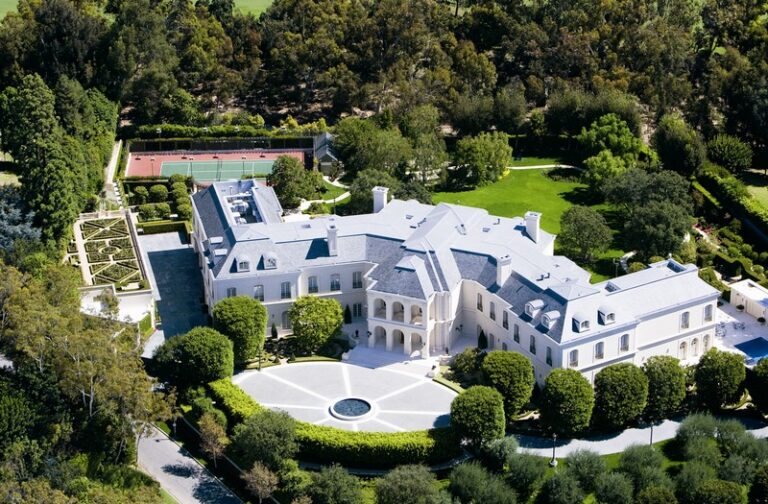
Evaluating the best scenic estate hotels united states requires a clear taxonomy that separates standard luxury resorts from true historic estate hotel conversions. In the super-prime hospitality market, a property cannot earn estate classification simply by expanding its acreage or adding premium landscaping. Instead, the asset must possess a clear residential provenance. It should feature non-reproducible architectural details and exercise absolute control over its surrounding topography. This unique combination establishes a distinct barrier to market entry, protecting the property from nearby competitive developments.
Common misunderstandings occur when traditional hospitality analysts apply standard urban occupancy metrics to these sprawling destination assets. For example, a typical luxury city hotel relies heavily on high room velocity, predictable corporate group bookings, and standard revenue per available room (RevPAR) optimizations. Conversely, an estate-grade hotel operates on an asset-preservation model. In this setup, guest volume is often intentionally limited to reduce wear on fragile historical materials and historic flooring. Therefore, revenue generation must be diversified through specialized auxiliary programs, private event buyouts, agricultural production partnerships, and elite club memberships.
Oversimplification risks are particularly severe when evaluating property values. Standard real estate appraisals rely on recent local comparable sales. However, an estate featuring grandfathered water rights, private mountain access, or historic architectural protections defies simple linear calculations. The valuation of these assets is deeply tied to their scarcity and their structural isolation from macro-market disruptions. Attempting to analyze or manage these hotels without mapping their underlying legal frameworks—such as complex conservation easements and historic preservation tax covenants—leads to flawed capital allocation strategies and systemic operational errors.
Deep Contextual Background
The evolution of institutional-grade estate hotels in the United States follows the nation’s shifting patterns of wealth accumulation, transportation infrastructure, and land conservation. During the Gilded Age and the early twentieth century, America’s industrial magnates constructed massive residential compounds modeled after European aristocratic estates. These properties were concentrated in highly insulated enclaves, such as the Hudson Valley, the Berkshires, the coastal islands of Georgia, and the rugged shores of Rhode Island. They were designed as private sanctuaries, relying on cheap labor and cheap fuel to maintain their massive architectural scale.
However, the introduction of the federal income tax in 1913 and the subsequent economic shifts of the Great Depression disrupted the financial viability of private multi-generational estates. Consequently, many families faced severe capital constraints, leading them to transfer these properties to conservation trusts, religious organizations, or hospitality developers. The estate hotels that emerged from this transition had to completely reimagine their interior footprints. Private ballrooms became public dining rooms, carriage houses were converted into guest suites, and formal gardens were adapted to support commercial guest recreation.
In the contemporary era, this evolution is driven by an institutional focus on absolute environmental isolation and advanced infrastructural autonomy. The modern high-net-worth traveler increasingly seeks out destinations that offer deep privacy and integration with pristine natural landscapes. As a result, the best scenic estate hotels united states have evolved from historic curiosities into advanced, self-sustaining operational nodes. These properties utilize sophisticated building management systems, independent clean-energy microgrids, and localized agricultural networks to insulate themselves from municipal infrastructure failures and broader regional environmental changes.
Conceptual Frameworks and Mental Models
Analyzing these complex physical and commercial assets requires specialized cognitive frameworks. Standard hospitality models fail because they overlook the unique interactions between land preservation, structural degradation, and premium asset valuation.
The Viewshed Monopoly Matrix
True asset protection in the scenic estate sector depends on the property’s ability to maintain a total monopoly over the guest’s visual field. This framework assesses the property across three primary geographic boundaries:
-
The Immediate Footprint: The historic building zone and formal gardens under direct operational control.
-
The Buffer Horizon: Adjacent parcels secured through direct ownership or restrictive conservation easements to prevent competitive commercial real estate development.
-
The Macro Viewshed: Distant topographical features, such as mountain ridges or coastal coastlines, protected by state or federal environmental regulations.
The Architectural Parasite Balance
This model evaluates the tension between the historic building shell and the modern mechanical infrastructure required for luxury hospitality. The modern systems operate like a parasite within the historic host structure. Specifically, adding high-capacity HVAC ductwork, commercial kitchen fire suppression systems, and enterprise data fiber-optics must not compromise the load-bearing integrity or moisture-wicking capabilities of historic masonry and timber framing.
The Seasonal Capital Dampener
Scenic estate hotels are highly exposed to seasonal weather patterns and regional climate variations. This financial mental model balances peak-season revenue generation against the fixed overhead costs maintained during off-peak operational low periods, as modeled below:
Key Categories and Architectural Variations
The best scenic estate hotels united states are diversified across several distinct geographic and architectural typologies. Each category possesses unique operational requirements, structural trade-offs, and environmental vulnerabilities.
Coastal Maritime Manors
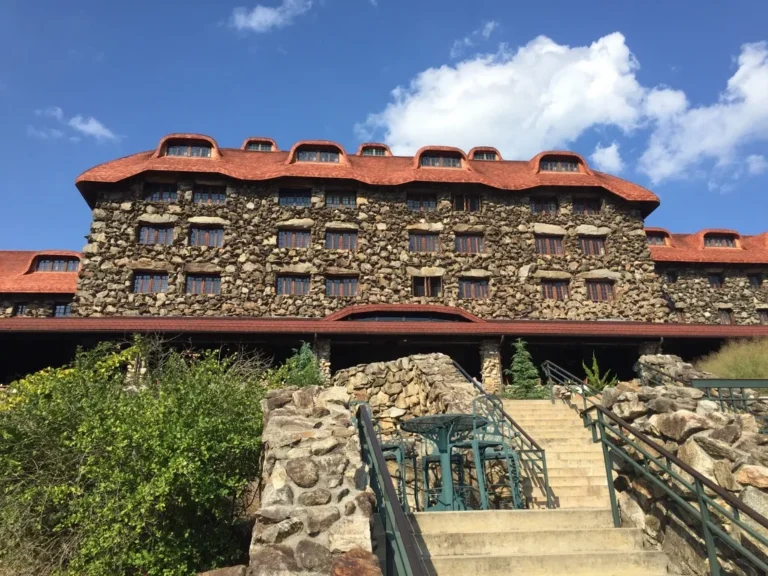
Concentrated along the Atlantic and Pacific coastlines, these estates include historic Newport mansions and Pacific Northwest wilderness lodges. Their primary value driver is direct water frontage and dramatic maritime viewsheds. However, this location exposes the property to extreme marine atmospheric corrosion, continuous salt-loading on exterior envelopes, and complex regulations from coastal zone management authorities.
Mountain and Alpine Compounds
Situated in regions like the Rocky Mountains, the Sierra Nevada, and the Blue Ridge chain, these properties prioritize vast wilderness acreage and rugged isolation. Structural engineering for these assets must account for extreme snow loads, specialized seismic events, and advanced wildfire mitigation zones. Operationally, they require dedicated, on-site heavy machinery to maintain access roads during winter weather events.
Agrarian and Pastoral Estates
Found throughout the rolling hills of Virginia, the valleys of Vermont, and the wine regions of California, these properties combine luxury hospitality with active agricultural operations. They utilize working vineyards, organic farms, and livestock facilities to create a holistic guest experience. The primary operational challenge involves managing the intersection of commercial farming logistics with premium hospitality guest relations.
Gilded Age Lakeside Retreats
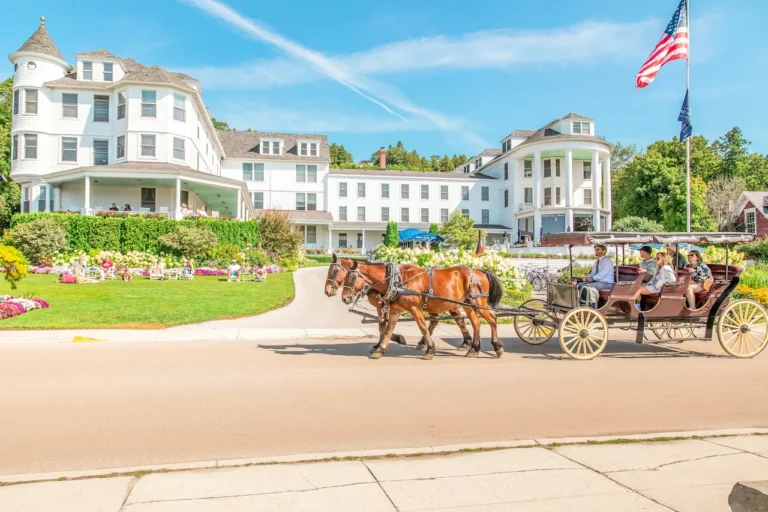
Located in historic summer corridors like the Adirondacks, the Finger Lakes, and the mountain lakes of New Hampshire, these estates feature historic timber architecture and private shoreline networks. They rely heavily on seasonal summer tourism cycles. Consequently, they require specialized winterization protocols to protect historic wood structures from freeze-thaw degradation.
Comprehensive Property Typology Comparison
| Estate Typology | Core Architectural Material | Primary Environmental Threat | Critical Regulatory Overseer | Optimal Operating Window |
| Coastal Maritime | Historic Stone & Mortar | Salt-Air Corrosion; Storm Surge | Coastal Commission / FEMA | May to October |
| Mountain Alpine | Heavy Timber & Granite | Wildfire; Foundation Shifting | US Forest Service / Local Zoning | Year-Round (Dual-Peak) |
| Agrarian Pastoral | Timber Framing & Brick | Groundwater Contamination; Drought | Department of Agriculture | April to November |
| Lakeside Retreat | Log Masonry & Shingle | Freeze-Thaw Splitting; Ice Dams | Local Watershed Boards | June to September |
Decision Logic for Asset Reinvestment
When directing capital into these asset variations, institutional owners utilize clear decision matrices to evaluate project viability. If the primary goal is rapid capital appreciation and high-velocity event revenue, capital is directed toward coastal maritime manors near established metropolitan centers.
Conversely, if the objective is long-term land banking and multi-generational brand equity, the logic dictates investing in large-scale mountain compounds or agrarian estates. In these typologies, the surrounding land mass acts as a permanent capital preserve, protecting the underlying asset value from localized urban sprawl.
Detailed Real-World Scenarios
Scenario 1: The Coastal Maritime Manor Retrofit (Newport, RI)
An iconic Gilded Age limestone estate operating as a 40-room ultra-luxury boutique hotel on a rocky coastal bluff.
-
Operational Constraints: The property features original unreinforced masonry walls and delicate plaster moldings that are subject to strict historic preservation mandates. These rules explicitly forbid visible exterior mechanical penetrations or modern drop-ceilings.
-
Decision Points: To maintain competitive luxury standards during increasingly hot summer months, the management team must install a comprehensive climate control upgrade. The engineering team must choose between threading flexible high-velocity micro-ducts through existing floor joists or installing a localized ductless VRF system hidden within custom built-in furniture.
-
Failure Modes & Second-Order Effects: The team selects the micro-duct path without performing comprehensive moisture-gradient modeling. Consequently, the cool air circulating through the uninsulated walls shifts the internal dew point. This triggers hidden condensation behind historic wood paneling, leading to mold growth and a costly multi-million dollar structural remediation project.
Scenario 2: The Alpine Wilderness Lodge Overhaul (Cascade Range, OR)
A historic log-and-stone mountain compound situated on 300 acres of isolated old-growth forest land.
-
Operational Constraints: The estate relies entirely on an independent mountain spring system for its potable water supply. It also uses a private septic array that operates under a highly restrictive state environmental discharge permit.
-
Decision Points: During a peak autumn corporate buyout event, an early freeze compromises the main gravity-fed water delivery line from the spring basin. The property manager must decide whether to truck in water reserves at a high cost or temporarily divert raw lake water through the property’s filtration array.
-
Failure Modes & Second-Order Effects: The manager chooses to divert lake water without upgrading the system’s micron filtration membranes. As a result, organic particulates bypass the system, fouling the commercial kitchen’s reverse-osmosis units and forcing a total shutdown of the estate’s dining operations during the high-revenue event.
Scenario 3: The Agrarian Estate Expansion (Napa Valley, CA)
A working vineyard and historic farm compound featuring 35 guest cottages spread across rolling pastoral terrain.
-
Operational Constraints: The property operates in a high-risk wildfire zone. It is required by its insurance carrier to maintain a 100-foot defensible space clear of flammable vegetation around all guest structures.
-
Decision Points: To enhance the property’s scenic appeal, the landscape architecture team proposes planting historic olive groves and dense ornamental shrubbery directly adjacent to the premier guest cottages. Management must choose between approving this premium aesthetic design or strictly enforcing the bare gravel-and-succulent layouts required for maximum wildfire defense.
-
Failure Modes & Second-Order Effects: Management approves the ornamental landscaping to satisfy near-term guest preferences. Two years later, an ember shower from a regional wildfire ignites the ornamental bushes. The flames quickly breach the window seals of three premier cottages, resulting in total structural losses and a subsequent non-renewal from the property’s primary insurance provider.
Planning, Cost, and Resource Dynamics
Operating the best scenic estate hotels united states requires a structured financial framework that accounts for the extreme variability of rural and historic asset management. Standard commercial real estate budgets fail because they underestimate the compounding costs of environmental exposure and specialized craftsmanship.
Direct vs. Indirect Capital Allocations
Direct cost vectors are highly visible across standard balance sheets. These include seasonal labor recruitment, municipal property tax assessments, and raw utility consumption.
Conversely, indirect cost vectors present the greatest threat to long-term profitability. These encompass ongoing retainers for historic preservation consultants, specialized structural engineering fees, cyber-security infrastructure for high-profile guests, and the significant opportunity cost of maintaining massive liquid cash reserves to fund unpredictable emergency structural repairs.
Comprehensive Capital and Operational Expense Projections
| Cost Center Allocation | Coastal Manor Tier ($) | Mountain Alpine Tier ($) | Agrarian Pastoral Tier ($) |
| Annual Structural Preservation Line | $250,000 – $600,000 | $300,000 – $750,000 | $150,000 – $400,000 |
| Specialized Marine/Alpine Insurance | $120,000 – $350,000 | $150,000 – $450,000 | $80,000 – $220,000 |
| On-Site Infrastructure Maintenance | $80,000 – $200,000 | $200,000 – $500,000 | $180,000 – $400,000 |
| Landscape Viewshed Stewardship | $90,000 – $250,000 | $120,000 – $300,000 | $250,000 – $700,000 |
| Artisanal Craftsmanship Reserves | $100,000 – $300,000 | $75,000 – $200,000 | $50,000 – $150,000 |
Tools, Strategies, and Support Systems
Managing these complex historic hospitality properties requires using specialized operational tools and modern architectural strategies.
-
Fiber-Optic Distributed Temperature Sensing (DTS): Linear fiber-optic cables installed along historic building envelopes to detect micro-temperature anomalies, identifying hidden electrical shorts or moisture insulation breaches before structural damage occurs.
-
Subterranean Closed-Loop Geothermal Fields: Deep thermal exchange arrays engineered beneath guest parking areas or formal lawns, decoupling the historic property’s heating and cooling architecture from volatile regional energy grids.
-
Historic Lime-Mortar Preservation Frameworks: Utilizing chemical analysis to replicate original nineteenth-century masonry formulations, ensuring that structural repairs match the breathability and flexibility of historic walls.
-
Drone-Assisted Photogrammetry Overlays: Scheduled autonomous drone flights designed to map exterior structural shifts, roof tile degradation, and viewshed encroachment down to the millimeter level.
-
Advanced Membrane Bioreactor Septic Facilities: On-site commercial waste treatment centers that allow isolated mountain and agrarian estates to purify and reuse wastewater for landscape irrigation without relying on municipal infrastructure.
-
Automated Hydronic Snow-Melting Paths: Sub-surface heating grids integrated beneath historic stone walkways, preventing ice accumulation and eliminating the need for corrosive chemical salts that degrade historic stonework.
Risk Landscape and Failure Modes
The vulnerabilities associated with operating the best scenic estate hotels united states are interconnected. A failure in one operational vector quickly triggers compounding crises across legal, financial, and physical domains.
Environmental and Viewshed Degradation
Properties that derive their value from natural scenery face immediate threats from regional environmental changes. For example, coastal estates experience accelerating bluff erosion and rising sea levels that compromise foundation piles.
Meanwhile, mountain and forest properties face severe viewshed degradation from regional bark beetle infestations and widespread tree mortality. These issues can transform a pristine green forest backdrop into a dead, gray wildfire hazard within a single season.
Insurance Exclusionary Spirals
The market for high-limit commercial property insurance in non-admitted and catastrophe-exposed regions is contracting rapidly. Consequently, estate hotels located in high-risk zones face exponential premium increases paired with expanding coverage exclusions.
If an estate loses its primary insurance coverage for windstorms, wildfires, or floods, its underlying institutional debt can be called into default. This forces owners into expensive, highly fragmented excess-line insurance syndicates that strain annual operational cash flows.
Legal and Conservation Easement Infractions
Many historic estates utilize strict conservation easements to secure property tax reductions. However, these legal agreements often restrict future property development, room expansions, or the construction of modern guest amenities like wellness spas and event pavilions.
Violating the precise terms of a land trust or historic covenant can trigger immediate legal injunctions, the clawback of decades of tax benefits, and permanent damage to the property’s brand equity.
Governance, Maintenance, and Long-Term Adaptation
To protect an institutional-grade estate hotel from structural decline and commercial obsolescence, owners must establish a formal property governance protocol. This structure treats the historic asset with strict operational discipline, utilizing clear review cycles and preventative checklist management.
Operational Review Cycles
-
Weekly Environmental Telemetry Sweeps: Real-time data analysis of internal relative humidity, foundation moisture sensor readings, and flow-testing of automated water shutoff valves.
-
Quarterly Building Envelope Audits: Systematic inspections of flashing connections, historic window seals, masonry pointing integrity, and structural chimney tie-backs.
-
Bi-Annual Viewshed Risk Assessments: Professional evaluations of adjacent property listings, regional zoning change applications, and forest canopy health within the core guest visual field.
-
Annual Legal and Covenant Compliance Alignments: Comprehensive audits of conservation easement terms, historic preservation tax requirements, local water rights allocations, and layered insurance tranches.
Measurement, Tracking, and Evaluation
Evaluating the performance of a scenic estate hotel requires looking beyond standard near-term profitability metrics. Property teams must track leading indicators of structural health alongside lagging indicators of financial performance to ensure long-term asset survival.
Financial and Operational Evaluation Indicators
| Metric Classification | Specific Evaluation Indicator | Target Benchmark Target | Data Capture Methodology |
| Quantitative Financial | Non-Room Revenue Contribution | Greater than 45% of total gross income | Auditing auxiliary program ledgers, retail, and estate events |
| Quantitative Financial | Structural Depreciation Offset Ratio | 1.2x clear capital reinvestment vs depreciation | Tracking capital expenditure allocations against annual depreciation schedules |
| Qualitative Operational | Historic Envelope Moisture Stability | Stable 40% to 55% internal relative humidity | Continuous monitoring via interior wireless sensor networks |
| Qualitative Operational | Viewshed Integrity Index | Zero unmitigated commercial structures in guest view | Annual visual mapping and analysis of surrounding parcel data |
Practical Examples of Property Documentation
To ensure operational continuity during management transitions or future asset transactions, the estate must maintain three core foundational record repositories:
The Structural Digital Twin Registry: A complete, as-built 3D digital model of the estate detailing the exact placement of every modern utility line, structural reinforcement, and hidden mechanical junction box inside the historic framing.
The Artisanal Material Lineage Ledger: A detailed log documenting the precise chemical compositions, sourcing origins, and specific artisan certifications for all historic stones, wood lumbers, and specialized exterior plasters used on the property.
The Grandfathered Entitlement Register: A master legal repository containing all original water rights decrees, historical zoning exemptions, private road access agreements, and conservation easement covenanted deeds that establish the property’s legal framework.
Common Misconceptions and Oversimplifications
-
Myth: Selecting the best scenic estate hotels united states depends solely on property travel reviews. Correction: Guest reviews focus entirely on front-of-house service and visual aesthetics. True estate excellence is determined by the asset’s structural health, its financial self-reliance, and its long-term control over its surrounding viewshed.
-
Myth: Converting a historic private manor into a luxury hotel is an efficient real estate strategy. Correction: Historic conversions are incredibly capital-intensive and legally restrictive. The cost per key to retrofit a historic mansion with commercial-grade infrastructure often exceeds the cost of constructing a brand-new luxury resort from the ground up.
-
Myth: Massive land holdings surrounding an estate hotel represent unproductive capital. Correction: Surrounding acreage serves as a vital operational buffer. It protects the property’s core asset value, controls the scenic viewshed, prevents competitive development, and often provides critical tax mitigations through active conservation easements.
-
Myth: Modern home-automation tools can be installed easily throughout historic hotels. Correction: Thick, historic unreinforced masonry walls and original plaster ceilings block standard wireless signals. Consequently, enterprise automation requires expensive, custom-threaded fiber-optic networks or specialized low-frequency mesh architectures to function reliably.
-
Myth: Historic preservation laws permanently prevent any modern property development. Correction: Preservation frameworks allow for adaptation if changes respect the core architectural provenance. Successful properties design modern structures—like wellness pavilions—to sit separate from the historic house, preserving the original building’s profile.
-
Myth: High seasonal room rates guarantee a property’s long-term financial health. Correction: High room rates during peak seasons can mask unsustainable fixed overhead costs and massive deferred maintenance liabilities. True financial health requires year-round revenue diversification and a well-funded capital reserve strategy.
Ethical, Practical, or Contextual Considerations
The operation of large-scale estate hotels in rural or isolated areas often creates complex socioeconomic dynamics within their host communities. These properties frequently acquire extensive tracts of land, which can limit regional real estate development and drive up local property taxes. Consequently, this trend can price out multi-generational local families. Furthermore, estate hotels often become the dominant employer in their municipalities. This concentration creates an economic imbalance, leaving the local workforce highly vulnerable to shifts in seasonal tourism patterns and macro-hospitality trends.
From an environmental standpoint, managing a premier destination estate requires balancing luxury guest expectations with regional resource conservation. Operating expansive formal gardens, PGA-grade golf courses, and high-capacity guest water systems in arid or ecologically sensitive areas can place severe strain on local aquifers. Therefore, sustainable property management requires a commitment to structural self-reliance. Modern operators must invest heavily in advanced rainwater harvesting networks, graywater recycling facilities, and on-site clean-energy microgrids to minimize their operational footprint on neighboring communities.
Conclusion
Successfully managing the best scenic estate hotels united states requires moving past standard hospitality paradigms. These properties are complex financial, architectural, and environmental systems that demand sophisticated institutional oversight. As climate patterns become more volatile and financial markets face shifting cycles, the long-term viability of these historic destination assets will depend less on traditional marketing strategies. Instead, success will be driven by structural resilience, adaptive infrastructure, strict viewshed protection, and rigorous capital asset preservation. By prioritizing thorough risk mitigation and long-term asset adaptation, owners can ensure these historic estates continue to thrive as premier destination assets for generations to come.