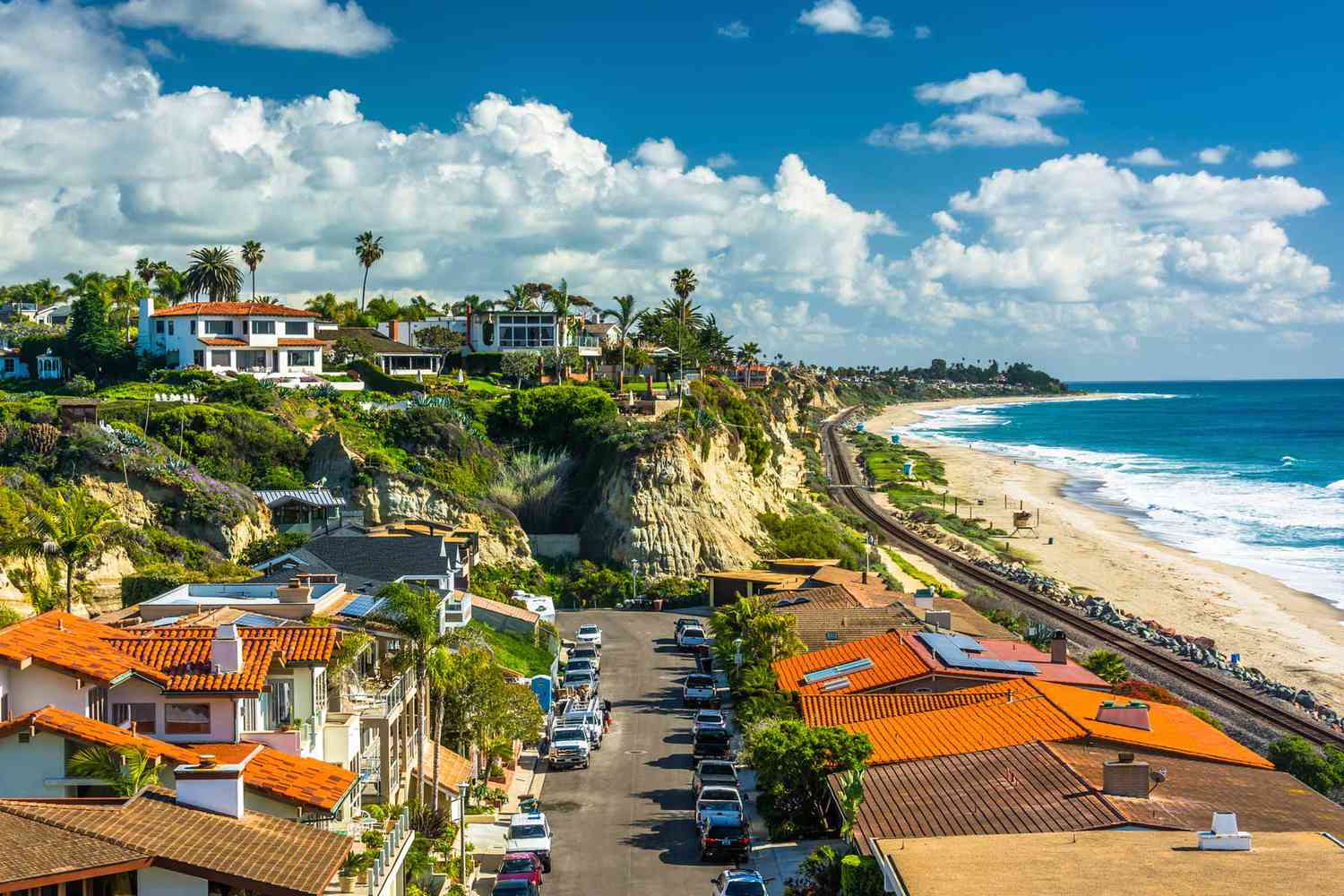
Top Coastal Estate Experiences in America: Operations and Architecture
The orchestration of high-capital hospitality, marine structural engineering, and long-term shoreline asset management within premium oceanfront compounds requires a specialized operational logic. This operational framework fundamentally departs from conventional inland luxury resort layouts. Across the craggy bluffs of the Pacific Northwest, the vulnerable barrier islands of the Atlantic seaboard, and the protected bays of the Hawaiian archipelago, marine-grade property development is highly complex.
Therefore, the architectural and operational framework governing these assets must function as a highly integrated system. This system must balance immediate residential or guest occupancy requirements against the long-term structural, financial, and environmental liabilities of the physical asset. When high-net-worth investors, luxury hospitality management groups, or specialized asset funds review premium shoreline real estate, they frequently misjudge the hidden operational friction embedded within maritime microclimates. A traditional countryside estate or private inland ranch relies on predictable, highly stable soil geology.
Conversely, a marine-grade asset functions on a model of constant environmental exposure and strict resource boundaries. Within this demanding environment, a single design oversight or an unmonitored infrastructure asset choice can instantly trigger catastrophic cascading utility drops. For instance, these errors can overload off-grid desalination reverse-osmosis plants, compromise fragile beachfront sand retention structures, or accelerate foundation undermining during seasonal storm surges. True structural and commercial stabilization within this elite property niche cannot be achieved through typical residential construction practices.
These basic methodologies consistently miscalculate the hidden long-term operational drag of salt-air corrosion, high wind shears, and volatile tidal movements. Consequently, they compress real asset valuations while exposing the physical structure to premature material decay. Instead, long-term asset protection relies on a structured approach to site planning and mechanical design. Property developers and engineering teams must systematically categorize spatial topographies.
Understanding “top coastal estate experiences in america”
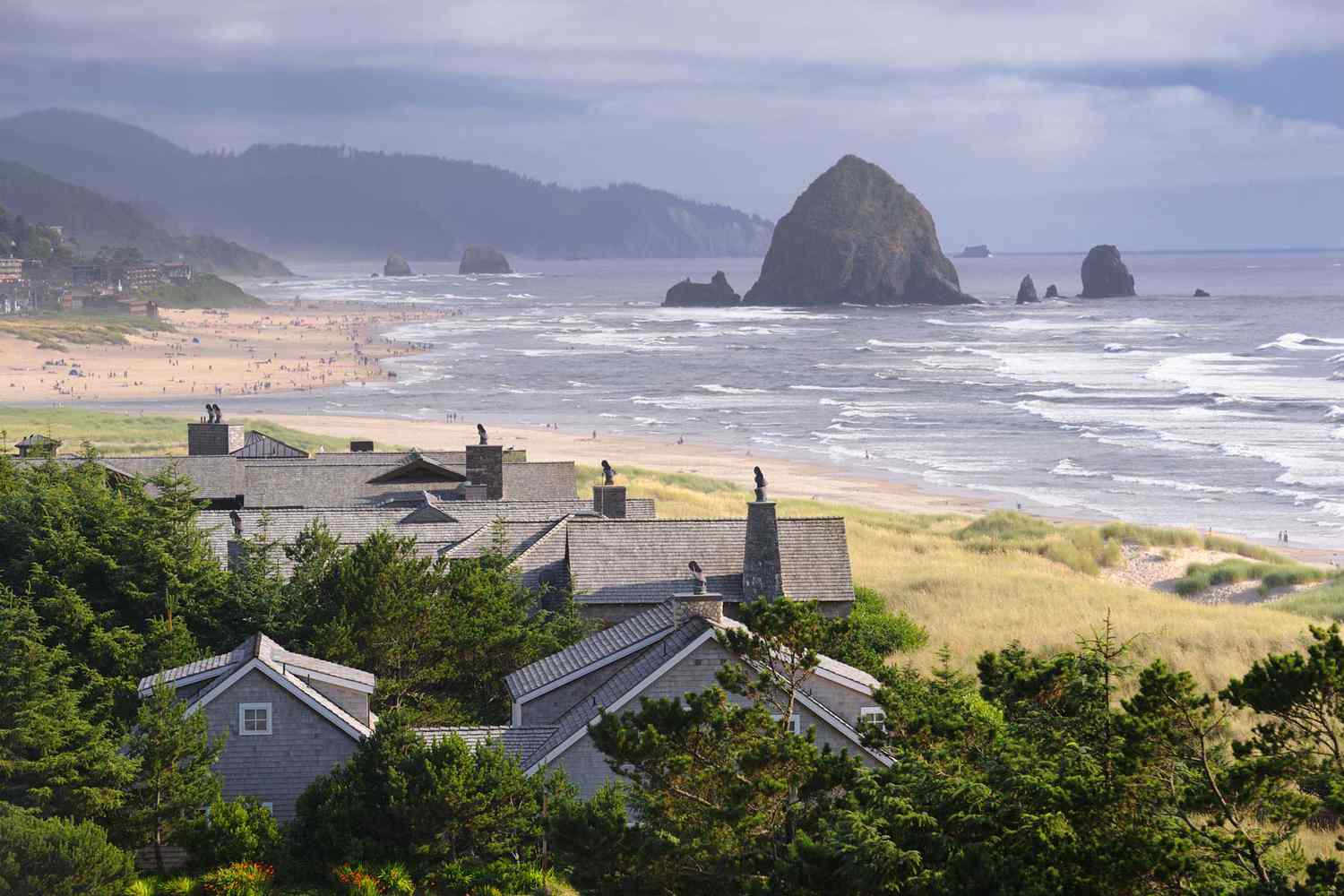
To construct an objective methodology for identifying and evaluating the top coastal estate experiences in america, asset managers must look past standard travel marketing. In the premium hospitality and real estate investment sectors, an elite oceanfront property operates as a highly specialized, self-contained infrastructural utility system. This system grants a designated group comprehensive, time-delimited spatial rights over specific dynamic shorelines, critical marine buffers, and fragile ecosystems.
Common design errors occur when developers apply traditional, flat-land construction templates to complex maritime terrain. A typical inland villa or suburban compound features uniform foundation footprints and direct, highly reliable connections to public municipal utility grids.
Conversely, a marine-grade asset operates on an asset-scarcity and high-environmental-strain model. In this environment, a resilient operational plan must track and manage hidden background operational elements. For example, management must continuously audit the structural integrity of concrete sea walls under constant wave impacts. Additionally, they must monitor local beach nourishment cycles, decentralized sub-surface drainage lines, and the logistical travel times of specialized maintenance crews across remote coastal keys during severe tropical weather events.
Evaluating these comprehensive packages demands an in-depth review of advanced property management databases, marine civil engineering surveys, and regional coastal zone management mandates. Standard consumer real estate evaluations focus almost entirely on frontend visual elements. These typically include panoramic ocean views, private beach access, and custom interior finishes.
However, an institutional assessment requires measuring the underlying engineering and financial logic of the entire build. Specifically, it tests the estate’s ability to handle extreme salt-air exposure without material fractures. It also monitors its capacity to isolate private off-grid power banks, manage automated storm-shutter systems, and enforce strict environmental mitigation zones around the main building envelope.
Deep Contextual Background
The economic and structural models governing high-end oceanfront estate design in the United States have transitioned through several distinct development phases over the past century. During the late nineteenth and early twentieth centuries, premium coastal retreats operated as seasonal wilderness camps or grand seasonal cottages for concentrated industrial wealth. Within these properties, such as the Gilded Age mansions of Newport, Rhode Island, or early estates on the Florida peninsula, access was heavily reliant on private private rail cars and basic maritime shipping routes. The concept of an all-inclusive, climate-controlled winter compound did not exist.
By the mid-twentieth century, the rapid expansion of civil engineering capabilities and the post-war construction of coastal highway systems transformed shoreline land access. This shift introduced formal civil engineering and structured subdivision layouts to sensitive coastal zones for the first time. Early developers tried to build large oceanfront homes using standard suburban framing techniques and basic municipal utility configurations.
Resort operators quickly learned that these early modern builds struggled with severe structural design limitations. They relied on standard metal fasteners that suffered from massive rust failures under salt-spray conditions. Furthermore, they used basic shallow foundations that shifted quickly when subjected to the intense scouring forces of hurricane-driven storm surges.
In the modern era, this sector is defined by total digital automation, advanced marine engineering, and strict regional environmental regulations. The modern oceanfront compound can no longer function as an isolated, unmonitored beach house. The rise of sea-level volatility, widespread hurricane threats across the Atlantic and Gulf coasts, and the growth of remote executive work require these properties to incorporate advanced cybersecurity firewalls, off-grid power microgrids, and space-age storm-suppression systems. This transformation has turned coastal estate management into a highly technical, data-driven discipline.
Conceptual Frameworks and Mental Models
Successfully managing and evaluating structural operations across an expansive maritime estate footprint requires specialized cognitive frameworks. Standard suburban residential models fail because they do not account for the complex interactions between marine preservation limits, environmental regulations, and modern luxury operations.
The Marine Interface Isolation Paradox
This model analyzes the structural tension that occurs when a high-occupancy guest booking accidentally restricts access to secondary revenue spaces across the estate. For example, booking a large family gathering into a central manor house wing can inadvertently block access to adjacent historic wine cellars.
Consequently, it might also close off private tasting rooms or formal gardens for other independent guests. Therefore, this framework helps reservation managers identify and avoid these hidden layout conflicts. As a result, it ensures that high room occupancy in one zone does not cause a revenue drop in neighboring parts of the property.
The Ecosystem Load Satiation Threshold
This framework measures the physical and operational strain that a specific reservation structure places on an estate’s decentralized infrastructure. Unlike modern commercial hotels with scalable municipal utility connections, a historic estate features fixed utility limits. The Asset Load Satiation Threshold calculates the exact utility and labor draw of any booking pattern. Consequently, this helps operators prevent system overloads across three critical baselines:
-
Hydrological Capacity: This tracks the real-time drawdown and salinity levels of private deep-well aquifers during peak residential use periods.
-
Geotechnical Friction Coefficient: This measures the structural stress placed on retaining seawall anchoring systems during rapid tidal shift events.
-
Thermal Dissipation Rate: This monitors the energy efficiency of closed-loop HVAC cooling towers under continuous, high-humidity cooling loads.
The Maritime Margin Preservation Index
Elite estate hotels face unique financial vulnerabilities that scale with geographic isolation, regional weather patterns, and the long-term maintenance needs of historic architecture. This mathematical mental model balances upfront contractual deposits against real operational costs to predict revenue stability during peak booking periods, calculated as follows:
Key Geographical Categories and Operational Variations
The structural architecture of a maritime residential compound is organized across several distinct geographical and mechanical categories. Each category carries specific design challenges, specialized maintenance rules, and distinct risk-mitigation opportunities.
Pacific Northwest Craggy Bluff Outcrops
This sector governs properties built on elevated granite or compacted clay cliffs, characterized by intense wind-driven rain, low-frequency seismic risks, and strict public beach access laws. Construction requires deep concrete caissons anchored directly into stable rock formations and heavy timber framing. The primary operational challenge is managing the constant sub-surface water runoff that can cause localized slope failures.
Atlantic Barrier Island Low-Lying Keys
This category covers the engineering mechanics for properties constructed on shifting sand structures, where homesites face high hurricane exposures and intense wind shear forces. Structural plans rely heavily on open pile foundations, automated exterior storm shutters, and advanced multi-point roof tie-down systems. The main operational challenge is delivering consistent, high-pressure utility services across low-lying terrain without causing accelerated sand erosion along the beach envelope.
Hawaiian Archipelago Volcanic Coastal Shelves
This field manages the design of estates located in high-salinity, high-UV tropical environments characterized by jagged lava rock baselines and rapid salt-spray material decay. Architecture requires advanced marine-grade stainless steel fasteners, continuous commercial-grade indoor dehumidification loops, and intensive subterranean drainage networks. The primary challenge is maximizing the lifespan of exterior metals and preventing coral reef sedimentation during heavy tropical downpours.
Maritime Property Infrastructure Comparison
| Geographical Category | Core Engineering Threat | Primary Structural Tool | Regulatory Exposure | Risk of Material Decay |
| Pacific Bluff Outcrops | Slope failure & seismic movement | Bedrock caissons & drainage channels | High; Coastal Zone Mgmt Act | Extreme; Rapid wind scouring of exterior glass |
| Atlantic Barrier Islands | Storm surge & sand erosion | Open pile foundation & storm shutters | High; FEMA Floodplain Mandates | Moderate; Accelerated rust in metal fasteners |
| Hawaiian Volcanic Shelves | Salt spray & intense UV radiation | Marine stainless & dehumidification loops | High; Clean Water Act Regulations | Extreme; Accelerated degradation of wood finishes |
| Gulf Coast Wetlands | Soil liquefaction & subsidence | Deep friction pile foundation arrays | High; Critical Area Ordinances | High; Moisture-driven mold inside wall cavities |
Decision Logic for Civil Engineering Site Release
Site development directors use precise decision trees when handling competing layout requests across sensitive coastal terrain. If an incoming building platform design directly conflicts with local dune protection boundaries, active fault lines, or regional public beach easement mandates, the selection logic changes immediately. For instance, if a layout places a guest pavilion within an active storm wash zone, the system flags it as an unacceptable structural hazard and denies the building permit.
Conversely, if a complex foundation plan requires significant earth retention structures but stays within legal and safety boundaries, the logic approves it. For example, if a plan requires drilling deep friction piles into a sand dune for an extended boardwalk deck, the request is accepted after adding specialized geotechnical monitor surcharges to the construction contract. This clear decision path ensures that short-term design preferences never compromise the long-term structural compliance or physical safety of the estate.
Detailed Real-World Scenarios
Scenario 1: The Overtaxed Desalination Grid Infrastructure Failure (Florida Keys)
A premium oceanfront estate completes a major summer reservation period without auditing the electrical draw of its automated reverse-osmosis water purification system.
-
Operational Constraints: The property features a 14,000-square-foot main villa and a detached guest house equipped with an off-grid, high-voltage reverse-osmosis desalination loop.
-
Decision Points: The property manager sets the desalination grid to continuous maximum production during a major holiday weekend event. At the same time, guests maximize the indoor climate controls and activate multiple high-draw electric steam showers, skipping a formal utility load review.
-
Failure Modes & Second-Order Effects: The main electrical transformer serving the estate suffers a terminal thermal overload and explodes. This explosion instantly cuts all primary power to the property during extreme summer humidity. Because the estate lacks a functional backup generator loop, the internal climate control system shuts down rapidly. This causes a complete freeze and subsequent shutdown of the water purification pipelines, forcing an immediate evacuation of the guests and resulting in over $300,000 in lost rental revenue.
Scenario 2: The Blocked Seawall Drainage Weep Hole (Malibu, CA)
An independent developer builds a multi-tiered coastal compound on a steep oceanfront slope but fails to clear marine debris from critical drainage weep holes.
-
Operational Constraints: The property is positioned directly behind a massive concrete seawall designed to deflect intense winter storm surges.
-
Decision Points: The construction team places a large outdoor infinity pool directly behind the seawall to maximize the ocean view for the master suite, ignoring regional hydrological mapping data. During a rapid winter high-tide event, wave volumes surge 50% above normal baselines.
-
Failure Modes & Second-Order Effects: The trapped seawater creates extreme hydrostatic pressure behind the uncleaned concrete wall. The seawall suffers a catastrophic structural blowout, sending a massive wave of salt water and rock debris directly through the lower level of the main home. The home is declared structurally unsafe by local building officials, resulting in an immediate total loss of seasonal rental income and a multi-year legal battle over environmental sedimentation violations.
Scenario 3: The Successful Dune-Stabilized Compound Implementation (Outer Banks, NC)
A luxury coastal estate successfully survives a major Category 3 hurricane front by executing a multi-layered dune stabilization strategy and utilizing non-combustible building materials.
-
Operational Constraints: The property is situated within a low-lying sand barrier island characterized by high summer storm shear and volatile wind loads.
-
Decision Points: The owners install extensive native sea oats and deep-rooted sand vegetation across a 150-foot buffer zone, position the main lodge on deep open wood piles, and utilize marine-grade non-corrosive fasteners throughout the structure.
-
Failure Modes & Second-Order Effects: When a fast-moving hurricane front sweeps through the barrier island, the estate’s automated systems activate flawlessly. The open pile design allows the storm surge to pass beneath the main living spaces without impact, while the stabilized dune buffer deflects the primary wave energy. The main structure emerges completely unscathed, saving millions of dollars in asset value and proving the commercial resilience of the estate’s engineering plan.
Planning, Cost, and Resource Dynamics
Maintaining an effective strategy for high-end coastal property investment requires a highly detailed financial model. This system must balance upfront land acquisition and structural construction costs against hidden long-term operational overhead, maritime utility surcharges, and deferred maintenance liabilities. Standard residential real estate metrics completely fail because they underestimate the massive costs of maintaining decentralized infrastructure and specialized service teams in geographically isolated locations.
Direct, Indirect, and Opportunity Costs
Direct costs are clearly visible on monthly construction and maintenance ledgers. These include advanced marine-grade structural fastener purchase premiums, specialized geotechnical engineering fees, custom impact-resistant triple-glazed window transport surcharges, and specialized coastal construction labor payroll.
Indirect costs are significantly harder to track but equally critical to asset health. For example, these include the staff hours spent navigating regional US Army Corps of Engineers beach nourishment permits, the costs of maintaining commercial-grade storm suppression certifications, and specialized legal fees for securing long-term riparian water rights.
Additionally, investors face a steep opportunity cost if they select a rigid structural layout that prevents future expansion or locks up premium homesites for low-yield storage outbuildings, cutting off potential multi-generational asset growth.
Maritime Property Capital Expenditure Projections
| Financial Allocation Sector | Baseline Bluff Tier ($) | Advanced Barrier Island Tier ($) | Ultra-Isolated Island Tier ($) |
| Core Geotechnical & Pile Found. | $55,000 – $115,000 | $95,000 – $220,000 | $195,000 – $480,000 |
| Automated Desalination & Utility Tech | $30,000 – $75,000 | $65,000 – $160,000 | $130,000 – $340,000 |
| Storm Shutter & Seawall Tech | $20,000 – $45,000 | $42,000 – $110,000 | $95,000 – $260,000 |
| Riparian Right & Environmental Vetting | $10,000 – $28,000 | $22,000 – $65,000 | $50,000 – $145,000 |
| 10-Year Structural Maintenance Funds | $110,000 – $260,000 | $210,000 – $520,000 | $420,000 – $1,150,000 |
Tools, Strategies, and Support Systems
Protecting and optimizing a marine property’s mechanical performance requires combining advanced building automation software, secure communication links, and structured maintenance rules.
-
Multi-Zone Building Management Software (BMS): Advanced property automation programs that allow managers to track real-time indoor humidity, window seal pressures, and galvanic corrosion levels from a single digital interface.
-
Automated Reverse-Osmosis Optimization Engines: Smart engineering applications that monitor the fluid pressure inside desalination membranes, adjusting flow rates automatically to maximize freshwater production efficiency.
-
Off-Grid Solar Microgrid Control Arrays: High-performance power management software that coordinates rooftop solar panels with deep-cycle lithium storage banks, providing seamless backup power during grid failures.
-
Satellite Infrastructure Communication Hubs: Ruggedized data transit systems connected directly to satellite networks, ensuring constant internet and emergency communication links when landlines flood or break.
-
Hydrostatic Pressure Monitoring Sensors: Specialized electronic sensors installed behind main concrete seawalls to track real-time water accumulation and prevent wall blowouts during severe tidal shift events.
-
Drone-Assisted Bluff Inspection Utilities: Compact, high-definition thermal imaging drones used to audit coastal bluff erosion and identify hidden sub-surface drainage leaks without endangering maintenance personnel.
Risk Landscape and Failure Modes
The structural and environmental hazards of managing a maritime residential estate are closely connected. A single material failure or unmonitored infrastructure bottleneck can quickly trigger cascading utility, financial, and safety crises across the entire property footprint.
Unmonitored Galvanic Corrosion and Structural Fastener Shifting
When an oceanfront home’s structural connectors suffer from poor zinc coating or unmonitored salt-spray exposure, the electrochemical reaction degrades the metal core. This corrosion quickly causes heavy internal framing rot and structural beam shifting. In premium properties, these unmonitored structural failures can destroy custom woodwork, damage expensive design elements, and trigger multi-million dollar structural reconstruction bills.
Storm Surge Sand Scouring and Foundation Exposure
Many high-end compounds are built within dynamic beach systems characterized by volatile seasonal weather and high wind shear. If a property management team fails to maintain a clear 100-foot native dune buffer zone around the home, crashing waves can quickly wash away the supporting soil matrix. During a severe tropical storm event, this scouring action can expose the foundation piles. This exposure can bypass standard interior stabilization supports and cause a total loss of the main architectural asset.
Sub-Surface Hydrostatic Pressure and Seawall Blowouts
Failing to install advanced drainage networks behind a concrete seawall built at the base of a coastal bluff is a critical civil engineering mistake. During high-tide storms, millions of gallons of ocean water filter down through the coastal soil, creating extreme hydrostatic pressure against buried concrete walls. If the estate’s drainage paths are blocked by sand or marine debris, this immense water pressure can crack seawalls, flood lower terrace levels, and cause dangerous soil shifting that completely destabilizes the home’s primary foundation.
Governance, Maintenance, and Long-Term Adaptation
To protect a maritime property from physical decay, value loss, and structural utility failures, owners must set up a formal property governance framework. This system ensures continuous engineering oversight, accurate infrastructure tracking, and proactive risk control across the property’s lifecycle.
Operational Review Cycles
-
Weekly BMS Diagnostic and Galvanic Corrosion Audits: Technical teams perform comprehensive digital checks of all heating loops, sacrificial zinc anodes, and automated insulation valves to prevent salt-air rot.
-
Monthly Hydrostatic Drainage and Seawall Evaluations: Facilities managers conduct detailed physical checks of all sub-surface drainage channels and seawall anchors to prevent landslide risks.
-
Quarterly Storm Shutter and Dune Vegetation Assessments: Maintenance crews complete thorough clearings of perimeter sand build-ups and test all automated steel storm shutters to maintain absolute safety.
-
Annual Geotechnical Foundation and Bedrock Caisson Inspections: Structural engineers run detailed laser scans of foundation walls and deep pile points to track and correct any minor ground shifting early.
Comprehensive Maritime Property Compliance Checklist
To maintain structural integrity, properties must enforce a comprehensive asset adaptation protocol. This structured approach divides critical checks across distinct infrastructural baselines:
-
Digital Automation & BMS Infrastructure:
-
Tech leads execute multi-zone humidity sensor calibration verifications to guarantee property automation software registers indoor environmental changes accurately.
-
Network administrators run automated satellite communication failover tests to confirm backup emergency links activate instantly during primary fiber drops.
-
-
Infrastructure Capacity Integration:
-
Engineering directors execute desalination membrane pressure balance verifications to match daily freshwater demands with real-time filtration capacity.
-
Facilities staff complete peak-load generator fuel cell pressure evaluations before major storm fronts arrive to ensure off-grid power readiness.
-
-
Structural & Geotechnical Safety:
-
Geotechnical engineers manage hydrostatic pressure sensor log verifications behind main concrete seawalls every spring to detect structural shifting.
-
Construction leads verify open pile foundation connection markers to confirm marine-grade steel fasteners operate at maximum structural efficiency.
-
Measurement, Tracking, and Evaluation
Evaluating the performance of a coastal investment property requires looking past basic annual appreciation metrics. Management must track clear leading and lagging indicators to ensure that daily physical stress levels never compromise structural safety, legal compliance, or multi-generational asset health.
Maritime Property Performance Tracking Indicators
| Evaluation Indicator Classification | Specific Measurement Metric | Target Performance Benchmark | Data Capture Methodology |
| Quantitative Engineering | Seawall Shift Latency | Less than 0.03 millimeters annually | Running continuous automated laser telemetry scans on concrete wall points |
| Quantitative Operational | Desalination Fresh Yield | Stable positive filtration rates | Using digital inline flow meters attached directly to primary membrane systems |
| Qualitative Guest Experience | Indoor Climate Comfort Grade | Higher than 99% positive score | Analyzing digital feedback logs regarding room humidity stability and fresh-air exchange |
| Qualitative Preservation | Structural Material Integrity | Zero unmanaged galvanic rust or rot | Conducting bi-annual visual inspections with a certified marine materials specialist |
Practical Examples of Engineering Documentation
To ensure smooth operational transitions through staffing changes or management updates, the estate’s maintenance office must maintain three core foundational records:
The Master Geotechnical and Pile Foundation Map: A detailed engineering blueprint documenting the exact depth, positioning, and anchor angles of all concrete caissons, friction piles, and beach retention structures across the property.
The Integrated Coastal Storm Preparedness Manual: A formal operational guide detailing the dune stabilization zones, automated roof tie-down layouts, water storage capacity metrics, and emergency evacuation protocols for the compound.
The Sub-Surface Maritime Drainage and Seawall Ledger: A certified utility schematic outlining the precise paths, flow capacities, sensor points, and clean-out access hubs for every subterranean drainage pipe on the estate.
Common Misconceptions and Oversimplifications
-
Myth: Building a coastal estate on elevated bluffs eliminates the need for expensive marine engineering. Correction: High bluff homesites face severe wind shear and sub-surface water runoff that can cause rapid slope failure. Permanent stability demands drilling deep concrete caissons anchored directly into stable bedrock layers.
-
Myth: A standard residential backup generator is enough to protect an oceanfront compound during a major hurricane. Correction: Severe tropical storms require immense energy to run commercial dehumidification systems and automated storm-shutter grids simultaneously. Venues demand industrial-grade generator microgrids equipped with automated power-shedding software modules.
-
Myth: Menggunakan paku besi standar sudah cukup aman jika dilapisi cat pelindung karat di area pantai. Correction: Simple paint coats fail quickly under constant salt-spray conditions, leading to hidden framing rot. True durability demands the exclusive utilization of advanced marine-grade stainless steel fasteners.
-
Myth: All beachfront homesites can use standard concrete slab foundations if the sand appears dry during summer digging. Correction: Beachfront soils suffer from extreme storm-surge scouring forces and shifting tidal water tables. Permanent safety demands positioning the main structures on deep open pile foundation arrays.
-
Myth: Running reverse-osmosis desalination plants continuously is a cheap way to maintain estate freshwater pools. Correction: High-pressure desalination membranes draw massive amounts of power, easily costing thousands of dollars per week if left unmanaged. Efficient operations require smart automation systems that adjust filtration cycles based on real-time water storage needs.
-
Myth: Using standard suburban residential property insurance policies provides adequate coverage for maritime estates. Correction: Suburban policies completely omit coverage for storm surge scouring, landslide slope failures, and the extreme costs of transporting specialized materials to isolated coastal keys. High-stakes properties demand custom marine commercial asset coverage.
Ethical, Practical, or Contextual Considerations
The construction and long-term operation of premium oceanfront residential compounds often create complex socioeconomic dynamics within surrounding coastal communities. When a luxury property developer buys massive tracts of pristine shoreline land, the influx of capital can rapidly drive up local living costs. This inflation can price out multi-generational local families and strain small coastal town municipal services. To balance private investment value with responsible community relations, forward-thinking estate managers build explicit local support systems into their long-term operation budgets. By funding local coastal access paths, sourcing construction materials from regional marine yards, and contributing to county volunteer emergency squads, the property protects its privacy. At the same time, it remains a highly respected asset to the local region.
From an environmental standpoint, managing an extensive maritime compound requires close attention to sea turtle nesting habits and water conservation laws. Powering large outdoor security displays during nesting seasons can disorient hatchlings, while excessive well-water pumping can cause salt-water intrusion into local freshwater aquifers. Modern estate programs handle these ecological issues by integrating strict conservation easements directly into their master property blueprints. Using automated low-intensity dark-sky exterior lighting arrays, positioning building envelopes completely behind established dune preservation lines, and re-planting native coastal flora allows the estate to deliver world-class residential comfort while actively protecting the surrounding maritime ecosystem.
Conclusion
Successfully organizing an institutional approach to building and managing the top coastal estate experiences in america requires looking far beyond basic interior design choices and scenic ocean views. These unique shoreline properties represent a detailed balance of marine civil engineering, coastal zone law, and environmental resource management. As global sea levels fluctuate and regional environmental regulations grow stricter, the real commercial value of an oceanfront asset will depend heavily on its foundation depth, network security, and proactive infrastructure governance. For property directors, luxury real estate investors, and family offices alike, a commitment to rigorous engineering planning ensures that the estate remains a safe, spectacular, and highly durable multi-generational sanctuary for decades to come.