How to Manage Estate Hotel Security: The Complete Infrastructure Guide
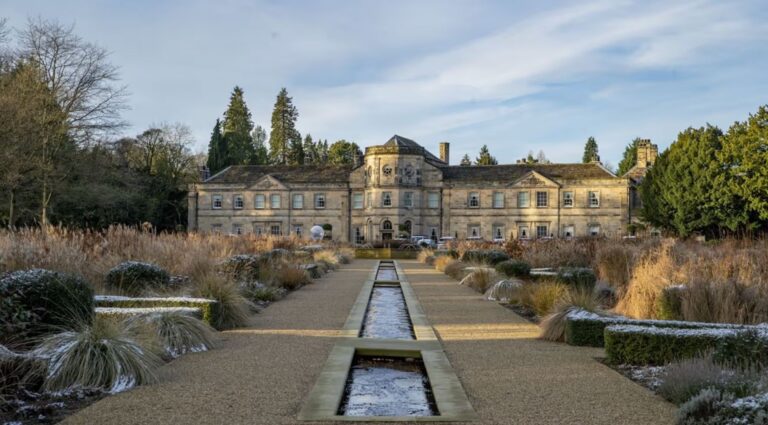
The global luxury hospitality sector is undergoing a fundamental structural transition. For decades, premium properties differentiated themselves primarily through superficial interior design, brand prestige, and basic guest services. However, institutional investors, asset managers, and elite operators are shifting their focus to the long-term operational viability and capital efficiency of large-scale, decentralized properties. When an estate property encompasses centuries-old historic architecture, fragile natural ecosystems, and working agricultural lands, its amenities cannot be managed as standalone consumer offerings. Instead, they must function as an integrated, data-driven financial ecosystem.
To accurately evaluate these properties, analysts must look past standard industry metrics like simple RevPAR (Revenue per Available Room) or basic departmental margins. A traditional urban resort can measure the success of its spa or food options using direct point-of-sale revenue. By contrast, an expansive estate property must track how its diverse installations impact the overall valuation of the asset. This requires analyzing how an organic agricultural program improves culinary margins, or how historic preservation mandates affect the modernization of infrastructure across a sprawling physical footprint.
Balancing capital preservation with experiential programming creates deep operational challenges. When an estate expands its offerings—whether by adding advanced thermal wellness spaces, private aviation access, or managed field sports grounds—it automatically introduces hidden maintenance liabilities and regulatory complexities. Managing these decentralized installations demands significant resource allocation, specialized labor, and long-term capital reserve planning.
This comprehensive guide provides a definitive analytical framework for evaluating high-end estate hospitality systems. By exploring the underlying financial models, spatial mechanics, risk profiles, and structural trade-offs of these assets, this analysis serves as a core resource for institutional stakeholders seeking to maximize operational yield while safeguarding cultural and historical heritage.
Understanding “Compare Estate Hotel Amenities”
Analyzing premium property systems requires moving past surface-level reviews and focusing on deep structural assessments. A persistent issue in hospitality asset management is treating estate installations as isolated items on a balance sheet. Evaluating these offerings without context ignores the physical realities of large-scale land management. To effectively compare estate hotel amenities, analysts must evaluate how every single installation interacts with the property’s core mechanical infrastructure, geographic footprint, and regional zoning laws.
A common mistake is evaluating a property’s offerings solely through consumer review metrics or basic square-footage capacity. For instance, comparing a 15,000-square-foot subterranean spa in a converted European monastery directly to a modern wellness pavilion on a North American vineyard estate overlooks their unique structural realities. The monastery spa must navigate strict historic landmark protections, moisture control challenges in centuries-old masonry, and electrical layout limitations. The vineyard pavilion, by contrast, must balance seasonal agricultural needs, chemical application buffer zones, and open landscape views.
Oversimplifying this evaluation often leads analysts to favor massive scale over operational integration. A sprawling equestrian center or an 18-hole championship golf course might look impressive on a marketing brochure, but their true value depends on how they impact the rest of the property. If an equestrian program disrupts guest privacy on nearby walking trails, or if a golf course overconsumes shared water rights needed for a working vineyard, these amenities become operational liabilities.
True comparative analysis looks beyond basic features to assess how well an amenity fits within the estate’s geography and infrastructure. It evaluates how effectively an installation balances its natural setting, historic architecture, and operational workflows to deliver sustainable long-term value.
The Systemic Evolution of Estate Hospitality
The modern estate hotel developed from the private rural domains of the global elite, including European manor houses, hunting lodges, and agrarian plantations. Historically, these expansive properties were designed as self-contained economic and social ecosystems, built to host extended gatherings for ruling classes, diplomats, and extended families. The hunting seasons, political weekends, and artistic salons of the eighteenth and nineteenth centuries established the early rules of estate hospitality, where long stays required independent food production, specialized recreational programming, and highly stratified staff workflows hidden behind architectural barriers.
During the mid-twentieth century, the decline of private wealth and the introduction of strict inheritance taxes forced many families to transition these historic estates into commercial properties. Early iterations focused on classic leisure tourism, attempting to apply urban hotel management models to properties with decentralized layouts. These early operators quickly ran into structural bottlenecks, discovering that standard hotel procedures failed to manage the unique maintenance challenges of historic buildings, extensive private roads, and independent water and waste systems.
The rise of the information economy in the late twentieth and early twenty-first centuries created a new demand for venues capable of hosting intensive, focused offsite gatherings. Corporate organizations realized that open-plan offices and connected digital environments left teams little space for deep strategic thinking. Similarly, wellness facilitators and family offices began seeking environments that offered physical separation from urban distractions.
Today, this evolution faces new pressures from shifting environmental regulations, extreme weather patterns, and the demand for absolute data security. Modern estate venues must navigate strict environmental protections, managed water allocations, and the need for comprehensive digital security across remote properties. As a result, the industry has shifted away from resource-heavy, generalized resorts toward highly secure, self-sufficient estates.
Spatial and Resource Dependency Frameworks
To systematically evaluate estate hotel infrastructure across various architectural styles and geographic regions, planners can use several established spatial and organizational models. These frameworks help break down complex properties into predictable, manageable systems.
1. The Core-to-Periphery Spatial Model
This framework categorizes estate amenities based on their physical distance from the central hospitality hub and their reliance on property-wide infrastructure.
-
Core Amenities: Located within or adjacent to the primary historic structure (e.g., historic libraries, wine cellars, subterranean thermal suites). These installations feature high capital investment per square foot and rely heavily on central mechanical, electrical, and plumbing systems.
-
Intermediate Amenities: Positioned within the managed landscape (e.g., walled kitchen gardens, infinity pools, artisanal workshops). These spaces require careful scheduling to balance guest access with active property maintenance.
-
Peripheral Amenities: Situated on the estate’s outer boundaries (e.g., field sports platforms, remote wilderness cabins, equestrian trails). These offerings operate with low structural footprints but demand dedicated logistics, independent security, and specialized transport networks.
Evaluating amenities through this spatial lens allows operators to plan infrastructure investments effectively. It ensures that peripheral offerings do not drain resources from core services, and that core amenities have the structural capacity to support remote activities across the property.
2. The Resource Dependency Matrix
This model evaluates an amenity’s viability by mapping its consumption of critical estate resources against its operational yield and regulatory footprint.
When analyzing a resource-intensive amenity like an organic farm-to-table program, this matrix requires operators to evaluate soil capacity, available labor, and local water rights against the culinary department’s actual needs. This prevents properties from building vanity installations that strain local resources or create systemic vulnerabilities during droughts or labor shortages.
3. Sustainable Capacity Limits
Borrowed from environmental science and regional planning, this framework determines the maximum level of guest use an amenity can sustain before its physical infrastructure, historical value, or surrounding ecosystem begins to degrade.
For example, when applying this framework to a historic woodland trail network, operators must calculate how increased foot traffic impacts soil compaction, local wildlife patterns, and trail erosion. It also establishes clear guidelines for when to limit guest access or temporarily close routes for restoration. This model ensures that high-use guest programming does not permanently degrade the natural assets that define the estate’s identity.
Structural Typologies and Asset Trade-Offs
Estate amenities generally fall into six major categories, each presenting distinct operational demands, financial trade-offs, and infrastructure requirements.
1. Agrarian and Culinary Integration
These systems include working vineyards, orchards, olive groves, apiaries, and organic kitchen gardens. The primary benefit is creating an authentic, estate-sourced culinary program that drives food and beverage prestige. However, the trade-offs are significant: these installations require skilled agricultural labor, rely heavily on seasonal weather, and must navigate strict agricultural chemical and biosecurity regulations near guest areas.
2. Heritage Preservation and Cultural Spaces
This category covers restored chapel libraries, historic portrait galleries, curated archives, and architectural conservation zones. These spaces anchor the estate’s historic narrative and provide unique settings for low-impact guest activities. The downside includes high climate-control costs, strict structural load limits, and complex landmark regulations that restrict modernization or accessibility upgrades.
3. Advanced Wellness and Thermal Infrastructure
These facilities encompass historic cave saunas, subterranean hammams, flotation pavilions, and hydrotherapy circuits. While they generate high revenue per square foot and drive off-season bookings, they require intensive energy inputs, advanced water filtration systems, and rigorous moisture-control measures to protect nearby historic structures from humidity damage.
4. Wilderness, Field Sports, and Conservation Zones
This group includes private fly-fishing beats, managed shooting grounds, archery ranges, and wildlife observation canopies. These offerings provide exclusive, low-impact outdoor programming that leverages the estate’s natural geography. However, they require extensive land holdings, specialized staff certifications, comprehensive liability insurance, and active wildlife management strategies.
5. Equestrian and Working Livestock Facilities
These installations comprise stabling blocks, indoor riding arenas, grazing pastures, and dedicated bridle paths. They offer a classic country estate experience that appeals to high-net-worth families. On the balance sheet, they represent high fixed costs, complex waste management challenges, round-the-clock veterinary care requirements, and high legal liability risks.
6. Aviation and Remote Access Infrastructure
This category covers certified helipads, private airstrips, and deep-water docks. These amenities eliminate travel friction for ultra-high-net-worth individuals and corporate buyouts, giving the property a clear competitive edge. However, they demand strict regulatory compliance, clear noise-abatement policies to protect guest peace, and ongoing security and maintenance updates.
| Amenity Category | Fixed Capital Input | Variable Operational Cost | Regulatory Oversight Level | Primary Operational Vulnerability |
| Agrarian & Culinary | Medium | High | High (Agri/Biosecurity) | Weather volatility and crop disease |
| Heritage & Culture | High | Low | Extreme (Landmark Codes) | Structural moisture and climate control |
| Advanced Wellness | Extreme | High | Medium (Public Health) | Humidity damage to old structures |
| Wilderness & Sports | Low | Medium | High (Environmental/Wildlife) | Seasonal access and guest safety |
| Equestrian Systems | High | Extreme | Medium (Animal Welfare) | Livestock health and liability management |
| Aviation Access | Medium | Low | Extreme (Aviation Authorities) | Noise pollution and local zoning disputes |
Decision Logic for Amenity Selection
When determining which amenities to develop or preserve, management must evaluate the property’s primary asset type against its long-term operational constraints. For example, if a property sits on a historic monastic estate with limited electrical capacity and strict water protections, prioritizing a subterranean thermal spa over a resource-heavy golf course is a more sustainable choice.
This decision logic ensures that new amenities support, rather than strain, the property’s core infrastructure. It helps operators build a balanced portfolio of offerings that enhance the guest experience without compromising the estate’s historical integrity or environmental baseline.
Operational Stress Testing and Failure Analysis
Examining how these amenities perform under real-world operational pressures reveals the hidden vulnerabilities that can disrupt an estate property.
Scenario 1: Developing an Advanced Wellness Spa within a Historic Monastic Crypt
An operator adds a modern thermal hydrotherapy circuit into the vaulted brick cellar of a fourteenth-century converted monastery.
-
The Constraints: The historic brickwork cannot be altered or covered due to strict landmark preservation laws. The space lacks traditional vertical ventilation shafts, and the structural pillars limit where heavy water filtration equipment can be placed.
-
The Decision Points: The engineering team must choose between installing exposed, industrial-style ventilation systems that disrupt the historic aesthetic, or utilizing a specialized, low-velocity dehumidification network hidden within floor channels and false benches.
-
Failure Modes: If the ventilation system underperforms, humidity will trap within the porous historic brickwork. This leads to salt efflorescence, structural crumbling, and mold growth that can spread to the guest rooms above.
-
Second-Order Effects: Fixing these structural issues requires shutting down the spa during peak season. This closure leads to cancelled bookings, lost revenue, and expensive, specialized restoration work that must be approved by local heritage boards.
Scenario 2: Coordinating an Organic Farm-to-Table Program During a Peak Summer Buyout
A luxury wine-country estate hosts a five-day corporate retreat that requires exclusive use of the outdoor grounds, coinciding with the peak harvest and pesticide-buffer windows for the estate’s kitchen gardens.
-
The Constraints: The culinary team relies on the garden for daily menus, requiring staff to harvest produce early each morning. At the same time, the farm team must apply organic treatments to protect crops from summer pests, a process that requires closing treated zones to guests for 24 hours.
-
The Decision Points: Management must decide whether to pause farm treatments to ensure guests have full access to the gardens, or enforce the safety closures and restrict guest movement during a premium corporate booking.
-
Failure Modes: Without clear coordination, a farm crew could begin applying organic fertilizers or pest treatments near an outdoor corporate lunch, creating unpleasant odors and safety concerns that disrupt the event.
-
Second-Order Effects: This breakdown forces the event indoors, ruining the planned outdoor experience. It strains relations with the corporate client and creates friction between the agricultural and hospitality teams, who are operating on conflicting schedules.
Capital Allocation Dynamics and Long-Term Maintenance Costs
Maintaining high-end estate amenities requires an understanding of both direct financial outlays and indirect capital cycles. Operators often underestimate the long-term cost of ownership for decentralized installations, leading to deferred maintenance that erodes asset value.
Direct, Indirect, and Opportunity Capital Vectors
Direct expenses are easily trackable, covering specialized labor, daily chemical treatments, and dedicated equipment. Indirect costs are harder to quantify but equally significant. These include the time staff spend traveling across a large property, the accelerated wear and tear on vehicles driven over varied terrain, and the administrative hours spent securing environmental and historic preservation permits.
Opportunity costs must also be factored into the property’s financial model. For instance, preserving a historic meadow to protect a scenic view for guests means giving up the potential revenue of planting that land with high-yield crops like wine grapes or olives. A well-designed asset strategy balances these trade-offs, ensuring that aesthetic choices support the property’s overall financial health.
| Amenity Type | Lifecycle Real Horizon | Annual Maintenance Premium | Specialist Labor Access | Predictive Capital Reserve |
| Subterranean Spa | 7–10 Years | 12–15% of Initial CapEx | High (Hacienda Engineers) | High (Moisture Protection) |
| Kitchen Gardens | 1–3 Years (Crop Cycles) | 20–25% of Initial CapEx | Extreme (Agronomists) | Low (Soil Regeneration) |
| Equestrian Facilities | 12–15 Years | 18–22% of Initial CapEx | Extreme (Equine Specialists) | Medium (Structural Stables) |
| Aviation Helipads | 20+ Years | 5–8% of Initial CapEx | Medium (Aviation Techs) | Low (Surface Resurfacing) |
Logistics Management and Infrastructure Tools
Operating a diverse portfolio of estate amenities requires a mix of specialized technology, customized hardware, and clear communication strategies.
Geographic Information Systems (GIS)
Unlike standard property management tools, digital mapping allows operators to track every underground utility line, historic tree root zone, irrigation valve, and emergency access path on an interactive map. This prevents maintenance crews from accidentally disrupting critical services during landscaping or utility work.
Property-Wide Mesh Networks
Large estates often suffer from cellular dead zones. Installing a robust mesh network ensures that maintenance, housekeeping, and emergency teams remain connected via real-time tracking and communication tools across the entire property.
IoT Infrastructure Sensors
Placing smart sensors on critical, remote infrastructure—such as wastewater pumps, water cisterns, and HVAC networks in historic outbuildings—allows engineering teams to catch and resolve issues before they escalate into disruptive failures.
Zoned Operational Hubs
To minimize time lost traveling across large properties, housekeepers and maintenance technicians are assigned to specific zones. Each zone is equipped with its own mobile supply hub, reducing inefficient trips back to a central facility.
Cross-Departmental Training Programs
Building operational empathy across teams is crucial. Having culinary staff spend time working with the land management team helps them understand seasonal harvest limitations, leading to better communication and more realistic menu planning.
Low-Impact Utility Fleets
In quiet guest areas or sensitive historic zones, traditional service vehicles may be too loud or heavy. Utilizing electric utility carts, bicycles, or low-impact transport minimizes environmental wear and preserves the estate’s peaceful atmosphere.
Cross-Departmental Risk Taxonomies
The primary challenge of managing an estate hotel is that operational risks are rarely confined to a single department. A failure in land management can quickly trigger an infrastructure crisis that impacts multiple guest amenities.
Compounding Risk Taxonomy
-
Siloed Operational Failures: This occurs when independent departments make decisions without consulting the central property plan. For example, a landscaping crew might shut down a primary irrigation valve for routine repairs without notifying the wellness team, accidentally cutting off water to the spa’s hydrotherapy pools during a busy weekend.
-
Cascading Infrastructure Failures: On large estates, utility networks are often interconnected. A blockage in a remote wastewater line can back up through the system, causing plumbing failures in luxury guest villas far down the line.
-
Regulatory Compliance Violations: Operating a commercial business on historic or protected agricultural land requires navigating a complex web of local regulations. Failing to file the correct environmental permits for trail maintenance can result in costly fines, halted projects, and negative public relations.
To prevent these compounding risks from disrupting operations, estate hotels must establish clear communication and escalation protocols. Frontline staff must have a direct, non-hierarchical path to report anomalies—such as drops in water pressure or unusual sounds from mechanical systems—allowing engineering teams to intervene before a minor issue causes widespread disruption.
Long-Term Governance and Adaptive Preservation
An estate’s amenity framework cannot be a static operational plan. It must function as a living management system that evolves alongside the property’s physical landscape, regulatory environment, and long-term business goals.
The Management Lifecycle
To maintain operational alignment, management must commit to a structured review process. This cycle combines quick weekly adjustments with deep annual audits to ensure all offerings remain viable and secure.
-
Weekly Operational Lookaheads: A cross-departmental meeting where teams review the upcoming week’s guest profiles, scheduled events, and major maintenance projects to flag and resolve potential conflicts early.
-
Seasonal Adjustment Audits: Held four times a year, these reviews adjust operational plans for upcoming weather shifts, agricultural harvests, and seasonal staffing changes.
-
Annual Strategic Reviews: A comprehensive audit where leadership updates the core plan to reflect regulatory changes, major capital improvements, and long-term land management goals.
Layered Operational Quality Checklist
1: Daily Frontline Operational Tasks
-
Verify all water quality and filtration metrics for advanced wellness pools.
-
Check scheduled guest trail excursions against the day’s agricultural maintenance map.
-
Inspect historic event spaces for visible moisture, temperature shifts, or settling.
2: Seasonal System Alignments
-
Clean and clear all landscape drainage channels ahead of rainy season shifts.
-
Update agricultural chemical buffer zones with farm and culinary teams.
-
Test and service all remote backup generators and off-grid power systems.
3: Annual Capital & Regulatory Compliance
-
Complete structural integrity and safety audits for all historic structures.
-
Renew water rights, environmental permits, and aviation safety certifications.
-
Review and update property-wide emergency evacuation plans with local authorities.
System Evaluation Systems and Performance Indicators
Evaluating the long-term success of estate amenities requires looking beyond traditional hospitality metrics. True operational health is measured by tracking a balanced mix of leading and lagging indicators across all departments.
Leading vs. Lagging Operational Metrics
Leading indicators act as early warning signals, helping teams spot potential issues before they disrupt operations. For example, tracking the completion rate of preventative maintenance tasks on remote utility networks can predict and prevent system failures during peak season. Similarly, monitoring staff turnover in specialized roles, like estate drivers or trail guides, can highlight underlying issues with training or scheduling balance.
Lagging indicators measure the final results of the coordination efforts. These include tracking total capital losses from infrastructure failures, monitoring year-over-year changes in landscape restoration costs, and analyzing guest complaints related to estate logistics, such as noise from agricultural machinery or delays in room shuttle services.
Core Management Logbooks
To maintain clear records and ensure consistent execution across teams, properties should rely on three core operational documents:
-
The Spatial Conflict Register: A shared database where departments log upcoming projects. The system flags instances where multiple teams try to use the same area simultaneously, such as scheduling masonry repairs in a courtyard during a premium booking window.
-
The Structural Asset Index: A comprehensive ledger that tracks the physical health of every building, roadway, bridge, and utility system across the property. This index dictates how capital improvement funds are allocated each year.
-
The Microclimate Trend Map: A live dataset that tracks temperature, wind, and soil moisture variations across different zones of the estate. This information helps teams adjust HVAC settings in historic buildings, fine-tune irrigation schedules, and plan comfortable outdoor setups for guest events.
Industry Misconceptions and Strategic Oversimplifications
Myth 1: Larger amenities always deliver higher luxury value
The Reality: Sprawling, resource-heavy amenities often create operational bottlenecks and high fixed maintenance costs. Smaller, well-integrated installations that honor the property’s natural geography frequently deliver higher guest satisfaction and better financial returns.
Myth 2: Historic spaces can be modernized without altering their operational profile
The Reality: Introducing high-capacity modern amenities like steam rooms or modern kitchens into historic structures changes their internal microclimate. Without specialized ventilation and ongoing monitoring, these additions can cause permanent structural damage.
Myth 3: Agricultural amenities can operate on standard commercial farming schedules
The Reality: Commercial farming operations prioritize yield and efficiency, which often involves loud machinery, dust, and chemical applications that disrupt a luxury hospitality environment. Estate agriculture must reshape its schedules around the guest experience.
Myth 4: Adding more transport vehicles solves estate travel delays
The Reality: Flooding an estate with extra service vehicles often leads to traffic bottlenecks on narrow, unpaved roads. It also increases dust, noise, and environmental wear. True efficiency comes from smart routing and scheduled dispatching.
Myth 5: Wilderness and conservation zones require no active management
The Reality: Unmanaged wilderness areas face risks from trail erosion, invasive species, and wildlife conflicts. Maintaining a safe, premium outdoor experience requires ongoing conservation work, forestry management, and trail upkeep.
Myth 6: Guest experience teams don’t need to understand utility layouts
The Reality: When front-of-house staff understand the property’s physical layout and infrastructure constraints, they can manage bookings smarter, set realistic expectations for guests, and help catch infrastructure issues before they escalate.
Environmental, Ethical, and Regional Dynamics
Operating an estate hotel brings significant responsibilities that extend far beyond the property lines. Because these properties often dominate local rural economies, management decisions can deeply impact surrounding communities, ecosystems, and historical narratives.
Water Stewardship and Resource Balance
Large estates often draw heavily on local water tables, rivers, or municipal supplies to maintain pristine lawns, fill swimming pools, and support agricultural operations. In arid regions or areas facing drought, this consumption can strain relations with neighboring communities and local farmers.
Resilient coordination plans must prioritize water conservation. This means installing greywater recycling loops, prioritizing native plants in landscaping, and using smart drip-irrigation networks. Managing water responsibly protects both the local ecosystem and the estate’s long-term operational viability.
Labor Integration in Rural Communities
Estate hotels are often the primary employer in rural areas. While they bring steady jobs, they can also warp local labor markets by pulling workers away from traditional agriculture and community services. Furthermore, the split between the affluent guests visiting the property and the local workforce running it can create social friction if not managed thoughtfully.
Ethical estate management requires investing in the local workforce through fair wages, professional development, and cross-training programs. By training staff in specialized skills—like historic building preservation, sustainable agriculture, and advanced facility engineering—the estate helps build a resilient local workforce, turning operational costs into long-term investments in the community.
Navigating Historical Narratives
When an estate hotel occupies a site with a complex history, such as a colonial-era plantation, a converted monastery, or a historic manor, the property must handle its past with care and transparency. Glossing over difficult history to create a simplified, romanticized experience for guests risks alienating local communities and drawing public criticism.
Coordination plans should guide how the property’s history is shared through architecture, guest materials, and staff training. Working alongside local historians and community leaders ensures the property presents an authentic, respectful narrative. This approach honors the site’s heritage while enriching the guest experience through genuine cultural preservation.
Strategic Synthesis and Future Adaptation
To effectively compare estate hotel amenities, operators and investors must look past surface-level luxury and examine the underlying operational architecture. A property’s offerings are not independent features; they are interconnected systems that shape its capital requirements, logistical complexity, and long-term asset value.
True excellence in estate management comes from alignment. When a property’s wellness spaces, agricultural programs, and cultural assets are designed to support its unique geography and historic architecture, they create a resilient operational ecosystem. This alignment protects the physical property, reduces financial risk, and delivers an authentic, sustainable luxury experience.
As environmental regulations tighten, weather patterns become more volatile, and consumer expectations evolve, the ability to adapt will separate successful estates from underperforming properties. A structured, data-driven approach to amenity coordination ensures that the estate can navigate these challenges, preserving its historical integrity and operational viability for decades to come.