
How to Reduce Estate Hotel Event Expenses: The Procurement Guide
The financial management of corporate retreats, high-stakes board meetings, and multi-day organizational summits at historic estate properties presents a complex operational challenge. In standard urban luxury hotels, event expenses are largely predictable, fixed, and structurally centralized. Line items like food and beverage delivery, audiovisual setup, and guest transportation follow clear, vertical processes within a single building.
To maintain financial efficiency across a sprawling property, planners and procurement officers must look beyond basic negotiating tactics like asking for room-rate discounts or lower food prices. An estate hotel functions as a decentralized, resource-dependent ecosystem. These costs stem from complex internal transport logistics, variable labor needs across different zones, and the technical challenges of working within historic preservation boundaries.
Managing these complex logistics requires a systematic understanding of how physical geography, infrastructure constraints, and contractual terms interact over time. Financial leaks rarely occur from a single overcharge. Instead, they compound through small, overlooked expenses: extra labor hours to move equipment to remote fields, generator rentals for outdoor setups lacking utility lines, or complex waste-management fees after a large event.
This comprehensive guide establishes a rigorous, data-driven framework for identifying, analyzing, and optimizing the costs of hosting large gatherings on premium estate properties. By examining the underlying logistics, structural trade-offs, and operational realities of these unique venues, this analysis provides procurement professionals and corporate leaders with the tools needed to maximize fiscal efficiency without compromising the impact of the event.
Understanding “How to Reduce Estate Hotel Event Expenses”
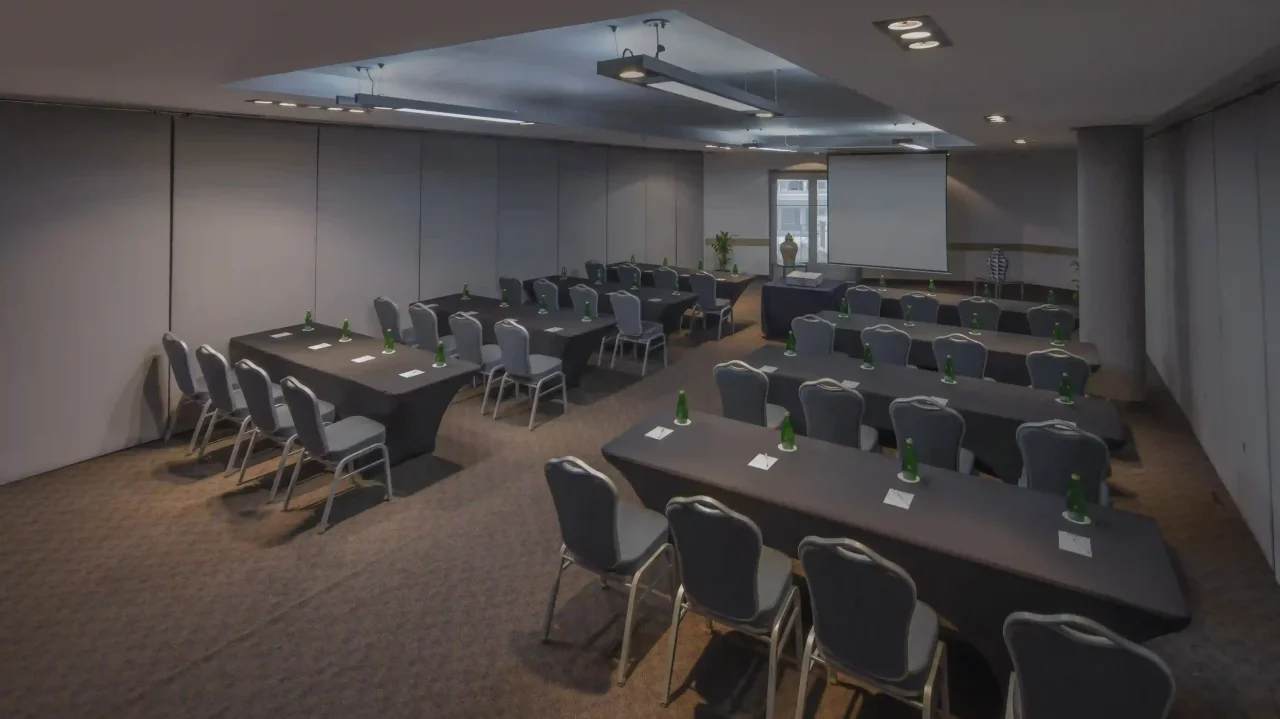
Effectively controlling the budget for a major property gathering requires a fundamental shift in perspective, moving away from simple consumer price comparisons and toward structural logistical audits. A persistent problem in event procurement is treating estate installations as a collection of standard commercial meeting rooms that happen to be surrounded by beautiful scenery. This simplified view ignores how a large physical footprint impacts operational costs.
A frequent error is assuming that a lower baseline room rate translates directly to a lower total event cost. For instance, comparing a 50-room historic manor house offering a low off-season room rate to a modern urban resort with higher face-value pricing often leads to misleading conclusions. The historic estate might feature lower room costs but lack essential internal infrastructure, such as dedicated high-speed fiber-optic connections, built-in audiovisual rigging, or local staging areas for catering.
Oversimplifying this analysis often leads organizations to cut costs in areas that create operational risks. Reducing the budget for internal shuttle transportation or lowering staff-to-guest ratios on a sprawling property can create immediate logistical bottlenecks.
True cost optimization looks past superficial discounts to audit how efficiently the venue moves goods, services, and people across its grounds. It identifies areas where the estate’s natural advantages—such as its on-site kitchens, internal transport fleets, and multi-use historic spaces—can be leveraged to reduce the need for expensive outside vendors. This strategic approach ensures that every dollar spent directly supports the event’s objectives while eliminating hidden operational premiums.
Historical Context and Systemic Financial Evolution
Historically, these expansive properties were designed as independent economic systems built to host extended gatherings for diplomats, ruling classes, and extended families. The hunting weekends and political salons of the nineteenth century established early models for estate hospitality, where long stays relied on on-site food production, dedicated service staff, and independent utility systems.
Early operators tried to apply urban hotel management models to properties with decentralized layouts. These early businesses quickly ran into financial bottlenecks, discovering that standard hotel procedures failed to manage the high maintenance costs of historic buildings, extensive private roads, and independent water and waste systems.
The rise of the information economy in the late twentieth century created a new demand for venues capable of hosting intensive corporate retreats. Organizations realized that open-plan offices and constant digital connectivity left teams little space for deep strategic thinking. This shift transformed estate hotels from passive vacation spots into highly specialized environments designed to host high-stakes organizational gatherings.
Today, this financial landscape faces new pressures from rising labor costs, inflation, supply chain disruptions, and strict environmental regulations. Modern properties must manage limited water allocations, rising energy costs for historic structures, and the need for complex digital security across remote areas.
Strategic Analytical Frameworks and Cost Models
To systematically evaluate and control the financial dynamics of a major property gathering, corporate planners can use several established operational frameworks. These models help break down complex properties into clear, predictable cost categories.
1. The Spatial Dispersion Cost Model
This framework maps expenses based on how far an activity moves from the estate’s primary infrastructure hub, helping planners identify hidden logistical premiums.
-
The Infrastructure Hub (The Central Manor): This zone contains the property’s main kitchens, built-in digital connections, and primary presentation spaces. Operating here features low variable costs, minimal labor setups, and direct access to on-site tech networks.
-
The Managed Ring (The Surrounding Gardens and Pavilions): This intermediate zone includes permanent structures like walled gardens, converted barns, or lakeside pavilions. Operating here requires modest labor premiums to transport food, set up temporary audiovisual gear, and deploy directional signage.
-
The Remote Periphery (The Outer Fields and Woodlands): This zone covers open pastures, hilltop ridges, or remote riverbanks. Holding events here triggers extreme operational premiums, requiring portable generators, temporary sanitation stations, heavy transportation setups, and extensive staff travel time.
By utilizing this spatial model, planners can intentionally schedule core presentations and large meals within the main infrastructure hub, reserving the remote periphery for short, low-infrastructure activities like team-building exercises or recreational breaks.
2. The Resource Capacity Limit Matrix
This framework determines the point at which an event’s size or complexity forces an estate to bring in expensive outside assets, helping planners design events that stay within the venue’s natural capabilities.
When an event stays within a property’s baseline capacity—using its existing room inventory, on-site catering staff, and in-house audiovisual gear—the cost curve remains stable. The moment the guest count or production requirements exceed this threshold, costs rise sharply. The property must bring in third-party catering teams, rent extra vehicles, and source technical support from urban centers, driving up expenses.
The execution scale flows through a direct relationship matrix:
-
Baseline Guest Count relates directly to On-Site Rooms & Staffing capabilities.
-
Extreme Production requirements directly trigger the need for Outside Vendors.
3. The Labor-Time Horizon Model
This model tracks how a property’s layout impacts staff efficiency. On a sprawling estate, a service team spends significant time simply moving between the central kitchen and remote presentation zones. If a setup requires multiple transitions across a 300-acre footprint, the total billable hours rise quickly, even if the actual service time remains short. Planners can use this framework to design continuous, single-zone schedules that minimize unnecessary staff movement and control overtime expenses.
Core Structural Categories and Operational Variations
Estate properties vary widely based on their primary land use, geographic location, and architectural style. Understanding these distinct categories allows procurement teams to match their event requirements with a venue’s natural operational advantages.
1. Agrarian and Viticultural Estates
These properties integrate luxury hospitality with working vineyards, orchards, or organic farms. They offer an authentic setting for culinary-focused retreats and high-end incentive gatherings. From a financial perspective, these venues provide cost-effective farm-to-table dining options by leveraging their own agricultural production. However, planners must coordinate schedules around seasonal farm operations, as harvest windows can limit available labor and create noise or logistical conflicts near outdoor event spaces.
2. Historic Manor and Castle Estates
Characterized by landmark-protected architecture, formal gardens, and deep historical context, these properties provide an elegant backdrop for board-level strategy sessions and executive summits. The primary financial challenge stems from the age of the structures, which often feature rigid layouts, limited electrical outlets, and strict historic preservation rules. This means planners must budget for specialized tech installers who can run secure data networks and temporary wiring without damaging historic materials.
3. Wilderness and Conservation Lodges
Situated within or adjacent to national parks, remote forests, or private wildlife reserves, these estates focus on low-impact operations, self-contained utilities, and nature-driven programming. They excel at hosting leadership retreats focused on sustainability or personal renewal. On the financial side, their remote locations drive up transportation costs for goods and attendees, requiring planners to budget for consolidated group arrivals and comprehensive on-site supply management.
4. Coastal and Private Island Estates
Properties facing marine environments, private beaches, and private docks offer absolute geographic isolation and complete control over the property’s perimeter. These venues are highly valued by high-security corporate sessions and private organizational summits. The operational challenges include managing higher maintenance costs due to salt-spray exposure, maritime transport logistics, and strict weather-dependent evacuation plans that require flexible contract terms.
5. Alpine and High-Altitude Mountain Estates
Located in remote valleys or elevated ridges, these estates offer dramatic natural backdrops and winter programming, making them excellent choices for team-building and high-end incentive retreats. Operating these properties requires factoring in seasonal accessibility dynamics. Winter events demand budgets for active snow removal, specialized heating systems, and flexible scheduling to accommodate potential transport access limits caused by alpine weather systems.
6. Desert and Arid Oasis Estates
Set within expansive desert landscapes, these properties leverage open space, unique desert architecture, and stark, minimal environments that promote deep focus and creative problem-solving. The core cost drivers center on high utility demands for climate control, strict regional water use fees, and the need for specialized landscape management to keep outdoor gathering spaces clear of sand encroachment.
| Estate Category | Fixed Infrastructure Capability | Variable Logistical Premium | Primary Hidden Cost Driver | Strategic Procurement Focus |
| Agrarian & Viticultural | Medium | High | Seasonal labor shifts; farm noise | Fixed-price farm-to-table menus |
| Historic Manor & Castle | High | Medium | Temporary tech setups; electrical gaps | In-house tech and AV packages |
| Wilderness & Conservation | Low | Extreme | Remote supply shipping; power limits | Consolidated transport; all-inclusive rates |
| Coastal & Private Island | Medium | Extreme | Maritime transit; salt-weather wear | Multi-day exclusive buyout terms |
| Alpine & Mountain | Extreme | High | Snow management; heating needs | Weather contingency allowances |
| Desert & Arid Oasis | Medium | High | High cooling fees; water surcharges | Off-peak energy and utility contracting |
Decision Logic for Property Selection
When selecting an estate category, procurement teams must analyze the primary goal of the gathering against the venue’s built-in capabilities. If an organization requires heavy technical infrastructure and high-bandwidth secure data connections for global video conferencing, a historic manor estate with dedicated fiber-optic infrastructure is preferred over an off-the-grid wilderness lodge.
This decision logic helps planners select venues whose existing assets match the event’s technical needs, avoiding the significant expense of building temporary infrastructure in remote locations.
Detailed Real-World Cost Optimization Scenarios
Analyzing how estate venues handle real-world operational challenges highlights the specific strategies and logistical decisions needed to control budgets effectively.
Scenario 1: Managing an Executive Summit at an Alpine Estate During an Unseasonal Storm
A technology firm hosts a 40-person executive retreat at a remote mountain estate, which is hit by an unseasonal early winter storm that drops three feet of snow over 48 hours.
-
The Constraints: The main access road is closed by local authorities. The property must transition to its backup generators due to a regional power failure, and the group’s planned outdoor team-building activities must be moved indoors immediately.
-
The Decision Points: The procurement director must choose between extending the event contract to keep guests safely on-site or paying emergency clearance fees to open a secondary service road for transport vans.
-
Failure Modes: Without a clear weather contract clause, the estate might charge premium, last-minute rates for emergency indoor room setups, extra generator fuel, and extended food service, driving the event budget significantly over its target.
-
Second-Order Effects: Unplanned generator use can drain the property’s fuel reserves, forcing management to limit heating in auxiliary buildings and consolidate all group activities into a single wing of the main house.
Scenario 2: Controlling Catering and Setup Costs at a Sprawling Viticultural Estate
An organization hosts a three-day strategy retreat for 60 attendees at an expansive vineyard estate, planning a rotating schedule across four separate outdoor locations.
The operational analysis reveals an important dynamic:
-
Proposed Rotating Schedule: Planning four separate outdoor locations across a 200-acre vineyard creates a distinct operational challenge.
-
The Core Conflict: This movement triggers skyrocketing labor hours and notable food temperature drops during long transits.
-
Optimized Single-Zone Workflow: To eliminate these costs, all key activities can be centered tightly around the main pavilion and lawn area.
-
The Constraints: The estate’s central kitchen is located a mile from the preferred hilltop sunset terrace. Moving hot meals, glassware, and seating to this remote location requires significant staff time and introduces food quality risks.
-
The Decision Points: The planner must choose between paying the estate’s high setup fees for a remote outdoor dinner or restructuring the schedule to hold main meals on the central terrace, using the hilltop spot just for a brief evening toast.
-
Failure Modes: If the team attempts a full formal dinner on the remote hilltop without booking a mobile field kitchen, food temperatures will drop during transit, requiring staff to make extra trips that drive up labor costs.
-
Second-Order Effects: The increased use of utility vehicles over unpaved farm paths can damage the estate’s lawns, leading to post-event property restoration charges.
Planning, Cost, and Resource Allocation Dynamics
Controlling expenses at an estate property requires an understanding of how upfront commitments impact long-term operational costs. Event planners often focus entirely on negotiated room rates, overlooking the variable fees that accumulate during a multi-day gathering.
Understanding Direct, Indirect, and Choice Expenditures
Direct expenses—such as room blocks, main function space rentals, and standard menu pricing—are straightforward and easy to track. Indirect costs are more subtle and often emerge during the event, including fuel surcharges for internal transport vans, extra power installation fees for large staging setups, and overtime labor costs for late-night cleanups in historic structures.
Choice expenditures involve balancing operational priorities. For example, opting for a full property buyout grants the organization complete privacy and total control over the event schedule, but it requires paying for the venue’s entire room inventory, even if some beds remain empty. A smart financial plan tracks these cross-departmental dynamics, ensuring that buyout premiums are offset by reductions in security, staging, and venue rental fees.
| Operational Expense Category | Baseline Financial Commitment | Premium Escalation Factors | Primary Financial Risk | Cost Optimization Strategy |
| Full Property Buyout | High | Minimum room occupancy targets | Paying for unutilized room inventory | Multi-year commitments; off-peak booking |
| Decentralized Catering | Medium | Distance from kitchen; remote staging | High labor overtime; food waste | Single-zone menus; adjacent setups |
| Technical & AV Setup | High | Historic masonry rules; power gaps | High third-party rental surcharges | Utilizing built-in venue tech packages |
| Internal Guest Transport | Low | Spread-out layouts; short schedules | High vehicle rental and fuel fees | Consolidated arrivals; walkable schedules |
Tactical Systems, Strategies, and Logistical Tools
To control event costs without affecting the guest experience, procurement teams can implement several practical strategies, tools, and communication workflows.
-
Consolidated Property Sourcing: Rather than hiring multiple specialized vendors, planners can work with properties that offer comprehensive, in-house packages. Using the estate’s internal catering, audiovisual gear, and design assets eliminates third-party transport fees and coordination markups.
-
Single-Zone Operational Scheduling: Designing the event program to keep activities within a clear geographic area minimizes the need to move heavy furniture, presentation setups, and catering gear across the property, keeping labor costs stable.
-
Integrated Digital Site Inspection Maps: Utilizing interactive digital layout maps allows planners to view the exact location of power junctions, network ports, and service paths, avoiding the unexpected cost of renting long cable runs or temporary generators.
-
Localized Menu Planning: Working with the estate’s culinary team to build menus around items grown directly on-site or sourced from local farms reduces food transport costs and avoids supply chain premiums.
-
Multi-Use Function Space Planning: Selecting flexible rooms that can transition smoothly from morning presentation halls to evening dining spaces reduces total venue rental fees and streamlines setup workflows.
-
Collective Guest Arrival Coordination: Arranging centralized group shuttles from regional transit hubs prevents the high cost of multiple individual private car services, reducing total transport expenses.
-
Shared Utility Schedules: Coordinating with the estate’s facilities team to align event timing with routine property maintenance ensures that activities do not conflict with loud landscaping work or require expensive adjustments to building services.
Financial Risk Landscapes and Interconnected Failure Modes
The primary challenge of managing budgets across a large property is that financial risks are deeply interconnected. A minor planning oversight in one area can quickly create an expensive logistical problem across multiple departments.
The Compounding Cost Matrix
Siloed Contract Management: This occurs when different teams book vendors independently without coordinating through a central budget manager. For example, the presentation team might hire an outside staging company that requires early access to a historic hall, unaware that the procurement team failed to negotiate early-arrival terms with the venue. This oversight triggers last-minute facility fees and forced overtime for the estate’s maintenance staff.
Cascading Logistical Issues: On large properties, delays in one area can disrupt the entire schedule. If an afternoon presentation runs long, the catering team must delay dinner service. On a sprawling estate, this delay means food must be held in heated transport units, increasing energy use, driving up staff overtime across the kitchen and service teams, and ruining food quality.
The underlying vulnerability moves through an explicit operational chain:
-
The Siloed Operation begins when the land team clears a remote trail without coordination.
-
This leads directly to a Cascading Failure, where sudden erosion runoff blocks a core drainage channel.
-
The final outcome is a Regulatory Breach, occurring when protected regional stream beds become heavily silted.
Regulatory Compliance Costs: Operating a large event within historic structures or protected natural areas requires strict adherence to local codes. Failing to review noise ordinances or weight limits before bringing in heavy production equipment can lead to structural damage, immediate project stops by local authorities, and significant municipal fines.
To prevent these compounding risks from driving budgets over budget, procurement teams must establish clear, centralized control lines. Every vendor contract, scheduling update, and layout change must clear a central manager who can evaluate how the change impacts the estate’s overall operational costs.
Long-Term Governance, Review Cycles, and Maintenance Protocols
An event budget should not be a static document that is filed away after initial approvals. It must function as a living financial system that adapts alongside schedule changes, vendor updates, and contract revisions throughout the planning process.
The Financial Lifecycle
To maintain strict cost control, management must commit to a structured review process. This cycle combines regular budget updates with deep audits to spot and resolve financial leaks early.
-
Weekly Budget Reconciliations: A regular meeting where the event planner and procurement officer review updated vendor quotes, schedule adjustments, and guest counts to address potential budget overruns early.
-
Post-Phase Contract Audits: Held after major planning milestones—such as finalizing venue spaces or confirming catering menus—to verify that all items match original contract terms and do not introduce hidden fees.
-
Final Financial Reviews: A thorough audit completed after the event to compare actual expenses against the initial budget, helping teams identify efficiency patterns for future property gatherings.
Layered Financial Control Protocols
Immediate Procurement Commitments
-
Confirm that the venue contract includes built-in access to existing power, Wi-Fi, and basic audiovisual gear.
-
Verify that guest room cancellation policies and minimum occupancy targets feature flexible windows.
-
Ensure all venue rental rates cover standard setup, teardown, and basic cleaning fees.
Mid-Phase Logistical Alignments
-
Audit planned catering setups to ensure meals are served near the main kitchen to control labor hours.
-
Review production vendor schedules to prevent forced overtime charges for late-night installations.
-
Map all electrical needs to ensure the event stays within the property’s existing power grid capacity.
Final Event Compliance
-
Review the master invoice line-by-line alongside the original contract to verify all service hours and item counts.
-
Confirm that any adjustments made during the event were approved in writing by the central budget manager.
-
Document all hidden fees or operational premiums to improve venue negotiations for future gatherings.
Measurement, Tracking, and Evaluation Frameworks
Evaluating the financial success of a major property gathering requires looking beyond the final invoice total. True fiscal efficiency is measured by analyzing a balanced mix of leading and lagging financial indicators across the entire planning lifecycle.
Leading vs. Lagging Financial Metrics
Leading financial indicators function as early warning signals, helping teams spot potential overruns before they lock in. For example, tracking the ratio of custom menu items to standard venue offerings can predict food budget variances early. Similarly, monitoring the total number of distinct event zones on a sprawling estate provides a clear preview of upcoming labor costs, as extra zones demand more setup and teardown hours.
Lagging indicators measure the final results of the cost-control strategies. These metrics include calculating the variance between the initial budget and actual spend, tracking total third-party rental expenses, and analyzing the average cost per attendee across transport, food, and venue services.
Core Budget Management Records
To maintain clear financial records and ensure consistent execution across planning teams, procurement departments should rely on three primary tracking documents:
-
The Consolidated Expense Tracker: A live database that logs every approved quote, contract revision, and payment milestone, giving stakeholders an instant view of the event’s total financial status.
-
The Spatial Labor Ledger: A detailed record that maps staff hours against specific event zones, helping planners identify which locations drive the highest operational premiums.
-
The Post-Event Variance Report: A thorough analysis that compares initial projections with final line-item costs, documenting the root causes of any overruns to guide negotiations for future gatherings.
Common Financial Misconceptions and Industry Myths
Myth 1: Off-season room rate discounts always yield a lower total event cost
The Reality: Low baseline room rates can mask high hidden expenses. If a property cuts its rates but lacks essential internal tech, transport, or catering infrastructure, the organization will pay significant premiums to bring in outside assets, erasing any initial savings.
Myth 2: Booking outside vendors is always cheaper than using in-house estate services
The Reality: Third-party suppliers often look more affordable on paper, but they frequently add delivery fees, travel expenses, and setup surcharges to navigate a complex estate layout. Leveraging the venue’s built-in assets usually reduces total costs.
Myth 3: Spreading activities across multiple remote locations maximizes the value of the venue
The Reality: Creating a scattered schedule drives up labor hours, requires extra equipment rentals, and complicates food service logistics. Centering core activities within a main hub stabilizes the budget while preserving the estate’s natural charm for guest breaks.
Myth 4: All-inclusive estate packages feature hidden markups that should be avoided
The Reality: Comprehensive in-house bundles typically provide the best value by eliminating variable transport and coordination fees. These packages give planners fixed, predictable pricing across rooms, food, and venue rentals.
Myth 5: Cutting transport fleets on large properties is an easy way to save money
The Reality: Reducing internal shuttle services creates immediate logistical bottlenecks. Delays in moving guests between zones force catering and presentation teams to hold services, which drives up kitchen labor costs and disrupts the event schedule.
Myth 6: Post-event property damage fees are unpredictable and unavoidable
The Reality: Most restoration charges stem from poor vendor planning, such as driving heavy production trucks over unprotected lawns. Setting clear routing rules and reviewing property guidelines beforehand prevents these unexpected fees.
Ethical, Local, and Regional Economic Contexts
Controlling event expenses at an estate property involves decisions that can ripple far beyond the venue’s boundaries. Because these large estates are often central pillars of local rural economies, procurement choices can directly affect surrounding communities and regional supply chains.
Sourcing Locally and Supporting Regional Networks
When a corporate group insists on bringing in specialized food products, design decor, and technical equipment from distant urban centers, they drive up transport costs and miss an opportunity to support the local economy. Working with local farms, regional artisans, and nearby technical suppliers reduces shipping fees, lowers the event’s carbon footprint, and builds positive relationships with the community.
Fair Compensation and Sustainable Labor Practices
Negotiating extreme discounts can put unintended pressure on the estate’s frontline staff. To meet unrealistic price targets, a venue may reduce staff numbers or cut hours for seasonal workers, leading to overwork and low morale that directly degrades the guest experience. Sustainable procurement strategies focus on fair pricing that respects local labor, ensures proper compensation, and maintains a high level of service throughout the event.
Conclusion
Successfully managing the budget for a major gathering requires an understanding of how an estate’s physical layout, historical architecture, and operational systems interact with the event’s goals. True efficiency is never achieved through last-minute budget cuts or by selecting the cheapest face-value rates. Instead, it relies on designing a seamless plan that leverages the venue’s built-in advantages while minimizing unnecessary logistical demands.
By organizing activities within central infrastructure hubs and utilizing frameworks like the Spatial Dispersion Cost Model, procurement teams can control labor hours and eliminate the need for expensive third-party equipment rentals.
As economic landscapes shift and organizational budgets face greater scrutiny, the ability to design logistically efficient events will separate successful planners from underperforming teams. A structured, data-driven approach to property management ensures that organizations can continue to host high-stakes, impactful gatherings on premium estate properties in a fiscally responsible manner.