Estate Hotel Coordination Plans: Complete Operational Guide
The intersection of luxury hospitality, historic preservation, and complex asset management requires a distinct operational architecture. When a sprawling geographic footprint—often featuring disparate structures, sensitive ecosystems, and multi-layered revenue streams—is operated under a unified hospitality brand, standard operating procedures for conventional hotels fail to suffice. Managing these environments demands a specialized blueprint capable of harmonizing guest experience, ecological stewardship, asset preservation, and municipal compliance.
At the center of this operational matrix are estate hotel coordination plans. These plans serve as living organizational governance frameworks. They bridge the gap between long-term master planning and daily frontline execution. Unlike a standard urban hotel manual, which primarily addresses vertical spatial management and rapid guest turnover, an estate-scale plan must account for horizontal vastness, variable microclimates, agricultural integration, and the preservation of historic fabric. When these elements are left uncoordinated, operational friction inevitably degrades both the physical asset and the guest experience.
Developing and executing these frameworks requires navigating an intricate web of competing priorities. For instance, the culinary department’s desire for an authentic farm-to-table program can easily clash with the landscape team’s land-management constraints or local water-use regulations. Similarly, high-impact guest events, such as buyout weddings or corporate retreats, can stress aging infrastructure if logistics are not precisely integrated with facilities management.
Understanding these plans requires looking past the surface-level polish of a luxury resort to examine the underlying systems that keep it functioning. This article provides a comprehensive analysis of the structural frameworks, operational realities, and risk-mitigation strategies required to design, implement, and maintain effective estate hotel coordination plans.
Understanding “Estate Hotel Coordination Plans”
To understand this concept, one must first recognize that an estate hotel is not merely an expanded resort. It is a complex ecosystem where hospitality coexists with land management, heritage conservation, and often, primary production like viticulture, agriculture, or forestry. Consequently, estate hotel coordination plans are defined as integrated, cross-departmental operational frameworks designed to synchronize the physical maintenance, environmental stewardship, and guest-facing activities of a multi-structure, land-intensive hospitality enterprise.
A common misunderstanding within the hospitality industry is treating these plans as a collection of disjointed departmental binders. A housekeeping manual, a landscape maintenance schedule, and an event banquet order form do not collectively constitute a coordination plan. When these documents exist in isolation, departments optimize for their own narrow metrics at the expense of the broader estate.
For example, a landscaping team might schedule heavy lawn aeration and fertilization based purely on agronomic calendars. However, if this schedule overlooks a high-profile corporate buyout, the result can be ruined views, noise disruptions, and chemical odors during a premium guest booking. True coordination plans prevent these conflicts by establishing shared workflows and clear decision hierarchies across all departments.
Oversimplifying these frameworks often leads operators to adopt off-the-shelf property management software, assuming technology can substitute for clear governance. This approach misses the core challenge of estate management: the physical friction of distance and decentralization.
Unlike a single-building hotel where a maintenance technician can ride an elevator to resolve an issue in minutes, an estate hotel may require navigating miles of unpaved paths, managing decentralized septic systems, or crossing public rights-of-way. Therefore, the coordination plan must serve as both a conceptual alignment tool and a practical operational guide. It must dictate how data flows, how decisions are escalated, and how physical resources are deployed across a vast layout.
Deep Contextual Background and Evolution
The modern estate hotel evolved from the historic country house, European manor, and agrarian plantation. Historically, these expansive properties functioned as self-sustaining economic units. They relied on hierarchical, highly specialized workforces managed by a central estate land agent. Security, agriculture, building maintenance, and domestic hospitality were all supervised by a single authority figure who balanced seasonal yields against long-term property upkeep.
As the global economy shifted throughout the twentieth century, maintaining these large estates through private wealth became increasingly untenable. Many properties faced a choice between subdivision, decay, or commercial adaptive reuse. Those that transitioned into luxury hospitality initially adopted conventional hotel management structures.
However, operators quickly discovered that traditional urban hotel models were a poor fit for estates. Standard hotel models assume centralized utility infrastructure, municipal waste management, uniform building codes, and a concentrated physical layout. Early estate conversions often suffered from rapid infrastructure degradation, high staff burnout, and unpredictable guest experiences because they lacked the holistic systems needed to manage decentralized assets.
In the late twentieth and early twenty-first centuries, the luxury travel market shifted toward experiential luxury, wellness, and agro-tourism. This evolution transformed the surrounding land from a scenic backdrop into a core part of the guest experience. Guests no longer wanted to just look at a historic vineyard or orchard; they expected to walk through it, dine within it, and consume products harvested directly from it.
Today, this challenge is compounded by volatile weather patterns, stricter environmental regulations, and the need for digital connectivity across large rural properties. Modern estate hotel coordination plans have evolved from basic maintenance checklists into highly sophisticated operational frameworks. They must balance modern hospitality demands with the unique constraints of historic and rural real estate.
Conceptual Frameworks and Mental Models
To construct a resilient coordination plan, operators can draw on several established organizational and engineering mental models. These frameworks help break down the complexities of an estate into manageable, logical components.
1. Pace Layering (Architectural and Operational)
Adapted from Stewart Brand’s concept of how buildings learn and evolve, Pace Layering views the estate hotel as a system composed of multiple layers that move and change at different speeds.
-
The Site (Slowest): The permanent geography, ancient trees, and natural topography. Changes here take decades or centuries.
-
The Structure: The historic foundations and exterior walls. Changes happen every 30 to 50 years and require rigorous permitting.
-
The Services: Mechanical, electrical, plumbing, and digital infrastructure. These require updates every 7 to 15 years.
-
The Space Plan: Interior layouts, room configurations, and back-of-house flows. These shift every 5 to 7 years to meet market trends.
-
The Stuff (Fastest): Furniture, operational equipment, guest amenities, and daily setups. These change daily, weekly, or seasonally.
An effective coordination plan ensures that fast-moving layers (such as daily event setups) do not damage or compromise slow-moving layers (such as historic structures or ancient root systems). For instance, it prevents driving heavy event vehicles over sensitive ground where they could crush underground utilities or compact soil around historic trees.
2. Socio-Ecological Systems Framework
This model treats the estate hotel not just as a business, but as an interactive ecosystem where human behavior and natural environments constantly influence each other. Under this framework, a change in one area triggers reactions across the entire property.
If the marketing department promotes a new woodland trail to increase guest engagement, this framework requires the operations team to analyze how increased foot traffic will affect soil compaction, local wildlife, and trail erosion. It also prompts facilities to plan for trash removal and emergency access along the trail. The coordination plan maps these interactions to keep human activity from degrading the natural assets that attract guests in the first place.
3. High-Reliability Organizing
Originally developed for high-risk environments like aircraft carriers and nuclear power plants, high-reliability principles apply directly to the back-of-house operations of an estate hotel. These properties often operate decentralized infrastructure—such as private water filtration plants, complex biomass heating networks, and extensive vehicle fleets—where a failure can halt operations across the entire property.
The plan uses these principles by focusing on deference to expertise. In a crisis, such as a major water main break on a remote section of the property, decision-making authority shifts away from traditional corporate hierarchies and directly to the field engineers who know the infrastructure best. This ensures rapid, technically sound responses that protect the estate’s long-term operations.
Key Categories and Operational Variations
Estate hotels vary widely based on geography, architecture, and primary land use. A coordination plan tailored for a historic European manor will look very different from one designed for an expansive African safari lodge or a North American wine country estate.
Operational Archetypes
-
Agritourism and Working Land Estates: These properties combine luxury hospitality with active farming, orchards, or vineyards. The coordination plan must prioritize biosecurity, manage the seasonal movements of heavy agricultural machinery, and schedule pesticide applications to avoid guest areas.
-
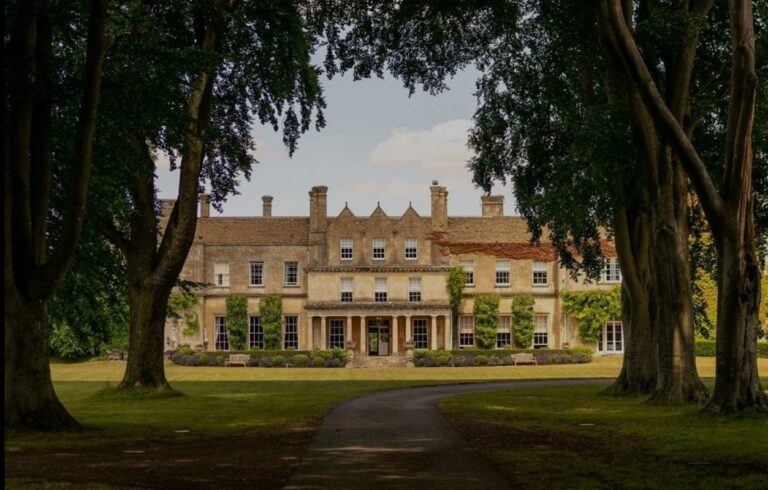
Historic Monastic and Manor Estates: Characterized by aging, landmark-protected structures and formal gardens. The plan focuses on strict preservation rules, microclimate control within old masonry walls, and careful weight limits for vehicles on historic bridges and pathways.
-
Conservation and Wilderness Lodges: Situated within or adjacent to national parks or protected wildlife reserves. These plans emphasize environmental impact mitigation, self-contained waste loops, wildlife safety protocols, and off-grid utility management.
-
Coastal and Island Estates: Properties facing marine environments, private beaches, and docks. The plan must prioritize marine conservation, manage intense salt-spray corrosion on infrastructure, and maintain strict emergency evacuation protocols for severe weather.
| Archetype | Primary Operational Risk | Core Coordination Focus | Key Infrastructure Constraint |
| Agritourism / Working Land | Chemical exposure; heavy machinery accidents | Scheduling farm work around guest movements | Pesticide drift buffers; unpaved road upkeep |
| Historic Manor / Monastic | Structural damage to protected buildings | Strict preservation compliance; structural load limits | Outdated plumbing; limited electrical capacity |
| Conservation / Wilderness | Wildlife conflicts; environmental degradation | Resource self-sufficiency; low-impact operations | Off-grid power; decentralized waste systems |
| Coastal / Island Estates | Accelerated salt corrosion; severe weather | Weather preparedness; maritime safety compliance | Marine exposure; limited fresh water access |
Decision Logic for Archetype Alignment
When determining how to build out a coordination plan, management must evaluate the property’s primary asset type against its operational constraints. If an estate falls into multiple categories—such as a historic manor that also operates a commercial vineyard—the coordination plan must use a tiered decision hierarchy.
In this scenario, historic preservation compliance usually takes priority over agricultural efficiency. For example, vineyard harvesting machinery cannot use routes that risk damaging historic stone archways, even if those routes are the most direct paths to the production facility.
Detailed Real-World Scenarios and Case Studies
Examining hypothetical yet realistic scenarios demonstrates how estate hotel coordination plans function under operational pressure.
Scenario 1: The Peak-Season Wedding Buyout at a Vineyard Estate
A luxury wine-country estate with 40 guest rooms hosts a full-property buyout wedding for 200 guests. This event takes place during the annual grape harvest, which is the vineyard’s busiest and most time-sensitive operational window.
-
The Constraints: The harvest cannot be delayed without risking crop loss, yet harvest operations involve loud tractors, pungent fermentation odors, and active work crews starting at 4:00 AM. Meanwhile, the wedding event requires quiet zones, pristine backdrops, and exclusive use of the central courtyard.
-
The Decision Points: The coordination plan must establish clear, non-negotiable rules for shared infrastructure. It maps out separate transport routes, directing agricultural vehicles to peripheral service roads while keeping main driveways clear for guest arrivals and catering vans.
-
Failure Modes Without a Plan: Lacking a unified plan, a tractor carrying tons of harvested grapes could get stuck behind an arriving guest transport on a narrow, unpaved road. This delay stalls production at the crush pad and leaves arriving VIP guests waiting on a dusty road.
-
Second-Order Effects: The delay cascades through the kitchen, throwing off dinner service timing, while the dust kicked up by the vehicles settles over the outdoor ceremony space, creating extra work for the housekeeping and setup teams.
Scenario 2: Severe Weather Management at a Historic Coastal Estate
A historic estate located on an exposed coastline experiences an unseasonal storm system bringing high winds, torrential rain, and storm surges during a period of high occupancy.
-
The Constraints: The property features historic structures with vulnerable roofing, expansive gardens with ancient specimen trees, and a decentralized layout where guests walk between separate accommodation cottages and a central dining hall.
-
The Decision Points: The coordination plan contains an automated weather trigger matrix. When wind speeds cross a specific threshold, the plan shifts the property from standard hospitality operations into an active mitigation mode.
-
Operational Execution: Facilities teams immediately clear drainage channels and secure outdoor furniture. Simultaneously, the guest services team switches from outdoor cart transport to enclosed, heavy-duty four-wheel-drive vehicles, rerouting guests through protected paths.
-
Second-Order Effects: Because the plan includes pre-arranged indoor alternatives for all outdoor dining and guest activities, the food and beverage team can pivot seamlessly without scrambling for space or lowering service standards during the storm.
Planning, Cost, and Resource Dynamics
Implementing a robust coordination plan requires a clear understanding of both direct and indirect financial commitments. Operators often underestimate the long-term capital required to maintain decentralized estate operations, leading to deferred maintenance and operational bottlenecks.
Direct vs. Indirect Costs
Direct costs are easily trackable, encompassing dedicated personnel like estate managers, specialized property management software, and regular maintenance equipment. Indirect costs are more subtle but equally impactful. They include the productivity lost when staff spend time traveling across a large property, the accelerated wear and tear on vehicles driven over varied terrain, and the administrative hours spent securing permits from agricultural and historic preservation boards.
Opportunity costs must also be factored into the financial model. For example, leaving a historic pasture fallow to preserve an unobstructed view for guests means giving up the potential revenue of leasing that land for grazing or farming. A well-designed coordination plan balances these trade-offs, ensuring that aesthetic choices support the property’s overall business viability.
| Resource Category | Direct Cost Elements | Indirect Cost Elements | Cost Mitigation Strategy |
| Fleet & Transport | Vehicle purchase; fuel; specialized maintenance | Travel time productivity loss; road wear | Route optimization; right-sizing fleet vehicles |
| Facilities Maintenance | Specialist contractor fees; materials | Administrative permitting; compliance delays | Multi-year preventative maintenance contracts |
| Land Management | Arborist services; drainage; erosion control | Forgone land revenue; water use restrictions | Integrating agricultural leases with guest activities |
| Labor Allocation | Dedicated estate coordinators; tech support | Cross-training inefficiencies; staff burnout | Tiered scheduling; localized department hubs |
Tools, Strategies, and Support Systems
To operationalize an estate plan, teams need a mix of specialized software, customized hardware, and clear communication strategies.
-
Geographic Information Systems: Unlike standard property management systems, digital mapping allows operators to log every subsurface utility line, historic tree, irrigation valve, and emergency access route on an interactive map. This system prevents maintenance crews from accidentally cutting critical lines during landscaping work.
-
Mesh Network Communications: Large estates often suffer from cellular dead zones. Installing a property-wide mesh network ensures that facilities, housekeeping, and medical teams remain connected via real-time tracking and communication tools, no matter how remote their location on the property.
-
Predictive Maintenance Sensors: Placing sensors on critical, decentralized infrastructure—like remote septic pumps, water cisterns, and HVAC systems in historic buildings—allows teams to catch and fix issues before they escalate into disruptive failures.
-
Zoned Housekeeping Protocols: To address the time lost traveling across large properties, coordination plans often use a zoned approach. Housekeeping teams are assigned to specific sectors and equipped with mobile supply hubs, reducing unnecessary trips back to a central linen room.
-
Cross-Departmental Job Shadowing: Building empathy across teams is crucial. Having food and beverage staff spend time with the land management crew helps them understand the work required to maintain the estate’s gardens, leading to better communication and realistic expectations on both sides.
-
Low-Impact Transport Fleets: In sensitive historic zones or wilderness reserves, traditional vehicles may be too loud or heavy. Utilizing electric carts, bicycles, or low-impact transport for security and maintenance patrol minimizes environmental impact and protects the property’s peaceful atmosphere.
Risk Landscape and Failure Modes
The primary challenge of managing an estate hotel is that risks rarely stay confined to a single department. A failure in land management can quickly trigger an infrastructure crisis that hurts the guest experience.
Compounding Risk Taxonomy
-
Siloed Communication Failures: This occurs when departments operate independently without consulting the central plan. A classic example is the greenkeeping team shutting down a major water valve for routine line flushing without notifying the culinary team, leaving the kitchen without water during a busy lunch service.
-
Infrastructure Cascades: On an estate, utility systems are often interconnected. A blockage in a remote wastewater line can back up through the system, causing fixtures to fail in luxury guest villas far down the line.
-
Regulatory Non-Compliance: Operating a commercial business on historic or agricultural land involves navigating complex local regulations. Failing to file the correct environmental permits for trail maintenance can result in costly fines, halted projects, and negative public relations.
To mitigate these compounding risks, estate hotel coordination plans must establish clear escalation paths. When a frontline team member spots an anomaly—such as a drop in water pressure or an unusual odor near a drainage ditch—they must have a direct, non-hierarchical path to report it to the engineering team before it impacts the rest of the property.
Governance, Maintenance, and Long-Term Adaptation
An estate coordination plan cannot be a static document that sits on a shelf. It must function as a living operational framework that evolves alongside the property’s physical environment and business goals.
The Governance Lifecycle
To keep the plan relevant, management must commit to a structured review process. This cycle combines quick weekly alignments with deep annual audits to ensure the framework adapts to changing conditions.
-
Weekly Operational Lookaheads: A cross-departmental meeting where teams review the upcoming week’s guest profiles, scheduled events, and major maintenance projects to flag and resolve potential conflicts early.
-
Seasonal Adjustment Audits: Held four times a year, these reviews adjust the coordination plan for upcoming weather shifts, agricultural harvests, and seasonal staffing changes.
-
Annual Strategic Reviews: A comprehensive audit where leadership updates the core plan to reflect regulatory changes, major capital improvements, and long-term land management goals.
Measurement, Tracking, and Evaluation
Evaluating the success of estate hotel coordination plans requires looking beyond traditional hospitality metrics like RevPAR (Revenue per Available Room) or Net Promoter Scores. True operational health is found by tracking a balance of leading and lagging indicators across all departments.
Leading vs. Lagging Indicators
Leading indicators act as early warning signals, helping teams spot potential issues before they disrupt operations. For example, tracking the completion rate of preventative maintenance tasks on remote water infrastructure can predict and prevent utility failures during peak season. Similarly, monitoring employee turnover in high-stress roles, like estate drivers or trail guides, can highlight underlying issues with training or scheduling balance.
Lagging indicators measure the final results of the coordination efforts. These include tracking total capital losses from infrastructure failures, monitoring year-over-year changes in landscape restoration costs, and analyzing guest complaints related to estate logistics, such as noise from agricultural machinery or delays in room shuttle services.
Operational Documentation Examples
To maintain a clear historical record and ensure consistent execution, properties should rely on three core operational documents:
-
The Spatial Conflict Log: A shared digital database where departments log upcoming projects. The system flags instances where multiple teams try to use the same area at the same time, such as scheduling historic masonry repairs in a courtyard during a premium weekend booking window.
-
The Asset Condition Index: A comprehensive ledger that tracks the physical health of every structure, roadway, bridge, and major utility system across the property. This index dictates how capital improvement funds are allocated each year.
-
The Microclimate Variance Map: A live dataset that tracks temperature, wind, and soil moisture variations across different zones of the estate. This information helps operations teams adjust HVAC settings in historic buildings, fine-tune irrigation schedules, and plan comfortable outdoor setups for guest events.
Common Misconceptions and Oversimplifications
Myth 1: Scaling up standard hotel software solves estate logistics
The Reality: Standard property management systems are designed for vertical spaces with centralized utilities. They lack the geographic tools needed to manage decentralized assets, track travel times across large properties, or coordinate agricultural work with guest schedules.
Myth 2: Landscaping and hospitality can operate on separate schedules
The Reality: On an estate, the land is part of the hospitality experience. If landscaping teams operate in an isolated silo, their work will eventually disrupt guests through noise, odors, or blocked access routes.
Myth 3: Historic buildings should be modernized just like urban hotels
The Reality: Forcing modern, centralized HVAC and plumbing systems into historic structures without careful planning often traps moisture, damages original masonry, and compromises the building’s structural integrity over time.
Myth 4: Adding more vehicles always fixes transport delays
The Reality: Flooding an estate with more carts and vans often leads to traffic bottlenecks on narrow, unpaved roads. It also increases dust, noise, and environmental wear. True efficiency comes from smart routing and scheduled dispatching.
Myth 5: Agricultural leases on hotel land are purely financial arrangements
The Reality: If outside farming tenants operate without clear guidelines, their activities can ruin views, create biosecurity risks, and conflict with high-profile guest events. Leases must be fully integrated into the estate’s overall coordination plan.
Myth 6: Guest experience teams don’t need to understand utility layouts
The Reality: When front-of-house staff understand the property’s layout and utility constraints, they can manage bookings smarter, set realistic expectations for guests, and help catch infrastructure issues before they escalate.
Ethical, Practical, and Contextual Considerations
Operating a large estate hotel brings significant responsibilities that extend far beyond the property lines. Because these properties often dominate local rural economies, management decisions can deeply impact surrounding communities, ecosystems, and historical narratives.
Environmental Stewardship and Water Security
Large estates often draw heavily on local water tables, rivers, or municipal supplies to maintain pristine lawns, filling swimming pools, and supporting agricultural operations. In arid regions or areas facing drought, this consumption can strain relations with neighboring communities and local farmers.
Resilient coordination plans must prioritize water conservation. This means installing greywater recycling loops, prioritizing native plants in landscaping, and using smart drip-irrigation networks. Managing water responsibly protects both the local ecosystem and the estate’s long-term operational viability.
Labor Dynamics in Rural Economies
Estate hotels are often the primary employer in rural areas. While they bring steady jobs, they can also warp local labor markets by pulling workers away from traditional agriculture and community services. Furthermore, the split between the affluent guests visiting the property and the local workforce running it can create social friction if not managed thoughtfully.
Ethical estate management requires investing in the local workforce through fair wages, professional development, and cross-training programs. By training staff in specialized skills—like historic building preservation, sustainable agriculture, and advanced facility engineering—the estate helps build a resilient local workforce, turning operational costs into long-term investments in the community.
Navigating Historic Narratives
When an estate hotel occupies a site with a complex history, such as a colonial-era plantation, a converted monastery, or a historic feudal manor, the property must handle its past with care and transparency. Glossing over difficult history to create a simplified, romanticized experience for guests risks alienating local communities and drawing public criticism.
Coordination plans should guide how the property’s history is shared through architecture, guest materials, and staff training. Working alongside local historians and community leaders ensures the property presents an authentic, respectful narrative. This approach honors the site’s heritage while enriching the guest experience through genuine cultural preservation.
Conclusion
Managing an estate hotel requires balancing the immediate needs of luxury hospitality with the long-term demands of land stewardship and asset preservation. Traditional hotel models fall short in these vast, decentralized environments. Instead, operators must rely on robust estate hotel coordination plans to connect long-term planning with daily front-of-house service.
By viewing the estate through structured mental models like Pace Layering and Socio-Ecological Systems, leadership can design operations that protect fragile historic fabrics and natural environments from the wear and tear of daily guest activities. Success relies on breaking down departmental silos, utilizing specialized tools like GIS and predictive sensors, and tracking a balanced mix of operational indicators.
Ultimately, these coordination plans provide the structural foundation that allows an estate hotel to thrive. They ensure that as guest expectations shift, weather patterns become less predictable, and regulations tighten, the property remains resilient. A well-constructed, carefully maintained coordination framework protects the estate’s physical assets, supports its surrounding community, and secures its financial and operational viability for decades to come.