Common Estate Hotel Mistakes: Institutional Asset Management Audit
The conversion of historic manors, expansive rural properties, and heritage agricultural estates into luxury hospitality assets is one of the most capital-intensive and systemically fragile undertakings in the modern property development sector. On the surface, the value proposition appears straightforward: an existing, highly characterful architectural footprint is leveraged to capture the premium yields associated with experiential luxury travel. This romanticism, however, frequently masks a fundamental misalignment between the physical realities of legacy real estate and the uncompromising operational demands of contemporary luxury hospitality.
When an investment entity or private owner attempts this transition, they are not merely modifying a building; they are inserting a high-friction, labor-dense service machine into a structure that was originally engineered for private, low-occupancy residential or agricultural utility. The friction generated by this mismatch is the primary driver of institutional distress in the sector. The operational overhead of managing non-standardized rooms, decentralized infrastructure networks, and complex regional supply lines can rapidly erode the premium margins that justified the development in the first place.
Consequently, evaluating estate hotels requires a pivot away from standard commercial real estate (CRE) metrics. A traditional hospitality analysis based on uniform room counts and urban supply dynamics fails when applied to a property where every room possesses unique dimensions, where historic preservation laws restrict structural updates, and where the “amenity” is an expansive, high-maintenance landscape rather than a standardized indoor facility.
This structural audit provides a comprehensive breakdown of the systemic vulnerabilities that plague these developments. By examining the hidden structural dependencies, planning miscalculations, and operational blind spots common to the asset class, it establishes a rigorous framework for identifying, mitigating, and preventing the structural failures that regularly compromise legacy conversions.
Understanding “common estate hotel mistakes”
The nomenclature within the heritage hospitality sector often mischaracterizes development failures as isolated design flaws or service execution errors. In practice, what are frequently diagnosed by operators as hospitality shortfalls are actually the symptoms of deep structural, financial, and architectural misalignments. The phrase common estate hotel mistakes refers to this entire matrix of downstream operational penalties incurred by early-stage planning oversights.
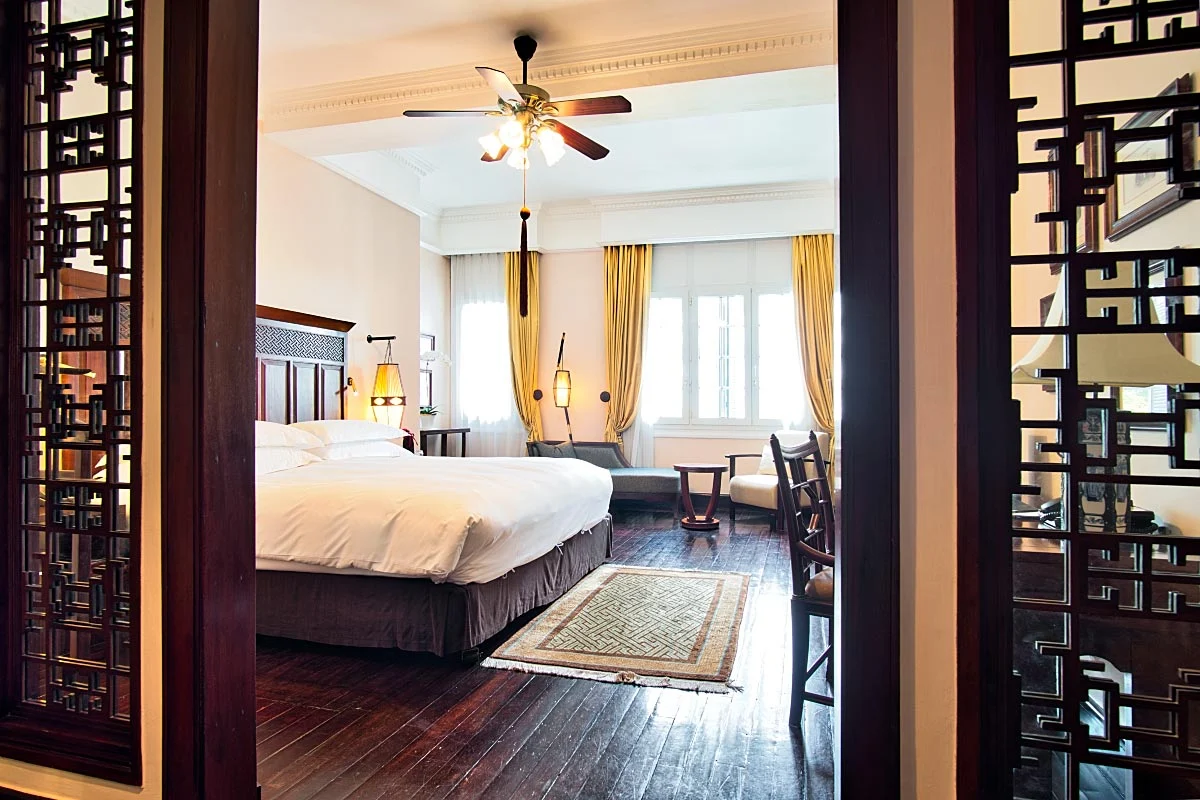
A primary source of misunderstanding is the oversimplification of room yield mechanics. In an urban hotel, room production is modular; a property with 150 identical king rooms allows for highly predictable housekeeping schedules, standardized MEP (Mechanical, Electrical, Plumbing) routing, and automated maintenance protocols. In an estate hotel conversion, however, room layout asymmetry is mandatory due to historic structural boundaries. When developers fail to normalize these differences through systemic planning, they commit one of the most damaging common estate hotel mistakes: they create a property where a housekeeping turn takes 45 minutes in Room 101 but 90 minutes in Room 102 due to non-standard fixtures and distant laundry access points.
Furthermore, oversimplification occurs when sponsors assume that a luxury nightly rate can infinitely absorb structural inefficiencies. A high Average Daily Rate (ADR) can mask inflated labor costs during high-season peaks, but it leaves the asset exposed during shoulder and low seasons when room revenue drops while fixed infrastructure maintenance costs remain flat. The failure to treat the physical estate as an independent utility network—one that requires continuous, proactive capitalization separate from room revenue—is a recurring theme among distressed properties.
Deep Contextual Background
The institutionalization of estate hotels began in the late 20th century as affluent travelers shifted away from standardized corporate luxury toward localized, authentic experiences. This shift transformed estates from private family burdens into commercial hospitality prospects. Early developments focused on minimal interventions, turning old bedrooms into guest quarters with minor cosmetic adjustments.
However, as international hospitality standards became increasingly rigorous, the gap between historic architecture and modern guest expectations widened. The introduction of complex HVAC requirements, advanced acoustic dampening, institutional fire-suppression systems, and universal accessibility mandates (such as the Americans with Disabilities Act) changed the conversion process from a decorative refresh into a massive structural engineering challenge.
In the current market, this evolution has hit a critical bottleneck. Developers are no longer just fighting for market share against other hotels; they are navigating a tightening regulatory environment governed by historical preservation groups and strict environmental zoning laws. This means that errors made during the acquisition and initial zoning phases have cumulative, compounding effects downstream. An estate purchased without an exhaustive audit of its sub-surface infrastructure or its preservation easements is structurally incapable of reaching financial stabilization, turning what should be a legacy asset into a continuous drain on capital.
Conceptual Frameworks and Mental Models
To safely manage the conversion and operation of an estate property, asset managers must apply mental models that evaluate the physical site as a dynamic, interconnected system.
-
The Core-to-Periphery Logistical Friction Model: This framework analyzes how capital and labor move from the primary service node (the main kitchen, laundry, or administrative core) to the exterior points of the estate (detached cottages, remote dining venues, wellness pavilions). If the distance or terrain between these points requires mechanized transit or specialized staging areas, the operational cost per guest key scales exponentially rather than linearly.
-
The Historic Structure Debt Theory: This model assumes that every unmodernized square meter of a legacy building contains hidden liability in the form of compromised structural timbers, outdated wiring, or degraded masonry. This “debt” must be aggressively cleared during the initial capital expenditure (CapEx) phase; deferring it to operational cash flow later is a structural error that triggers service interruptions.
-
The Revenue-to-Acreage Ratio (RAR): This metric evaluates the financial productivity of the land. Traditional hospitality focuses on Revenue Per Available Room (RevPAR). RAR, conversely, measures whether the non-room acreage (gardens, forests, equestrian facilities) is generating sufficient ancillary revenue to offset the significant landscaping, security, and tax burdens required to keep that acreage operational.
Key Categories and Operational Variations
Estate hotels vary significantly depending on their geographical setting, architectural heritage, and operational goals. Understanding these variations helps highlight the trade-offs built into each model.
| Estate Category | Primary Architectural Challenge | Supply Chain Vulnerability | Labor Dynamics |
| Historic Manor Conversion | Restrictive preservation easements; rigid structural masonry walls. | High dependence on specialized mainland/urban artisans. | High touch; requires specialized docents and old-world hospitality staff. |
| Agriturismo/Working Farm | Integrating commercial health codes with operational agriculture. | Hyper-local but seasonal; vulnerable to harvest volatility. | Dual-skilled labor required (hospitality combined with land stewardship). |
| Sprawling Wilderness Estate | Decentralized utilities; vast, open MEP distribution runs. | Remote location; extended delivery lead times for basic provisions. | High transport overhead; requires dedicated on-site maintenance crews. |
| Coastal/Island Outpost | High-salinity atmospheric corrosion; structural dampness. | Vulnerable to maritime freight disruptions and seasonal closures. | Seasonal retention challenges; high cost of providing staff housing. |
Realistic decision logic indicates that while a historic manor conversion offers the highest immediate brand equity and heritage appeal, it imposes the most inflexible operational constraints. A sponsor prioritizing long-term scale and flexible floor plans should favor a wilderness or rural agricultural estate model, where new construction can be disguised within a rustic theme, bypassing the structural bottlenecks inherent in historic building envelopes.
Detailed Real-World Scenarios
Scenario A: The Acoustic Dampening Failure
A developer converted an 18th-century stone mill into a 40-room luxury hotel, retaining the original timber floor joists to protect the historic aesthetic. However, the team omitted advanced acoustic isolation between floors to reduce upfront costs.
-
The Failure Mode: Upon opening, footsteps and plumbing noise from the upper levels traveled directly into the premium suites below.
-
The Downstream Effect: The property faced a wave of negative guest reviews, forcing management to issue room credits and discounts equal to 15% of monthly revenue.
-
The Resolution: The asset was forced into an unplanned mid-season shutdown to install sound-deadening dropped ceilings, costing three times the original budget due to the rushed mobilization of specialized historic preservation carpenters.
Scenario B: The Thermal Dynamics Blind Spot
An investor group acquired a sprawling mountain estate composed of a main lodge and 15 detached guest cabins. They installed a centralized commercial boiler system but failed to insulate the underground water loop lines properly, assuming the soil would provide adequate thermal protection.
-
The Failure Mode: During the first deep freeze, thermal loss along the uninsulated distribution runs caused hot water to arrive at the outermost cabins at a maximum temperature of 32°C (90°F).
-
The Downstream Effect: Guests in the premium cabins could not use the showers, leading to immediate checkout demands and structural damage from frozen pipes.
-
The Remediation: The resort had to buy individual high-draw electric water heaters for every cabin as a stopgap measure, which overloaded the estate’s electrical transformers and required a costly upgrade from the regional utility provider.
Scenario C: The Kitchen Flow Bottleneck
A boutique estate hotel featured a single historic kitchen located in the cellar of the main building, accessible only via a narrow, winding stone staircase. The developer expanded the property by adding a 200-seat wedding pavilion 150 meters away across an open lawn.
-
The Failure Mode: During the first wedding season, service staff could not move hot food from the cellar kitchen to the pavilion fast enough to maintain proper plating temperatures, violating basic health and luxury service standards.
-
The Resulting Complication: Plated items arrived cold, leading to partial refunds on major event contracts. Staff exhaustion and injury rates spiked due to the staircase bottleneck, causing a 40% turnover rate among food and beverage personnel over a 90-day period.
Planning, Cost, and Resource Dynamics
The capitalization of an estate development requires a clear distinction between standard construction costs and historical property premiums. The financial model must account for the reality that a legacy asset’s maintenance baseline is fundamentally unaligned with urban commercial real estate standards.
-
Direct Development Costs: Specialized structural remediation, historic masonry repointing, decentralized wastewater treatment plants, and custom-run MEP lines that bypass historic architectural features.
-
Indirect Operational Costs: Inflated property insurance premiums due to non-standard fire risks, ongoing landscape remediation, and the necessity of maintaining a highly paid, multi-disciplinary facility engineering team on-site 24/7.
-
The Contingency Coefficient: Traditional hospitality models operate with a 10% construction contingency. For an estate hotel conversion involving structures older than 75 years, the baseline contingency must be set between 25% and 35% to absorb the inevitable structural discoveries made during demolition.
| Expenditure Sector | Predictability Profile | Recommended Capital Reserve Strategy |
| MEP Retrofitting | Low (High variance due to hidden structural obstructions) | Dedicated, non-fungible CapEx carve-out established at acquisition. |
| Civil Infrastructure (Roads/Sewers) | Moderate (Bound by geotechnical surveying data) | Phase-gate disbursements tied to local municipal certification. |
| Historical Facade Preservation | Low (Highly dependent on regional artisan availability) | Multi-year retainer agreements with certified historic masonry firms. |
| Landscape/Arboricultural Upkeep | High (Driven by clear seasonal maintenance cycles) | Funded directly from ongoing operational cash flow as a fixed overhead item. |
Tools, Strategies, and Support Systems
To successfully navigate these complexities, owners must deploy specialized operational strategies rather than relying on standard hospitality toolkits.
-
3D LiDAR Spatial Mapping: Prior to any architectural drafting, the entire historic envelope must be scanned using terrestrial LiDAR. This produces a millimeter-accurate digital twin that identifies structural shifts, non-perpendicular walls, and hidden voids, preventing layout errors during construction.
-
Decentralized Smart Micro-Grids: Instead of running heavy, destructive conduits from a single power source through historic structures, modern estate assets rely on localized energy hubs combining solar arrays, battery storage, and high-efficiency heat pumps.
-
Industrial Preventive Maintenance Software (CMMS): Standard hotel maintenance software tracks broken bulbs and localized repairs. An estate asset requires an industrial-grade CMMS that maps tree health, wastewater flow rates, historic roof tile degradation, and subterranean pipe scaling.
-
The Operational Shadow Staging Method: Design structural service corridors completely separated from the guest view. If staff must transport laundry or waste through the primary guest zones due to a lack of dedicated service elevators or paths, the premium luxury illusion breaks down immediately.
-
Zoned Climate Automation: Use adaptive building management systems (BMS) that regulate temperature based on real-time room occupancy and ambient moisture levels. This approach balances guest comfort while protecting historic wooden paneling and frescoed plaster from dry rot and condensation.
Risk Landscape and Failure Modes
The risk profile of an estate hotel is highly sensitive to compounding operational pressures. When a failure occurs, it rarely stays confined to a single department; instead, it tends to ripple across the entire property.
-
The Infrastructure Cascading Failure: This is a major structural risk for remote properties. If the main estate well or water filtration loop breaks down, the property loses its guest facilities, kitchen functions, and fire suppression capabilities simultaneously. Without an on-site backup water reservoir, this triggers an immediate mandatory evacuation of the property, causing massive revenue losses and long-term brand damage.
-
The Labor Desert Dilemma: Many estate hotels are developed in rural areas for their natural beauty and seclusion. However, these regions often lack a local pool of highly trained luxury hospitality professionals. The property is forced to import talent, which requires building and maintaining dedicated staff housing complexes on-site, adding a non-revenue-generating asset to the balance sheet.
-
The Regulatory Freeze: This occurs when a developer begins an unauthorized modification to a historic structure without explicit sign-off from local preservation boards. The resulting “Stop Work” order can freeze construction for months, during which interest on carrying loans continues to compound, pushing the project toward insolvency.
Governance, Maintenance, and Long-Term Adaptation
Operating an estate hotel requires an asset management plan that treats the property as a changing, living piece of infrastructure.
-
Bi-Annual Infrastructure Audits: Every six months, the asset management team must conduct a comprehensive review of the property’s civil engineering systems, looking beyond standard hotel operations. This includes measuring wastewater saturation fields, inspecting structural tie-backs, checking retaining walls, and assessing the health of older trees near guest paths.
-
The 10-Year Lifecycle Replacement Trigger: Components in historic properties degrade at non-standard rates due to unique thermal expansion cycles and outdated base materials. Roofs, chimneys, and sub-surface drainage lines must be placed on an accelerated replacement schedule, independent of their apparent operational health.
-
The Layered Maintenance Checklist:
-
Structural: Check historic masonry joints for lime mortar degradation annually; inspect foundations for settlement changes after heavy rain seasons.
-
Operational: Audit room turn times across asymmetric layouts monthly to adjust staffing models based on actual operational data.
-
Environmental: Review water table consumption and energy micro-grid performance weekly to spot leaks or baseline efficiency losses early.
-
Measurement, Tracking, and Evaluation
Evaluating an estate hotel’s performance requires balancing traditional financial metrics with operational health indicators.
-
Leading Indicators: The ratio of preventive maintenance tasks completed on time versus reactive emergency repairs; the turnover rate among core engineering and facilities staff; and the weekly stabilization of moisture levels inside historic display rooms.
-
Lagging Indicators: Labor cost per occupied room (LCPOR) across asymmetric room classes; annual CapEx variance against the original acquisition underwriting; and maintenance-driven room downtime percentages during peak booking months.
-
Performance Ledger Examples: Owners should maintain a centralized “System Performance Ledger” that records operational realities with high precision. For instance, rather than logging a generic entry like “plumbing fixed,” the ledger must capture specific technical metrics:
Common Misconceptions and Oversimplifications
-
“A historic property guarantees pricing power.” While history adds marketing value, it does not compensate for functional failures. A guest paying $1,200 a night will not accept a lukewarm shower or spotty Wi-Fi simply because a historic figure once stayed in the room.
-
“Standard commercial hotel managers can run an estate.” Managing a standard resort is fundamentally different from running an estate asset. Estate operations require an individual who understands old-world construction, rural labor management, environmental zoning, and civil engineering alongside guest services.
-
“Deferred maintenance can be caught up during the off-season.” In a legacy stone or timber building, delaying a roof leak or a foundation issue by six months can cause permanent, irreversible damage to interior framing and historic finishes, inflating the ultimate repair bill tenfold.
-
“Zoning approvals are a formality if the community supports the project.” Rural and historic preservation groups are often highly protective. Community goodwill can evaporate the moment a developer proposes a large wedding pavilion, an expanded parking lot, or an increased wastewater processing footprint that threatens local water resources.
-
“Expanding room counts is the fastest way to profitability.” In an estate setting, adding rooms without updating the underlying core infrastructure (such as kitchens, laundry facilities, and utility loops) simply overloads the system, degrading the service quality for the entire property.
-
“The surrounding grounds look after themselves.” Expansive gardens, old forests, and historic water features require intensive, professional care. Treating landscaping as a minor cosmetic expense rather than a core infrastructure line item is a classic route to property decay.
Ethical and Contextual Considerations
The conversion of historic estates into luxury hotels carries significant responsibilities that extend far beyond the property lines. Developers are stepping into local histories and delicate rural economies. If a conversion project drives up local land values so quickly that it displaces the generational agricultural workforce, it undermines the very community fabric that gave the estate its authentic appeal.
Furthermore, structural planning must respect local environmental limits. A luxury estate hotel that uses significant amounts of water for manicured lawns and high-flow guest showers while the surrounding valley faces agricultural water restrictions creates a severe local conflict. Genuine luxury asset management requires a commitment to matching the property’s footprint with the local ecosystem, ensuring that the historical narrative is preserved responsibly rather than merely exploited for short-term returns.
Conclusion
Developing and operating a luxury estate hotel is an exercise in structural discipline and operational patience. To avoid the common estate hotel mistakes that frequently derail these high-potential properties, owners must move past the initial architectural romance and look closely at the underlying operational realities. Success requires a commitment to understanding old-world construction, investing heavily in modern utility infrastructure, and building a flexible operational model that can adapt to asymmetric layouts and remote locations.
When managed with rigorous financial foresight and true respect for the environment, an estate hotel stands as an irreplaceable, long-term asset capable of commanding premium market positioning for decades. However, if it is treated as a standard, modular hotel clone, the underlying structural costs will inevitably catch up with the project, reminding the sponsor that legacy real estate rewards diligent stewardship and punishes superficial development.