How to Plan Estate Hotel Parties on a Budget: Allocation Architecture
Hosting a premier social gathering within a historic or secluded estate hotel offers an unparalleled sense of architectural heritage. However, modern event management demands a highly rigorous approach to resource allocation. When organizing a large-scale gathering within an elite estate footprint, planners frequently encounter complex infrastructure charges. These unexpected operational expenses often surprise even experienced corporate accounts.
Managing an event budget within an estate-grade hotel requires a clear understanding of spatial logistics. Unlike standardized urban hotels with uniform ballroom layouts, an estate property introduces significant logistical friction. The event footprint often stretches across distinct indoor and outdoor zones. Consequently, each area presents unique structural constraints, variable power dynamics, and specialized labor requirements.
Real financial optimization in this space cannot be achieved through surface-level cost-cutting. Superficial reductions simply undermine the luxury experience that makes an estate venue desirable. Instead, true capital efficiency is achieved by mastering the structural logistics of the property itself. Planners must analyze vendor routing paths and exploit existing estate infrastructure systematically. This definitive guide establishes a clear framework for maximizing spatial resources while keeping your expenses fully optimized.
Understanding “how to plan estate hotel parties on a budget”

To implement a functional strategy on how to plan estate hotel parties on a budget, organizers must utilize a strict operational taxonomy. This framework separates visible, guest-facing design elements from heavy, background infrastructure costs. In the luxury events market, a comprehensive cost-containment strategy does not focus on superficial frugality. Instead, it relies on an asset-optimization approach. Therefore, the venue’s natural architecture, landscape features, and built-in amenities are systematically utilized to reduce outsourced equipment rentals.
Common misunderstandings occur when event planners apply standard commercial ballroom budgeting metrics to expansive rural or heritage estates. A typical urban hotel package includes a predictable set of built-in amenities. For instance, these packages generally provide house lighting arrays, standard audio-visual rigging points, and dedicated staging crews covered by a flat service fee. Conversely, an estate-grade venue operates on an independent asset-rationing model. Budget inflation is rarely driven by the core room rental fee itself. Rather, it stems from running temporary power lines to remote formal gardens or paying extended delivery fees to transport equipment down narrow historic driveways.
Evaluating these event structures requires a detailed look at their physical and contractual constraints. Standard venue comparisons rely heavily on basic square-footage charts and per-person catering averages. However, a historic estate featuring irregular room dimensions or load-bearing stone walls defies basic budgeting templates. The real value of an optimized planning framework lies in its ability to predict and minimize background operational costs before they appear on the final bill. Mapping these baseline parameters ensures that your gathering remains financially viable.
Deep Contextual Background
The economic models governing large-scale social gatherings at private estates have undergone major structural changes over the past century. During the Gilded Age, private country estates functioned as completely self-contained social compounds for concentrated industrial wealth. These properties relied on an abundance of low-cost domestic workers who managed property maintenance and event execution using traditional manual labor. The concept of an external event rental fee did not exist. Thus, the asset owner funded all gathering costs directly through a centralized private ledger.
By the mid-twentieth century, the widespread conversion of these massive family estates into country clubs or boutique hotels fundamentally altered the event-planning landscape. To offset rising property taxes, management companies introduced standardized event packages. These initial models bundled food, beverage, and space access into a single, comprehensive per-guest fee structure. However, these early packages often failed to account for the unique wear and tear that large crowds inflicted on historic building fabrics.
In the modern era, the estate event sector is defined by high production complexity, strict environmental zoning, and consolidated corporate management structures. Modern estate hotels frequently operate under multi-tiered corporate management agreements. Under these setups, global hospitality brands add high oversight surcharges alongside standard operational costs. This corporate layering has caused base event service fees to rise significantly. This consolidation has led modern event planners to look for ways to regain control over their budgets by using strategic space unbundling and localized vendor sourcing.
Conceptual Frameworks and Mental Models
Successfully optimizing an event budget across an expansive estate footprint requires specialized cognitive frameworks. Standard commercial venue budgeting models fail here because they do not account for the complex interactions between historical preservation limits and continuous luxury hospitality operations.
The Spatial Parasite Dynamic
This model evaluates the physical and logistical tension between an event’s production requirements and the existing infrastructure of a historic estate. The event’s temporary setups must operate like a non-destructive parasite within the historic host structure. Planners must balance the power and spatial demands of modern production equipment against the natural layout limits of historic banquet rooms. Consequently, this model helps organizers avoid the high costs of bringing in heavy external generators and sub-flooring.
The Material Contextual Substitution Matrix
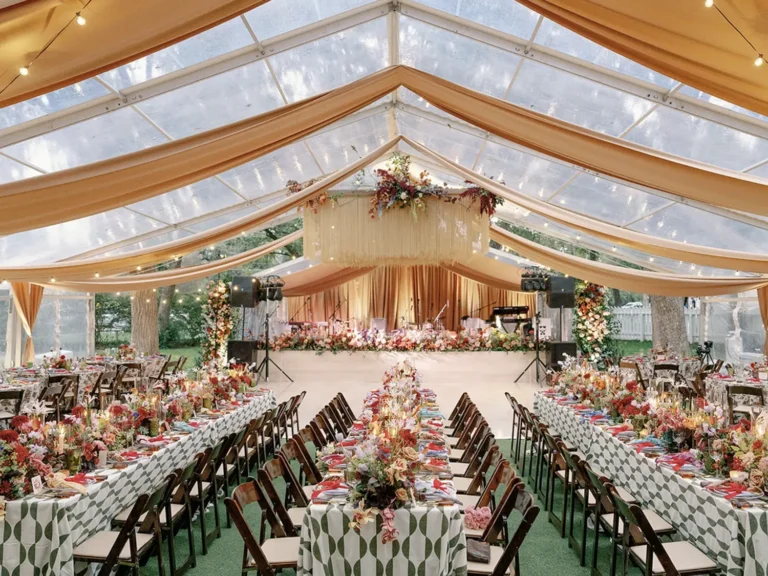
Historic estates provide a highly ornamented architectural background that carries inherent visual value. This mental model focuses on systematically replacing costly, temporary event decorations with the venue’s existing historic features. Organizers can utilize antique furniture, exposed stone masonry, and mature formal gardens. By aligning the event’s design theme directly with the property’s natural aesthetic, planners can eliminate the expense of outsourcing heavy drapery or complex floral installations.
The Logistics Isolation Index
Private estate assets face significant physical wear that scales directly with vendor travel distances and load-in complexity. This financial mental model balances the cost savings of choosing local suppliers against the high transportation fees charged by distant urban rental houses, calculated as follows:
Key Operational Categories and Spatial Cost Variations
The execution of a budget-conscious estate hotel event is organized across several distinct physical and financial categories. Each sector carries specific operational challenges, specialized contract terms, and distinct cost-reduction opportunities.
Food and Beverage Production Mechanics
This sector manages the sourcing, preparation, and service architecture of the event’s culinary program. Cost reduction requires moving away from traditional, multi-course plated dinners toward high-concept, localized food stations. These setups require fewer service staff and less specialized kitchen equipment. Therefore, the main operational challenge is maintaining a premium, farm-to-table dining experience while reducing the total labor hours needed for prep and service.
Spatial Licensing and Venue Unbundling
This category covers the legal and financial terms governing access to the estate’s indoor and outdoor zones. Cost mitigation depends on negotiating decentralized space licenses that secure underutilized parts of the property during off-peak hours. Planners can negotiate access to secondary lawns, historic carriage houses, or covered pavilions. These areas carry lower rental fees but still offer an authentic estate atmosphere.
Audio-Visual Production and Power Logistics
This field manages the event’s sound reinforcement, custom lighting design, and power distribution needs across different venue zones. Cost control relies on mapping the estate’s existing electrical circuits to avoid the expense of renting commercial diesel generators. By choosing low-draw LED lighting packages and compact, high-efficiency audio arrays, production teams can run entire events off the venue’s house power seamlessly.
Comprehensive Event Planning Sector Comparison
| Operational Event Sector | Core Technical Cost Driver | Contractual Flexibility | Cost Mitigation Strategy | Strategic Operational Risk |
| Food & Beverage | Service staff ratios and imported ingredients | High; Open to Menu Re-engineering | Transition to interactive, localized food stations | Risk of longer lines during high-volume guest rushes |
| Spatial Licensing | Full-estate exclusivity buyouts and premiums | Moderate; Driven by Occupancy | Secure underutilized secondary zones during off-peak | Shared guest access in public estate thoroughfares |
| Audio-Visual & Power | External diesel generator rentals and long runs | High; Driven by Equipment Specs | Map house circuits and deploy low-draw LED arrays | Overloading legacy electrical breakers in older wings |
| Decor & Florals | Transporting heavy furniture and backdrops | Extreme; Driven by Design Concept | Align design theme with existing architecture | Temporary drop in highly customized visual elements |
Decision Logic for Budget Allocation
When managing complex estate operations, planners use precise decision trees to handle competing budget requests. If an operational expense directly impacts guest safety, weather protection, or basic structural functionality, the selection logic immediately prioritizes it as a necessity. For example, a heavy-duty tent structure for a rain-prone lawn always takes precedence over minor aesthetic upgrades. This structured approach ensures that short-term design changes never compromise the core comfort, safety, or logistical success of the gathering.
Detailed Real-World Scenarios
Scenario 1: The Remote Lawn Power Collapse (Hudson Valley, NY)
An independent corporate retreat planner attempted to host a 150-guest dinner on a remote riverfront lawn at a historic estate hotel without mapping the property’s electrical distribution network.
-
Operational Constraints: The riverfront lawn was located 600 feet from the nearest permanent structure, featuring zero built-in power outlets and requiring long cable paths.
-
Decision Points: To save on the $2,500 cost of renting a silent diesel generator, the planner instructed the lighting vendor to daisy-chain standard consumer extension cords back to a single electrical panel. On the afternoon of the event, the catering team plugged in high-draw coffee urns and warming ovens on the same circuit loop.
-
Failure Modes & Second-Order Effects: The main breaker tripped repeatedly during the opening cocktail hour, plunging the guest area into darkness. The constant power drops damaged the catering team’s specialized equipment, forcing them to serve cold entrees. The operational breakdown resulted in a partial venue refund and a severe loss of future corporate event referrals.
Scenario 2: Sourcing Smart Local Floral Arrays (Charlottesville, VA)
A wedding coordinator successfully lowered production costs for a large-scale gathering by aligning the event’s design theme with the estate’s active agricultural calendar.
-
Operational Constraints: The property featured extensive formal rose gardens and mature orchard spaces that underwent seasonal pruning and harvesting shifts.
-
Decision Points: The client’s initial design requested importing premium white hydrangeas from overseas distributors during an off-peak month, carrying a steep $14,000 procurement fee. The coordinator chose to convince the client to pivot to a seasonal aesthetic that utilized the estate’s natural greenery and local wildflower farms instead.
-
Failure Modes & Second-Order Effects: The client accepted the seasonal design, cutting floral procurement costs by $65\%$. By using pruned olive branches and local wildflowers, the design blended naturally with the estate’s architecture. However, a failure to confirm the exact pruning schedule with the estate’s head gardener nearly resulted in a timing conflict where the best foliage was cleared away prematurely.
Scenario 3: Unbundling the Historic Carriage House (Sonoma Valley, CA)
An association event manager successfully reduced rental fees for an annual awards dinner by utilizing an underutilized secondary structure on a luxury vineyard property.
-
Operational Constraints: The main estate tasting room and central ballroom carried a steep $25,000 rental fee and required a mandatory two-night guestroom buyout.
-
Decision Points: The manager discovered a historic brick carriage house on the edge of the property that was currently used for barrel storage but featured a cleared central floor and stable house power. The manager successfully negotiated a custom, single-day space license for the carriage house while bypassing the main ballroom’s room-booking requirements entirely.
-
Failure Modes & Second-Order Effects: Management agreed to lease the carriage house for a flat $7,500 fee without room buyouts, saving the association substantial capital. However, because the carriage house lacked an adjacent service kitchen, the catering team was forced to set up an outdoor prep tent during a sudden windstorm. This minor disruption highlighted the need for secure, covered staging spaces for back-of-house staff.
Planning, Cost, and Resource Dynamics
Sustaining an effective strategy on how to plan estate hotel parties on a budget requires a detailed financial model. This model balances predictable vendor costs against hidden property logistics charges accurately. Standard hospitality budgeting templates often fail here because they do not account for the high costs of long-distance equipment transport and specialized labor in remote locations.
Direct, Indirect, and Opportunity Costs
Direct costs are easily identified on initial vendor quotes. These typically include venue space fees, per-head catering minimums, audio equipment rentals, and basic floral arrangements.
Indirect costs present a larger threat to the event’s bottom line. For instance, these include extended freight delivery fees charged by rental houses for navigating narrow estate roads, the cost of adding temporary structural flooring to protect wet lawns, and specialized venue monitor fees required by historic trusts.
Additionally, operators face an opportunity cost if they select a rigid event footprint. Restricting guest access to retail spaces or golf courses reduces potential secondary revenue streams during multi-day gatherings significantly.
Comprehensive Cost-Optimization Allocation Projections
| Event Production Center | Premium Buyout Tier ($) | Intermediate Unbundled Tier ($) | Optimized Structural Tier ($) |
| Venue Licensing & Access Fees | $20,000 – $45,000 | $10,000 – $22,000 | $5,000 – $12,000 |
| Food & Beverage Production | $150 – $350 / Guest | $90 – $145 / Guest | $55 – $85 / Guest |
| Audio-Visual & Power Logistics | $12,000 – $30,000 | $6,000 – $14,000 | $3,000 – $7,500 |
| Decor & Spatial Design | $15,000 – $40,000 | $7,500 – $18,000 | $2,500 – $6,000 |
| Staffing & Operational Overhead | $8,000 – $18,000 | $4,000 – $9,000 | $2,000 – $5,000 |
Tools, Strategies, and Support Systems
Successfully executing an estate event budget requires combining smart spatial analysis tools with flexible procurement strategies.
-
High-Resolution 3D Spatial Mapping Software: Digital modeling applications allow planners to map exact room dimensions and outdoor terrain, ensuring rental layouts fit perfectly without last-minute adjustments.
-
On-Site Electrical Panel Circuit Mapping: Detailed technical charts provided by the venue’s engineering team show the exact location and amperage capacity of every available breaker loop clearly.
-
Localized Vendor Procurement Networks: Direct directories of local farms and regional rental houses located within a 30-mile radius minimize long-distance shipping charges effectively.
-
Smart LED Production Lighting Packages: High-efficiency, battery-powered LED uplights and wash fixtures deliver rich color saturation while drawing minimal electrical current from house circuits.
-
Unbundled Multi-Zone Venue Licenses: Custom contract terms allow organizers to lease specific lawns or historic outbuildings for precise time windows, bypassing full-property fees entirely.
-
Mobile Modular Catering Tents: Covered, heavy-duty prep spaces set up immediately adjacent to outdoor event footprints cut down on service staff travel times significantly.
Risk Landscape and Failure Modes
The operational hazards of managing an estate-grade event are closely linked. A single miscalculation in infrastructure logistics can quickly trigger cascading utility, financial, and experiential crises across the property.
Mismapped Electrical Loads and Breaker Failures
When production teams fail to audit the estate’s electrical capacities, they often overload older wiring loops. Plugging high-draw lighting arrays and commercial kitchen gear into the same circuit creates immediate system instability. This oversight triggers sudden breaker failures during the event, cutting power to critical sound systems and food preparation lines. Fixing these failures requires hiring emergency on-site electricians or renting last-minute generators at high premium rates.
Historic Fabric Violations and Trust Penalties
Many elite estate hotels are governed by strict historic preservation easements or local conservation trusts. If an event setup damages a historic plaster wall, compacts the root system of a protected tree, or stains an antique limestone floor, the venue can levy significant financial penalties. These unexpected structural repair fees can easily wipe out any savings achieved across other parts of the event budget.
Localized Weather Shifts and Ground Saturation
Hosting events on unfloored outdoor lawns leaves the gathering highly vulnerable to sudden weather changes. A passing rainstorm can quickly transform a beautifully manicured lawn into a muddy wetland, causing heavy production equipment to sink. Addressing ground saturation without a backup indoor option requires ordering emergency sub-flooring, heavy-duty carpeting, and covered walkway tents at expensive, last-minute market rates.
Governance, Maintenance, and Long-Term Adaptation
To protect an event from unexpected operational charges and logistical bottlenecks, organizers must set up a formal property governance framework. This system ensures continuous budget oversight, accurate vendor tracking, and proactive cost control throughout the planning cycle.
Operational Review Cycles
-
Weekly Infrastructure Capacity Audits: Regular technical reviews match current production equipment specifications against the estate’s real power, water, and spatial limits accurately.
-
Monthly Procurement Ledger Re-Benchmarking: Detailed financial reviews track current vendor quotes against the initial budget plan to catch and correct cost increases early.
-
Pre-Event Spatial Layout Verifications: On-site walk-throughs with the facilities manager confirm equipment delivery paths and protect fragile historic zones effectively.
-
Post-Event Logistical Financial De-Briefings: Comprehensive cost assessments analyze final venue invoices against initial estimates to identify where labor overruns inflated costs.
Event Cost Control Implementation Checklist
To maintain operational integrity, properties must enforce a comprehensive asset adaptation protocol. This structured approach divides critical checks across distinct infrastructural baselines:
-
Spatial Engineering & Logistics:
-
Planners execute vendor delivery route audits to confirm large equipment trucks can safely navigate narrow historic gates.
-
Technical leads complete structural load weight verifications to ensure heavy stage setups do not crack historic stone terraces.
-
-
Power & Utility Management:
-
Production teams run electrical panel circuit allocations to separate high-draw kitchen tools from sensitive sound reinforcement lines.
-
Facilities staff complete backup battery power confirmations for all emergency perimeter lighting arrays across outdoor thoroughfares.
-
-
Catering & Procurement Metrics:
-
Kitchen leads execute localized seasonal menu cross-matching to maximize the use of affordable farm-to-table ingredients from nearby suppliers.
-
Event coordinators verify vendor insurance clearance certifications to protect the property’s historic fabric from accidental damage penalties.
-
Measurement, Tracking, and Evaluation
Evaluating the success of a budget-conscious estate event requires looking beyond simple final cost sheets. Management must track clear leading and lagging indicators to ensure that cost-containment measures never compromise guest comfort, production quality, or the venue’s physical assets.
Event Optimization Performance Indicators
| Evaluation Indicator Classification | Specific Measurement Metric | Target Performance Benchmark | Data Capture Methodology |
| Quantitative Financial | Infrastructure Cost-to-Rent Ratio | Under 25% of total venue spend | Comparing background utility and delivery fees against core space rental costs |
| Quantitative Operational | Vendor Delivery Pathway Precision | Zero delivery delays or blocks | Timing vehicle movement times along the estate’s primary access roads |
| Qualitative Guest Experience | Hospitality Flow Satisfaction Grade | Higher than 94% positive rating | Analyzing guest surveys regarding food service speed and spatial comfort |
| Qualitative Preservation | Structural Fabric Impact Score | Zero material damage or stains | Conducting detailed pre- and post-event walk-throughs with the venue’s historic trust monitor |
Practical Examples of Event Planning Documentation
To ensure clear communication and operational consistency across all vendor teams, the event management office must maintain three core foundational records:
The Infrastructure Distribution Map: A master spatial blueprint documenting the precise location of all available electrical panels, water hookups, load-in zones, and underground utility corridors across the estate grounds.
The Unbundled Procurement Registry: A verified financial log detailing the specific contract terms, line-item pricing boundaries, and competitive bidding histories for every independent supplier hired for the gathering.
The Operational Contingency Handbook: A certified emergency manual outlining the exact steps, backup space designations, and communication paths required if the property experiences sudden weather shifts or equipment drops.
Common Misconceptions and Oversimplifications
-
Myth: Memboking seluruh area hotel (full-estate buyout) adalah satu-satunya cara untuk menjamin privasi pesta. Correction: Full buyouts are often incredibly expensive. Excellent privacy can be achieved at a fraction of the cost by securing secluded, unbundled secondary zones and using natural landscape features like treelines to block public view.
-
Myth: Renting an outdoor lawn is always cheaper than booking an indoor historic ballroom. Correction: While raw lawn rental fees are often lower, building an outdoor venue from scratch frequently requires renting expensive temporary tents, sub-flooring, portable restrooms, and commercial generators. These background utility additions can easily double the cost of an indoor space.
-
Myth: Sering memangkas jumlah pramusaji (service staff) adalah cara tercepat untuk menghemat anggaran katering. Correction: Arbitrarily cutting service staff creates long food lines and slow table clearance. The efficient fix requires shifting from labor-heavy plated service to strategic food stations, which naturally reduce labor needs while keeping service smooth.
-
Myth: Bringing in a heavy urban rental vendor is always superior due to their large equipment volume. Correction: Urban rental houses often add massive long-distance freight charges and extended crew travel fees to navigate remote estate locations. Partnering with local boutique rental suppliers cuts shipping overhead and ensures team familiarity with the venue.
-
Myth: Older historic estates have unstable house electrical systems that can never support modern event production. Correction: While legacy wiring loops require careful management, most converted estate hotels feature modern sub-panels hidden within their historic frames. Mapping these circuits accurately allows production teams to run large LED lighting packages safely on house power.
-
Myth: Selecting a standard, pre-packaged hotel event bundle is always the most economical planning choice. Correction: Standard corporate bundles frequently include unitemized management markups, rigid vendor exclusivity terms, and unnecessary amenities. Unbundling the contract into separate, competitively bid agreements allows planners to target real savings.
Ethical, Practical, or Contextual Considerations
The execution of budget-conscious estate hotel events often creates complex socioeconomic dynamics within surrounding rural or historic communities. When an event organizer aggressively cuts costs by hiring out-of-town labor networks, they can distance the property from its host community. To balance financial savings with responsible local engagement, premier planners establish explicit community procurement guidelines. By sourcing floral greenery from local tree farms and booking regional independent musicians, the event secures competitive localized pricing while supporting the economy of the host region effectively.
From an environmental standpoint, managing a large gathering within a sensitive rural estate requires a careful balance between guest footprints and resource conservation. Running high-power audio setups and heavy delivery truck traffic can strain local facilities and compact fragile soils near historical plant life. Modern budget-conscious event programs address these challenges by building sustainable waste-reduction practices directly into their procurement layouts. Using battery-powered LED installations to cut generator emissions and setting up centralized bulk composting zones allows organizers to lower municipal cleanup fees while actively protecting the natural landscape.
Conclusion
Successfully organizing an institutional approach on how to plan estate hotel parties on a budget requires looking far beyond basic menu adjustments and superficial design cuts. These unique heritage properties represent a delicate balance of contract law, historic preservation constraints, and complex utility logistics. As modern event production costs continue to shift, the financial viability of large-scale gatherings will depend entirely on spatial unbundling, meticulous power mapping, and localized vendor partnerships. For independent planners and corporate directors alike, a commitment to rigorous infrastructure analysis ensures that every event remains visually spectacular, structurally safe, and financially optimized for the long term.